Treatment GuideJust DiagnosedSex & DatingAfrican AmericanStigmaAsk the HIV DocPrEP En EspañolNewsVoicesPrint IssueVideoOut 100
CONTACTCAREER OPPORTUNITIESADVERTISE WITH USPRIVACY POLICYPRIVACY PREFERENCESTERMS OF USELEGAL NOTICE
© 2026 Pride Publishing Inc.
All Rights reserved
All Rights reserved

By continuing to use our site, you agree to our Privacy Policy and Terms of Use.

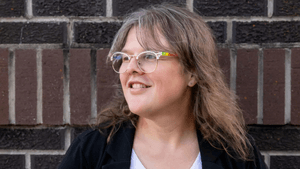
A spirited redhead, Cathy Olufs has the knowing face of a 43-year-old woman who's seen a few things in her day. Like the ins and outs of the California corrections system, which she came to know over a 12-year period of trouble that is thankfully long past. Once a chronic substance user, she never saw fit to go straight until she spent nine months in prison on a shoplifting charge. She says the lockup itself didn't necessarily open her eyes; she was just ready to stop using. And it was time she started taking care of the HIV infection she'd been ignoring for more than a year. Having observed that HIV-positive inmates didn't have an easy time with the other women, she kept her serostatus under wraps. After a transfer to a new facility, she attended an orientation where a lifer told her the prison had an HIV support group. In private she confessed her secret. The lifer took Olufs under her wing. Today, Olufs is the one extending a helping hand. She's been clean and sober for over a decade and hasn't seen the inside of a jail since 1996. Rather, she has not been required by the state to do so. As the education director for the Los Angeles'based Center for Health Justice, Olufs is responsible for coordinating an array of services that include advocating for and educating HIV-infected and high-risk inmates at locations in the L.A. County jail system, such as Men's Central Jail. Founded in 2000, the CHJ has an 11-member staff'about half of whom are seropositive'and a $600,000 budget that is derived from a variety of governmental, business, and foundation sources. 'Incarceration is the new frontier in many ways,' executive director Vincent Jones says of the center's mission. Life-Changing Opportunity The CHJ confronts that frontier head on, with its staffers working from within the correctional system to fight the epidemic among what Jones calls the 'textbook high-risk folks.' He says, 'They are a captive audience'literally. And they are often at a point where they are reflecting on their lives.' Olufs adds, 'Prison is such a public-health opportunity.' But prison is also an environment where high-risk behaviors abound. And high-risk behaviors naturally lead to high rates of HIV infection. According to a November 2006 report from the U.S. Department of Justice, 2.4% of women and 1.8% of men state prison inmates nationwide are HIV-positive. Those figures are roughly four to six times greater than the general population rate of about 0.4%. Of the approximately 20,000 people incarcerated in the Los Angeles County system at any given time, at least 300, or 1.5%, are HIV-positive'a low estimate since many infections are unidentified. On the prevention front, the CHJ runs a women's self-empowerment program, helping at-risk women take charge of their sexual and emotional health and to negotiate condom use with their partners. The center also targets the men inmates'both heterosexual and those who have sex with other men'teaching them the basics of HIV, about the importance of getting tested, and how to reduce their risk. The CHJ is also responsible for distributing condoms in county jails, where, unlike in California state prisons, they are not considered contraband. In addition, the organization runs a national hotline that provides referrals and treatment advice for inmates. And it conducts statewide policy advocacy work. Currently, CHJ leaders are supporting a pending HIV testing and care bill [see accompanying article]; and they are pushing for the reintroduction of a bill to provide condoms in California's state prisons, legislation that was vetoed by Gov. Arnold Schwarzenegger last year. The bulk of the center's on-site services for men are run through the K-11 unit, a specialized housing area for gay, bisexual, and transgender inmates. There the county sheriff's department runs its own one-of-a-kind Social Mentoring Academic and Rehabilitative Training reentry preparation program. Through the SMART program, inmates can complete course work toward their high school diploma or GED exam or take classes in subjects as diverse as proper dental care and Web site design. Senior deputy Randy Bell, a former teacher who cofounded the program on World AIDS Day in 1999, lauds the work of the CHJ: 'It has been remarkable in saving lives. It's great that our command staff and the sheriff have allowed the educators to come in and participate.' Tough Love Olufs says she and the other staffers offer tough love'informed by personal experience'to people who often have as much trouble taking care of themselves as she once did. 'Our staff will call people on their shit,' Olufs says, 'but at the same time, in a very warm and fuzzy way.' Through group classes on prescription drug adherence and the science of HIV as well as one-on-one work, Olufs tries to make a difference in the lives of inmates who come and go'often only to come back again. 'We try to get people to have some personal responsibility for themselves,' she says. 'Like, Value your life! This is your life! You know? Stop destroying it. We deal with people a lot on that kind of peer emotional level: Your life is valuable.' But ultimately, life outside prison walls is not as easily guided. 'The reality is,' Olufs explains, 'a lot of our people'when they're out on the streets'they are not dealing with the disease. They're high.' Hoping to prove that there are options other than drugs and jail time, Olufs works with her clients to create a life plan. Ambitions like having a job, a place to live, and a car are on the long-range list. But the most important details, she says, are contingency plans for the crucial 24 hours after release'when so much can go wrong. 'The minute a barrier came up, if I ran into some sort of challenge, I'd just say, 'Fuck it. I'm going to quit,' ' she recalls of her own experience. 'And I'd just go back and do what I knew.' Today, she knows she can make a difference. But not in everyone's life. Among her clients are people for whom HIV can be a minor chapter in a book filled with some unmanageable burdens: poverty, abuse, mental illness, family strife, and so on. 'They cannot ever really deal with their HIV stuff if they've got substance use in their lives,' she says. 'It is not going to happen. It is not going to work.'


From our Sponsors
Most Popular

The road to U=U: How science has been liberating HIV+ people for a decade
July 01 2026 12:05 PM

Newly diagnosed with HIV? Advocates share their best advice for seeking treatment
April 29 2026 3:32 PM

How to find an HIV-competent healthcare provider, according to advocates
May 19 2026 4:55 PM
Plus: Featured Video
Latest Stories
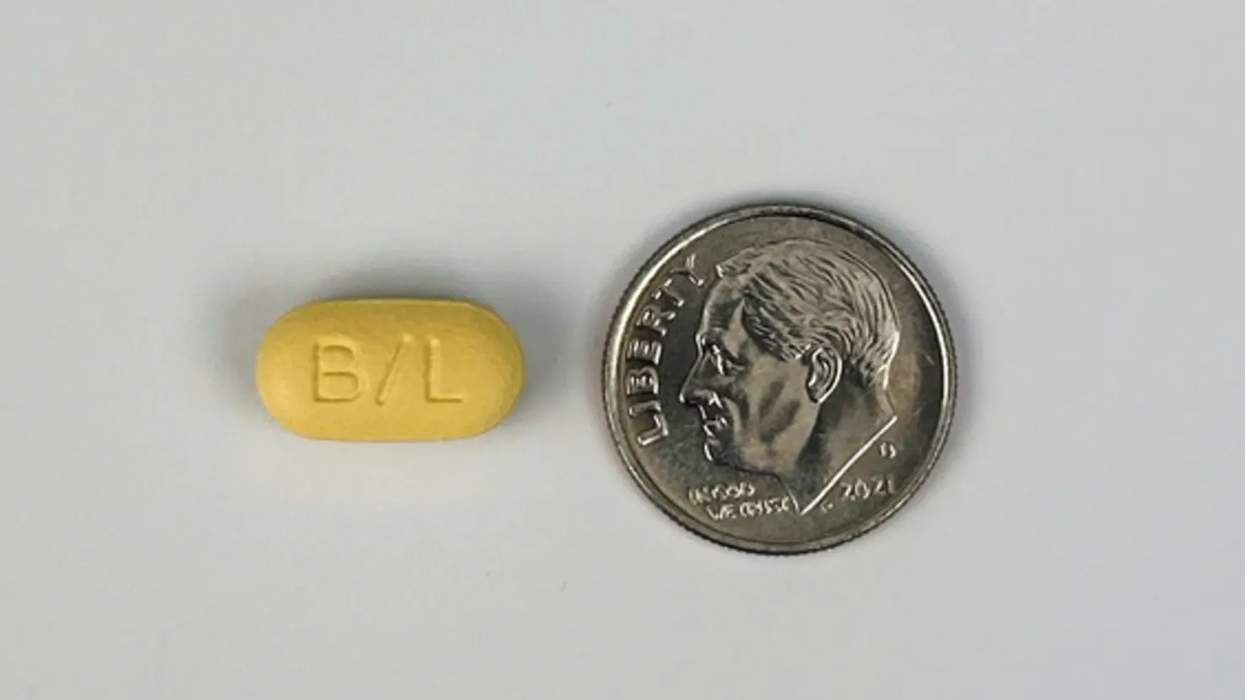
A New Once-Daily Pill to Treat HIV Just Got the FDA’s Green Light
August 31 2026 2:31 PM
Why affirming faith communities belong in the fight to end HIV
August 30 2026 8:00 AM

Navigating a new HIV diagnosis? Advocates say community is key
August 25 2026 3:33 PM

Gay Wine Weekend toasts 15 years of raising funds for HIV
August 25 2026 11:00 AM



A new HIV diagnosis doesn't have to be nerve-wracking. Advocates share their advice
July 30 2026 12:01 PM

Zero HIV Stigma Day: The epidemic we still choose to ignore
July 21 2026 7:00 AM

National HIV Prevention Day: Awareness is my superpower
July 17 2026 8:00 AM

Federal court clarifies that people with HIV can join the military again
June 03 2026 5:36 PM
Can a single infusion of immune cells suppress HIV for years?
May 11 2026 11:39 AM


National HIV advocacy group's CEO rejects claims of crisis
April 21 2026 5:14 PM



Beyond awareness: How youth leadership is reshaping the HIV response
April 10 2026 9:12 AM
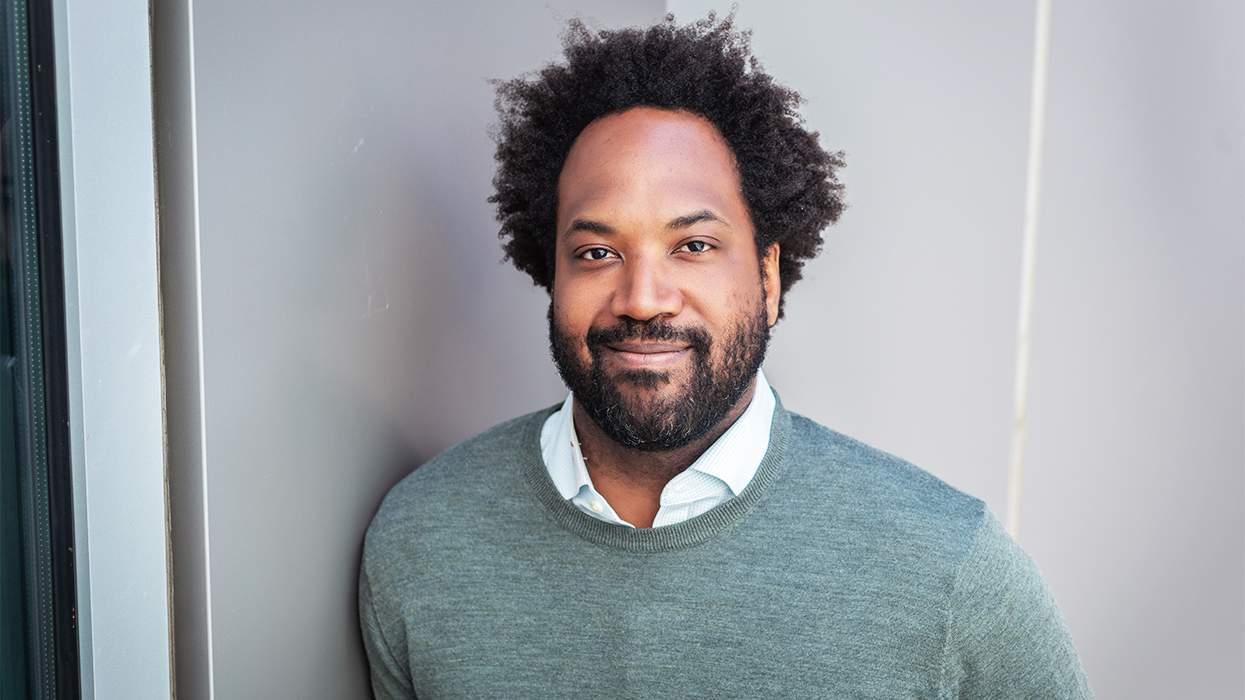
Saving public health? AIDS United's new CEO has a plan
March 23 2026 9:48 AM
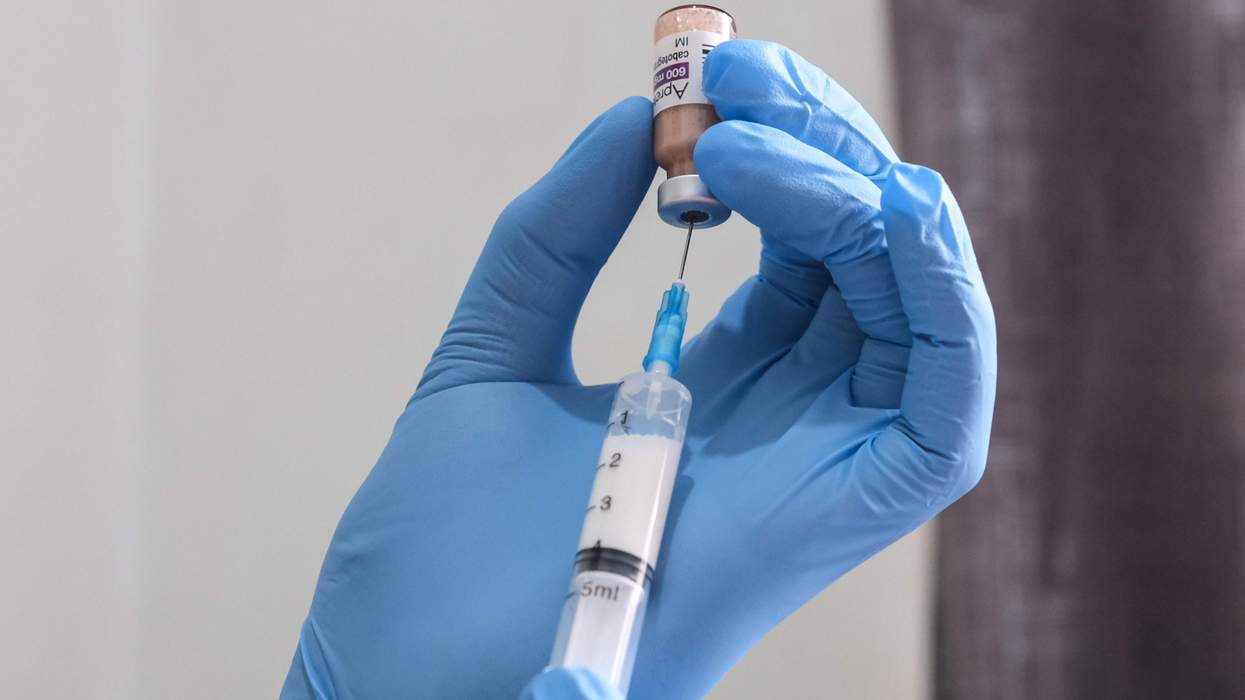
Struggling with daily HIV meds? Monthly shots may be the answer
March 20 2026 7:12 AM

Trending stories














Recommended Stories for You