February 28 marks an important annual event, “HIV is Not a Crime” day, designed to spread awareness around HIV criminalization. Though anyone living with HIV in this country can have their lives turned upside-down by outdated, discriminatory laws, Black Americans remain the most affected.
During the early days of the AIDS epidemic, public fear, ignorance, and widespread stigma around the virus incited the legal prosecution of people living with HIV. In 1987, the U.S. became the first country to introduce HIV-specific criminal laws, establishing penalties for “failing to disclose infection, for exposing others to the disease, and for transmitting the disease intentionally or unintentionally,” according to the American Academy of HIV Medicine.
Today, 32 states still criminalize people living with HIV, and 28 states have “harsh criminal penalty enhancements that elevate charges based on a person’s knowledge of their HIV status,” according to the latest data from the Center for HIV Law and Policy (CHLP).
Black Americans continue to have higher rates of HIV diagnoses, “while also facing greater barriers to prevention and treatment,” states CHLP’s website, citing a 2026 report from the Williams Institute entitled “HIV Criminalization and Black Americans.”
“At the same time, Black Americans are subjected to higher levels of police surveillance and more severe punishment within the criminal legal system,” the statement continues. “Taken together, these realities mean that Black people living with HIV face a heightened risk of criminalization based on both race and health status.”
In 64 percent of the states analyzed in the Williams Institute report, Black Americans were arrested at higher rates. For example, in California, Black people make up only 6 percent of the state population and 18 percent of people living with HIV, yet accounted for 39 percent of HIV-related arrests.
Draconian laws targeting people living with HIV also contradict modern science. Although HIV was a potentially deadly condition in the 1980s and early ’90s before the advent of today’s highly effective antiretroviral treatments, that is no longer the case. Today, HIV-positive people have similar life-expectancy rates as HIV-negative people.
“Undetectable equals untransmittable,” more popularly known as U=U, is the globally accepted scientific consensus that means once an HIV-positive person is on treatment and has achieved an undetectable viral load, they also have a zero chance of transmitting the virus to a sexual partner — even without use of a condom. But despite the reality of U=U, many state laws still punish people living with HIV for not disclosing their status to a partner, even when they are undetectable and have no chance of spreading the virus to others. In some cases, HIV-positive people have even been charged with attempted murder for nondisclosure.
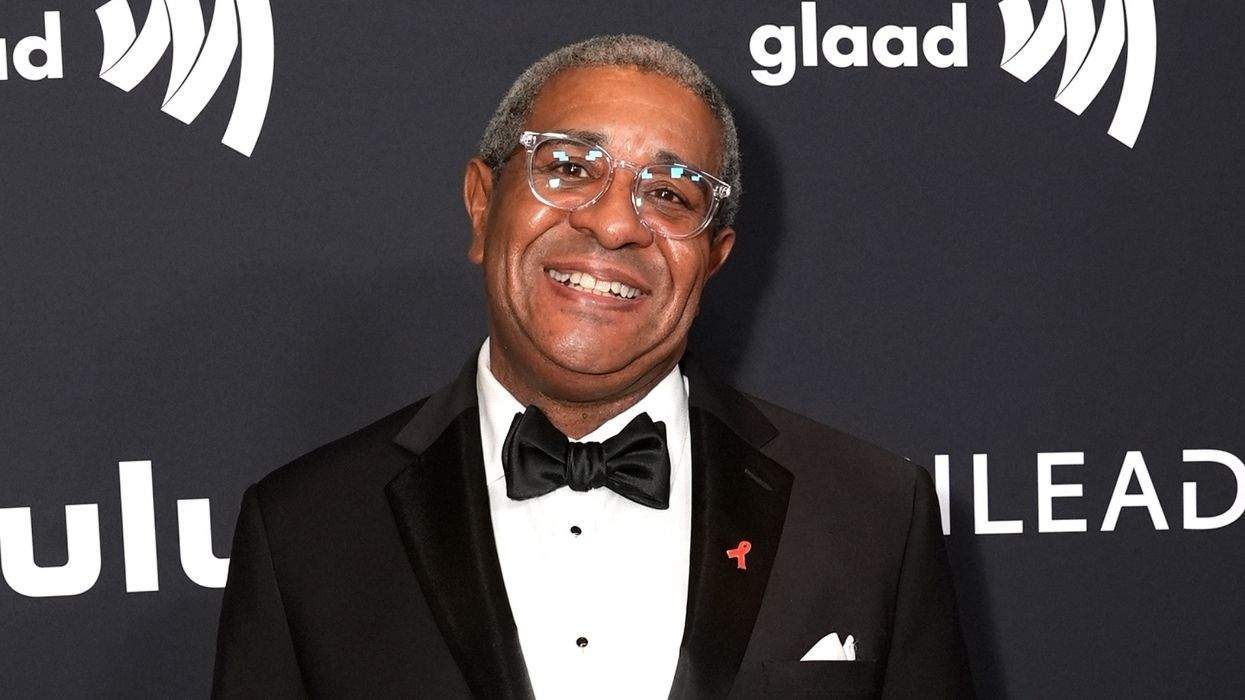
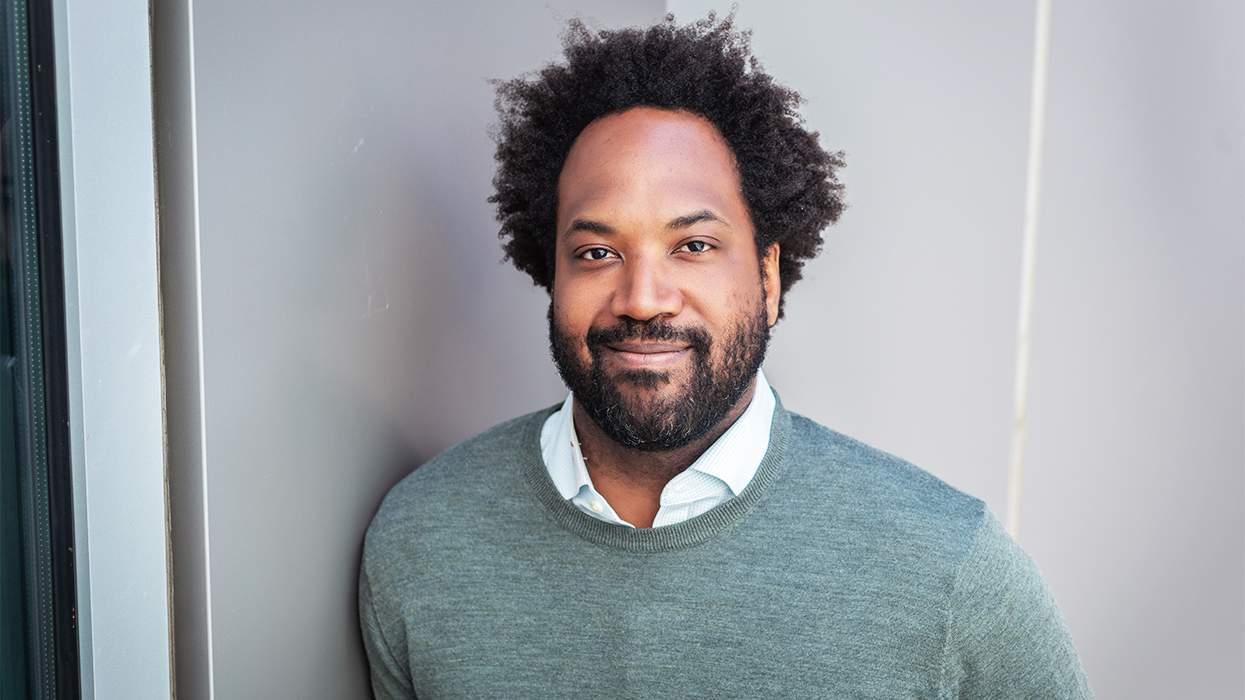
Recently, Robert Suttle, a nationally recognized HIV racial justice leader, and Carl Baloney Jr., vice president for public affairs and chief policy officer at AIDS United, had a candid discussion around race and HIV criminalization.
In 2009, Suttle was charged and convicted of a felony for failure to disclose his HIV status in Louisiana, based on a claim made by a former partner. He ended up serving a 6-month prison sentence.
“People living with HIV, we're demanding better, a better quality of life … because we're still dealing with structural racism, health care disparities, and political challenges that continue to affect our communities,” Suttle said during the conversation with Baloney.
Suttle added that in addition to dismantling racial inequities, education around HIV is key in ending unjust HIV criminalization. “They need to be educated, informed — including legislators, including other elected officials, and [those working in] public health.”
Watch the complete conversation here: