Treatment GuideJust DiagnosedSex & DatingAfrican AmericanStigmaAsk the HIV DocPrEP En EspañolNewsVoicesPrint IssueVideoOut 100
CONTACTCAREER OPPORTUNITIESADVERTISE WITH USPRIVACY POLICYPRIVACY PREFERENCESTERMS OF USELEGAL NOTICE
© 2026 Pride Publishing Inc.
All Rights reserved
All Rights reserved

By continuing to use our site, you agree to our Privacy Policy and Terms of Use.

John knew his facial wasting was more than he could bear when his uncle'unaware that John was HIV-positive'began asking if he was having health problems. 'I looked like I just stepped out of Auschwitz,' says 46-year-old John (not his real name), a Fort Lauderdale, Fla., pathologist. So beginning in 1998 he took his first step down the winding yellow brick road of cosmetic procedures, a path he hoped would take him back home to the face he once knew as his own. A flight attendant boyfriend got him free airfare to Canada, where he dropped $2,000 on an injection of a substance called Artecoll, which is unavailable in the United States [see accompanying article 'Buyer Beware']. With no noticeable improvement to his face, he flew to France five times between 2000 and 2002, paying $400 each time for injections of New-Fill, and was still unsatisfied. Finally, he wound up in a medical study of injectable liquid silicone that took him to Los Angeles on five separate occasions. Today, he describes his face as 80% to 90% better. But he is still holding out for 100%. John's story underscores the great leaps of faith that HIVers are taking to repair faces ravaged by lipoatrophy, a condition in which fat deposits under the skin waste away. With medical research suggesting not only that up to half of all HIV-positive patients will experience some loss of fat in their cheeks and temples but that the change is usually irreversible, a crop of injectable 'fillers' has brought hope to HIVers' hearts'and a strain to their wallets. But it also brings the risk of damage to their already fragile faces. Most of the fillers work'some reportedly achieve permanent results; others, temporary'on the principle of wound healing: A foreign object, often made of tiny beads in some kind of gel, is injected in numerous microdroplets into the face. The body recognizes the filler the same way it would, for example, a thorn and sends collagen to the area, thus plumping up the face. In August the U.S. Food and Drug Administration made New-Fill (now marketed as Sculptra) the first approved product for treating facial wasting in HIV patients. Several other fillers are available off-label (approved for other uses but not facial lipoatrophy so far) or in foreign countries. Acting Without Thinking Unfortunately, many people with lipoatrophy are so eager to reconstruct their faces that they forget to be diligent about finding a qualified physician to perform the procedure'a crucial decision, since technique is of the utmost importance in achieving safe, long-lasting, and attractive results. 'The bottom line is that people are not careful enough when choosing a cosmetic surgeon. They spend more time picking their hair color,' says Kelly Miller, a spokeswoman for the American Academy of Cosmetic Surgery. Sydney Coleman, MD, who pioneered a method for transferring fat into patients' faces, displays slides in his Manhattan office that depict sometimes horrifying visuals of how injectable fillers can go awry'problems attributable to poor injection technique, lack of proper sterility, products that have a high risk of side effects, or just bad luck. One woman developed unsightly bumps, called granulomas, all over her face after having silicone injections. In two separate cases'another woman and a man'physicians mistakenly injected fillers into the patients' facial arteries, leading the tissue in the woman's upper lip to die and literally rot off her face and causing blindness in the man. Coleman also describes how some fillers can potentially harden and not feel like natural skin. Not All Is Frightening Careful physicians are quick to point out that horror stories such as these are relatively rare. But they highlight an important need to do homework before opting for a cosmetic procedure, they note, especially to avoid adding any more complications to one's health. Furthermore, the fact remains that most of the fillers available today have been around for less than five years, and problems can arise even a decade down the line. 'Safety is not measured in hours'or even years,' Coleman says. 'It is measured in the entire lifetime of the patient.' Of course, as New Yorker Joel Farley, who is 50, says, HIVers like him 'have been on so many other drugs with unknown long-term side effects that it seems like it is a small step to do another thing with unknown long-term side effects.' Neil Sadick, MD, is a Manhattan cosmetic dermatologist who is the appointed physician instructor in New York for training other docs in the proper use of FDA-approved Sculptra. So far, he has trained half a dozen cosmetic surgeons from around the country in proper injection technique and says there are also training sessions at workshops given by the American Society of Dermatologic Surgery and the American Academy of Cosmetic Surgery. Sadick says that in order to cut down on the risks, a patient needs to find the proper doctor to do the facial work. This means someone who specializes in cosmetic procedures in the face and who has been well-trained in the procedure. 'You want to find someone who knows the aesthetics of the face, someone who can handle any possible complication that can occur'although it is rare with Sculptra,' Sadick says. 'You want to be sure that the injections are placed in the appropriate area to give a uniform facial contour.' With that said, if patients have at least a few thousand dollars to spend'since it is rare to find insurance coverage for such procedures'and are ready to take the plunge, HIV Plus has gathered tips [see accompanying articles 'Take Control' and 'Buyer Beware'] that will hopefully keep them not only from wasting that money on ineffective treatments but from causing even more facial trauma.


From our Sponsors
Most Popular

The road to U=U: How science has been liberating HIV+ people for a decade
July 01 2026 12:05 PM

Newly diagnosed with HIV? Advocates share their best advice for seeking treatment
April 29 2026 3:32 PM

How to find an HIV-competent healthcare provider, according to advocates
May 19 2026 4:55 PM
Plus: Featured Video
Latest Stories
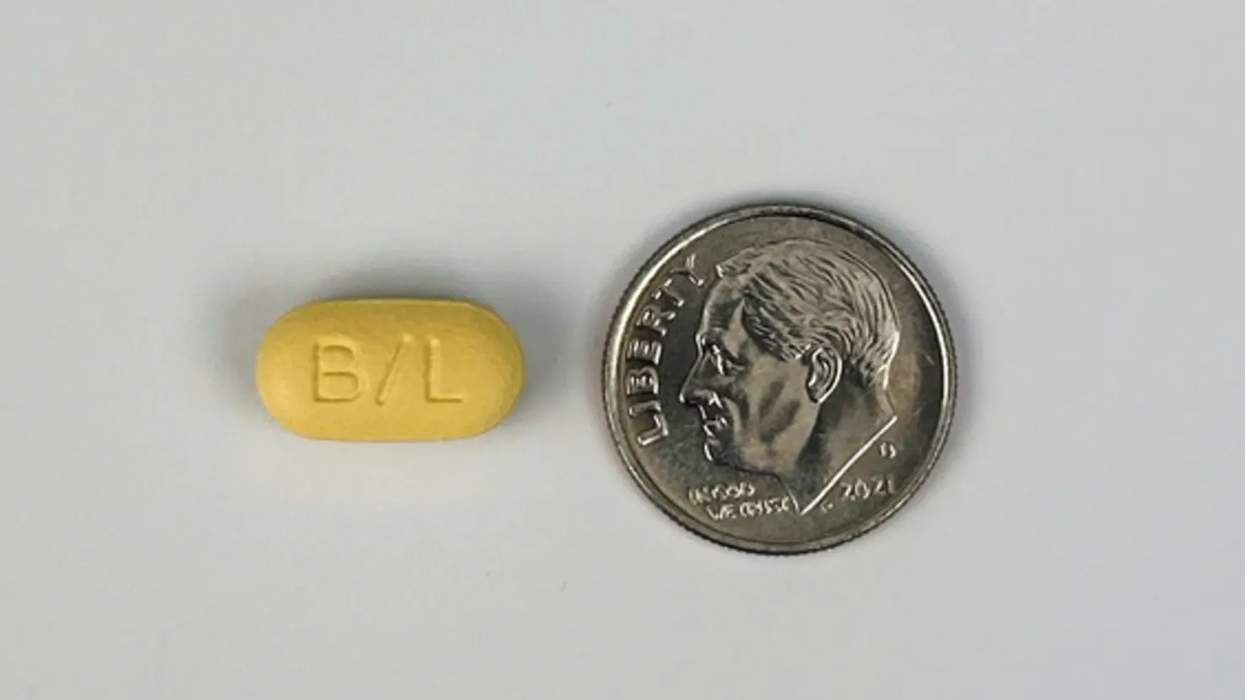
A New Once-Daily Pill to Treat HIV Just Got the FDA’s Green Light
August 31 2026 2:31 PM

Why affirming faith communities belong in the fight to end HIV
August 30 2026 8:00 AM

Navigating a new HIV diagnosis? Advocates say community is key
August 25 2026 3:33 PM

Gay Wine Weekend toasts 15 years of raising funds for HIV
August 25 2026 11:00 AM



A new HIV diagnosis doesn't have to be nerve-wracking. Advocates share their advice
July 30 2026 12:01 PM

Zero HIV Stigma Day: The epidemic we still choose to ignore
July 21 2026 7:00 AM

National HIV Prevention Day: Awareness is my superpower
July 17 2026 8:00 AM

Federal court clarifies that people with HIV can join the military again
June 03 2026 5:36 PM


Can a single infusion of immune cells suppress HIV for years?
May 11 2026 11:39 AM


National HIV advocacy group's CEO rejects claims of crisis
April 21 2026 5:14 PM



Beyond awareness: How youth leadership is reshaping the HIV response
April 10 2026 9:12 AM

Saving public health? AIDS United's new CEO has a plan
March 23 2026 9:48 AM
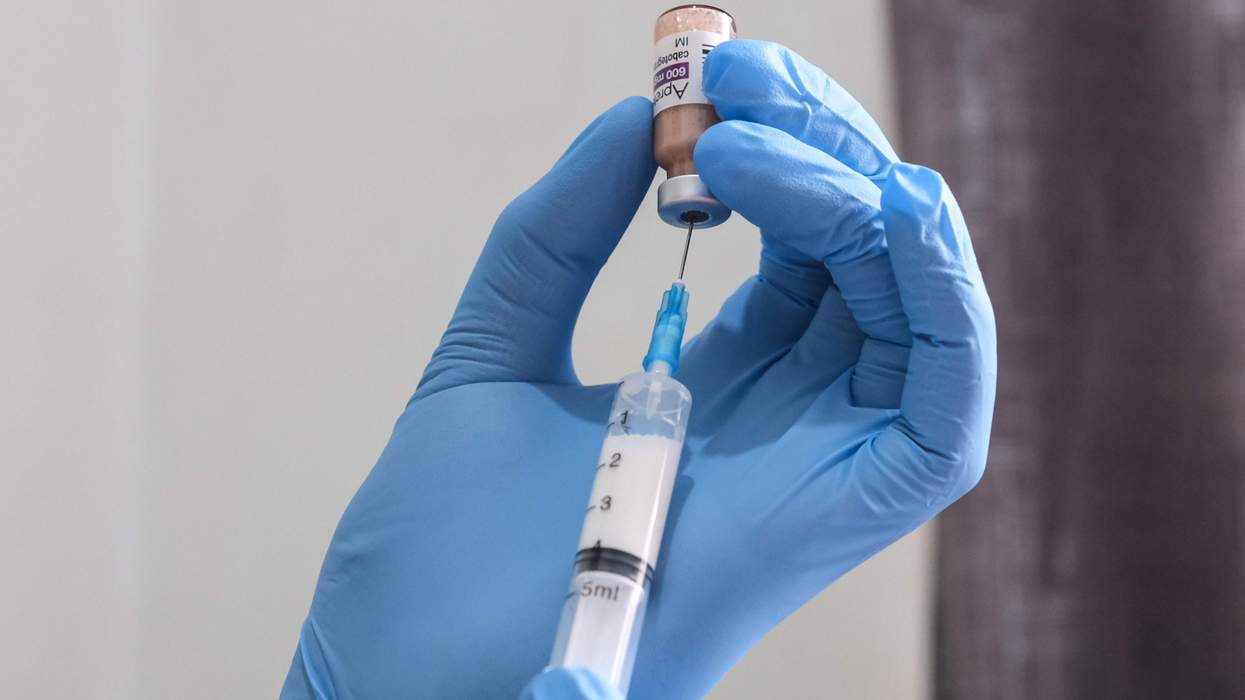
Struggling with daily HIV meds? Monthly shots may be the answer
March 20 2026 7:12 AM

Trending stories















Recommended Stories for You