The road to U=U: How science has been liberating HIV+ people for a decade
| 07/01/26

Goncalo Telo/Shutterstock
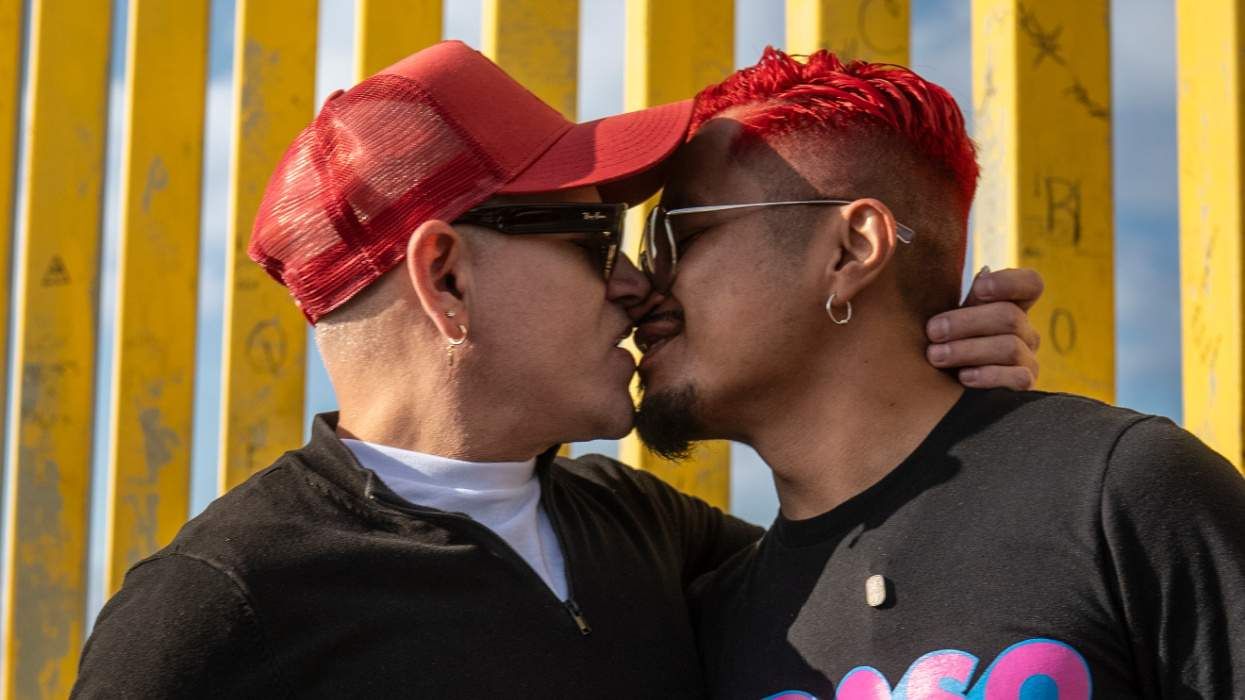
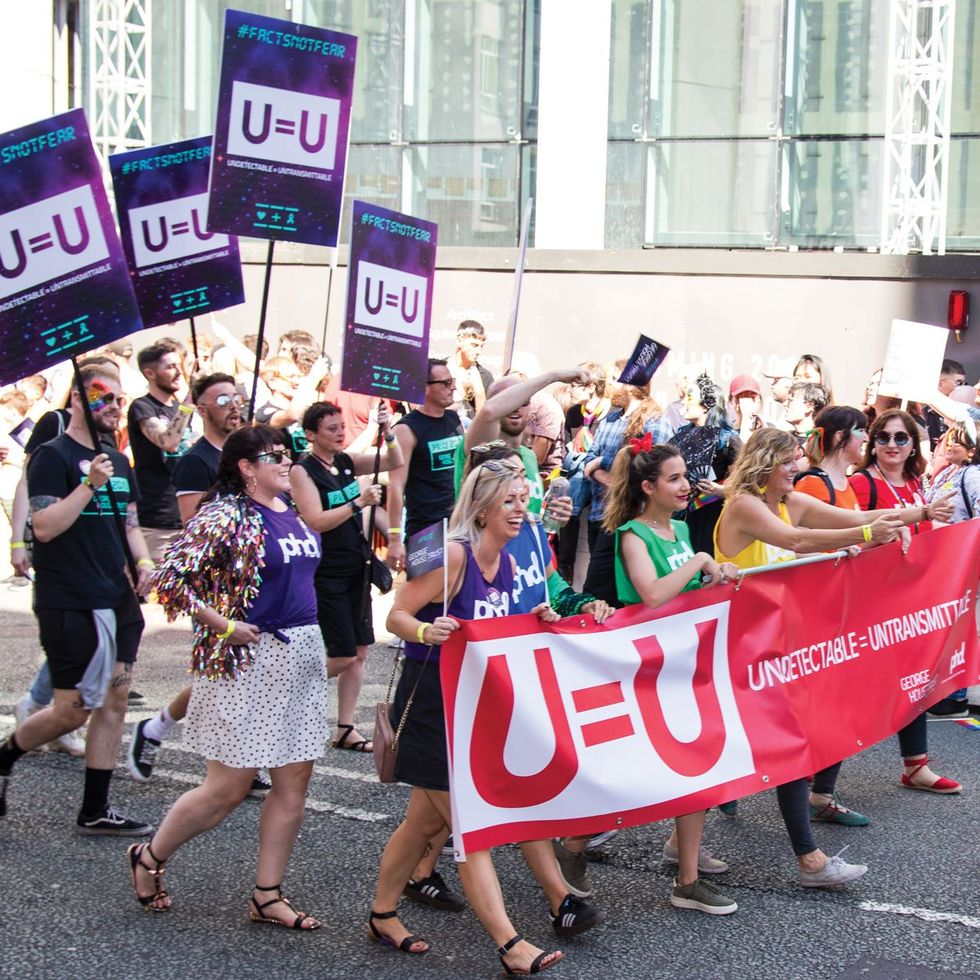
The U=U movement has been evolving alongside the HIV epidemic for decades, but the concept was officially adopted as a globally-accepted scientific consensus in 2016.
“Undetectable Equals Untransmittable,” more popularly known as U=U continues to change the lives of people living with HIV — and has also become one of our most vital tools in the fight to eliminate the virus. U=U simply means that an HIV-positive person who is on treatment and has achieved an undetectable viral load also has a zero chance of transmitting the virus to a sexual partner, even without the use of a condom.
Here’s a look back on how science and radical activism have worked together through the years to harness the power of U=U...
Catherine McGann/Getty Images
During the early days of the epidemic, the drugs used to treat HIV were largely ineffective and came with toxicity levels so high they often did more harm than good. Tragically, many diagnosed in this era ultimately did not survive — and many of those who did suffered from debilitating drug side effects and other complications, including PTSD (post-traumatic stress disorder) and other mental health issues. It was a dark and difficult time, and one we still bear the scars of.
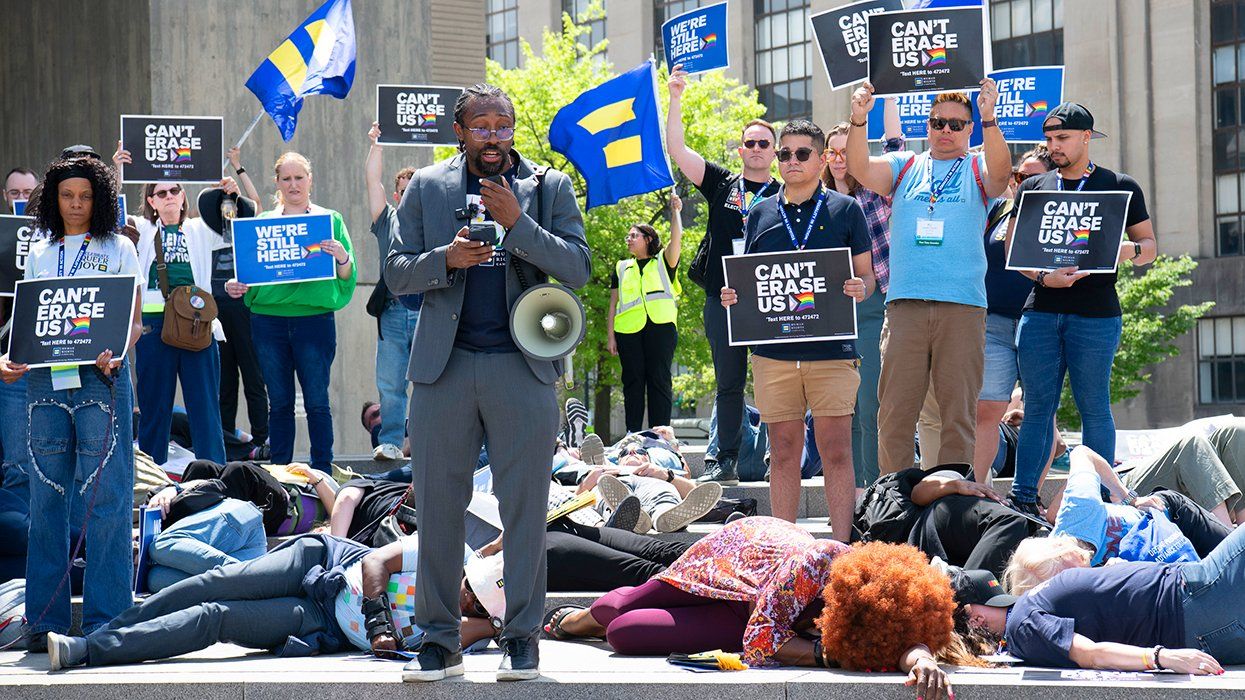
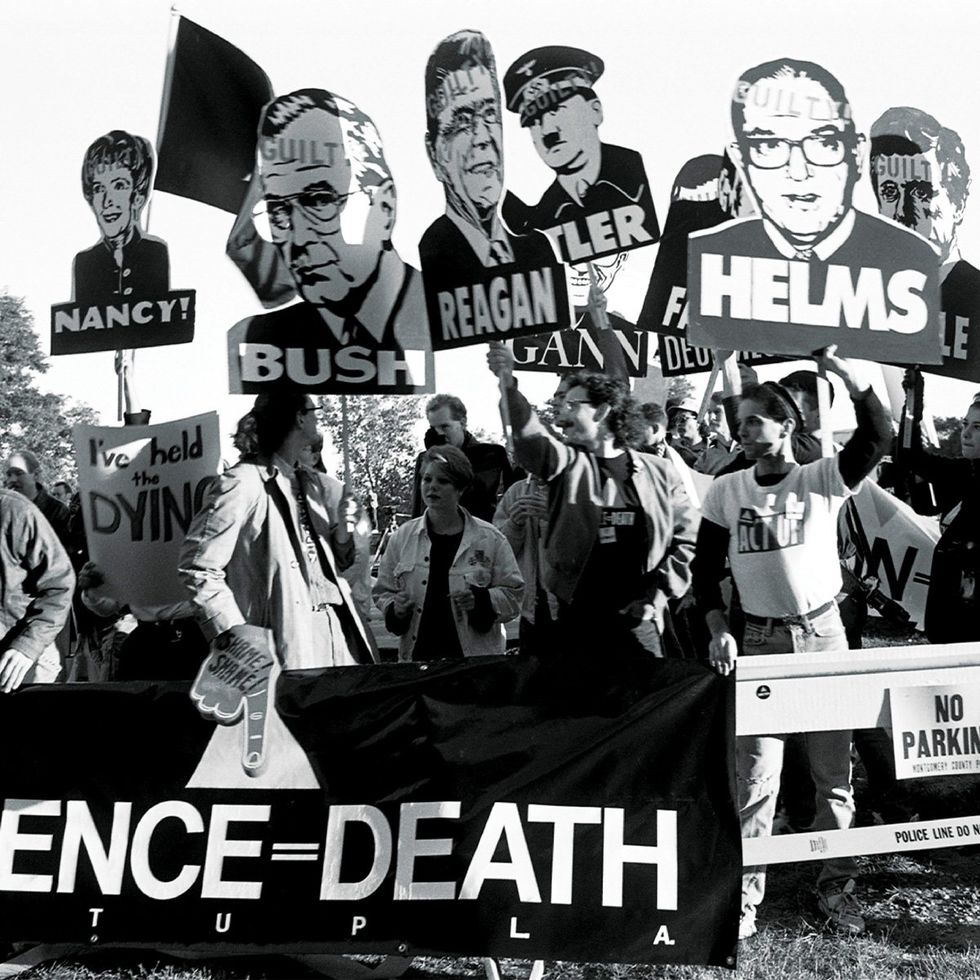
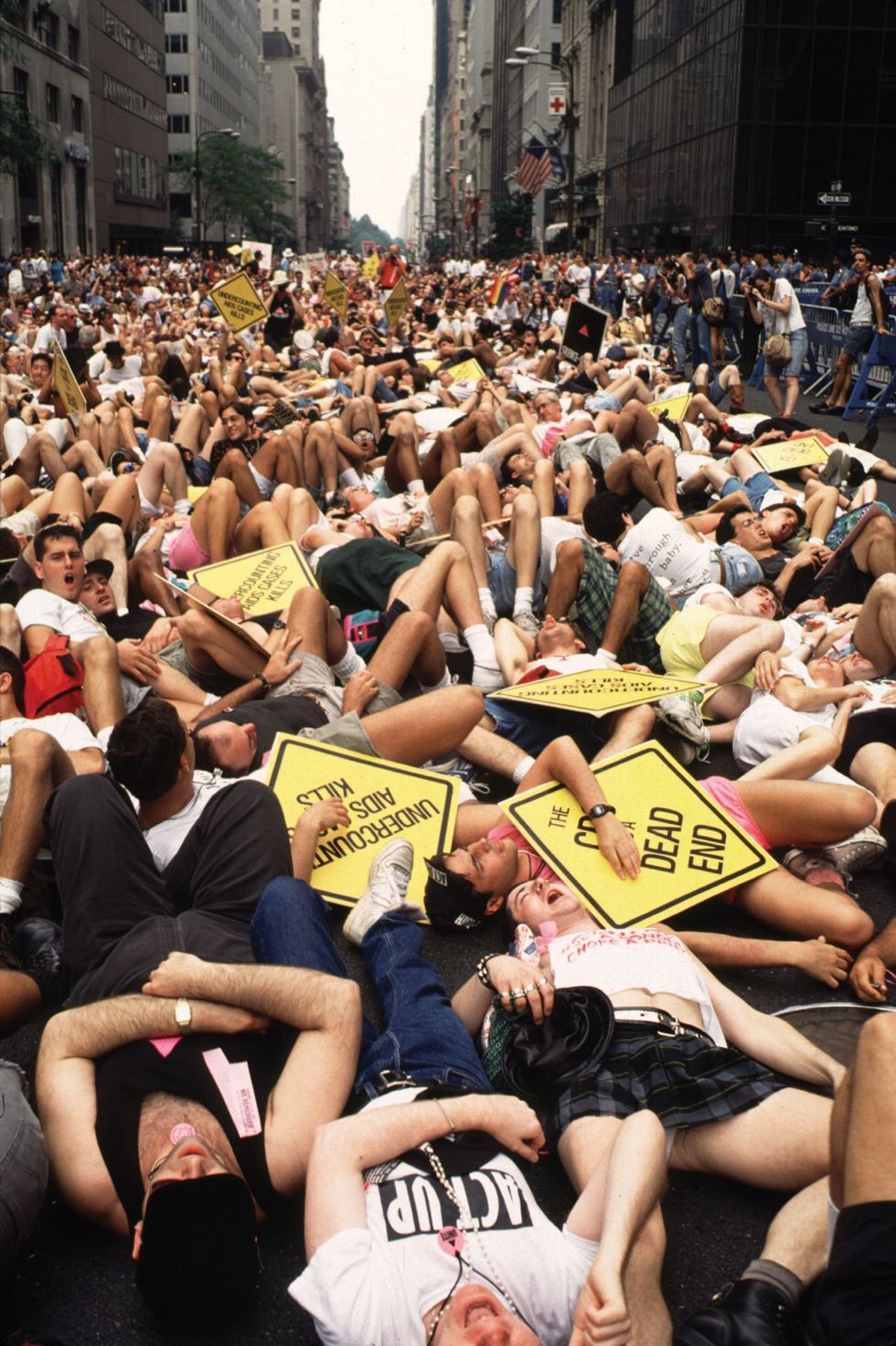
And even though tens of thousands were sick and dying from the virus, the U.S. government (at the time, led by the right-wing Reagan and Bush administrations) largely ignored the epidemic. This lack of federal response would end up birthing a powerful rise in activism with the formation of groups like ACT UP, which staged radical demonstrations and protests in order to bring national awareness to the issue of HIV and AIDS.
Andrew Holbrooke/Getty Images
By the mid-1990s, major scientific advancements in HIV treatment had changed everything. Antiretroviral treatment (ART) drugs were finally made available to the public and proved to be highly effective in stopping the spread of HIV within the body. Researchers also soon discovered that, once on treatment, people living with HIV could quickly achieve an "undetectable" viral load.
In 2006, Dr. Julio Montaner, a pioneering physician and HIV researcher, first introduced the concept of “Treatment as Prevention,” also known as TasP, highlighting the power of undetectability. The introduction of TasP marked the true beginnings of the U=U movement.
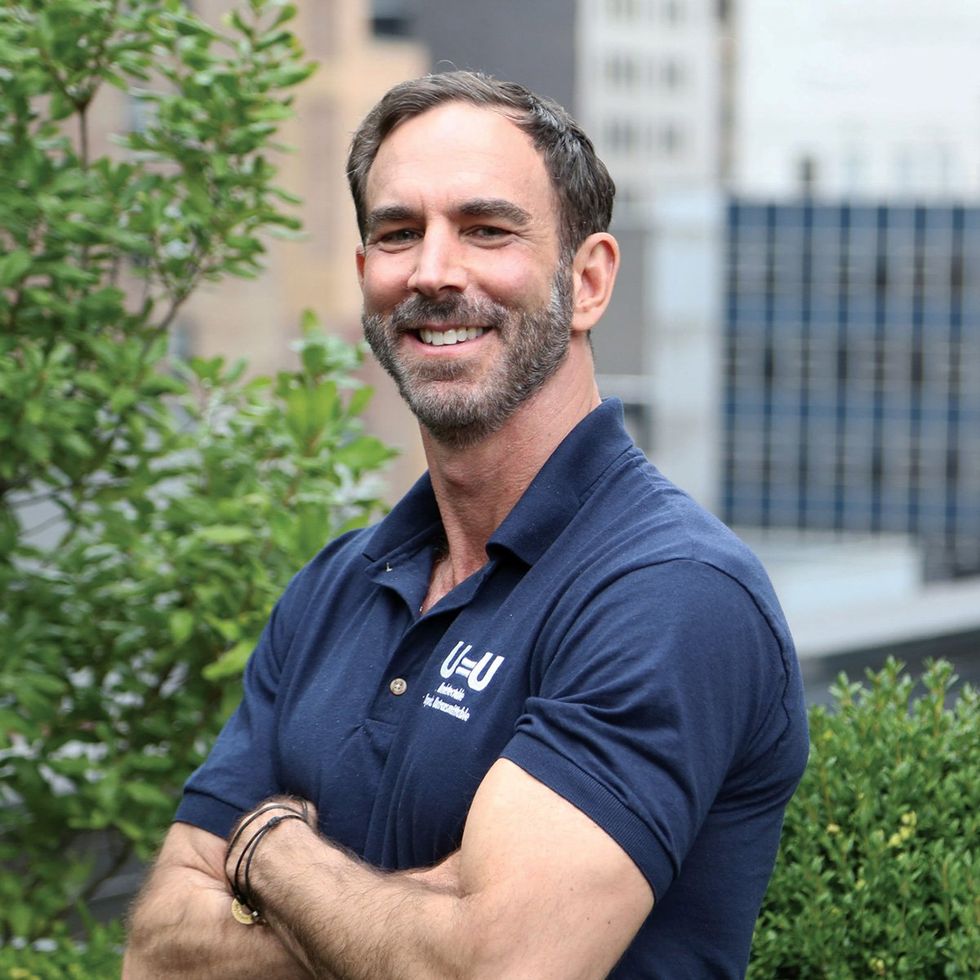
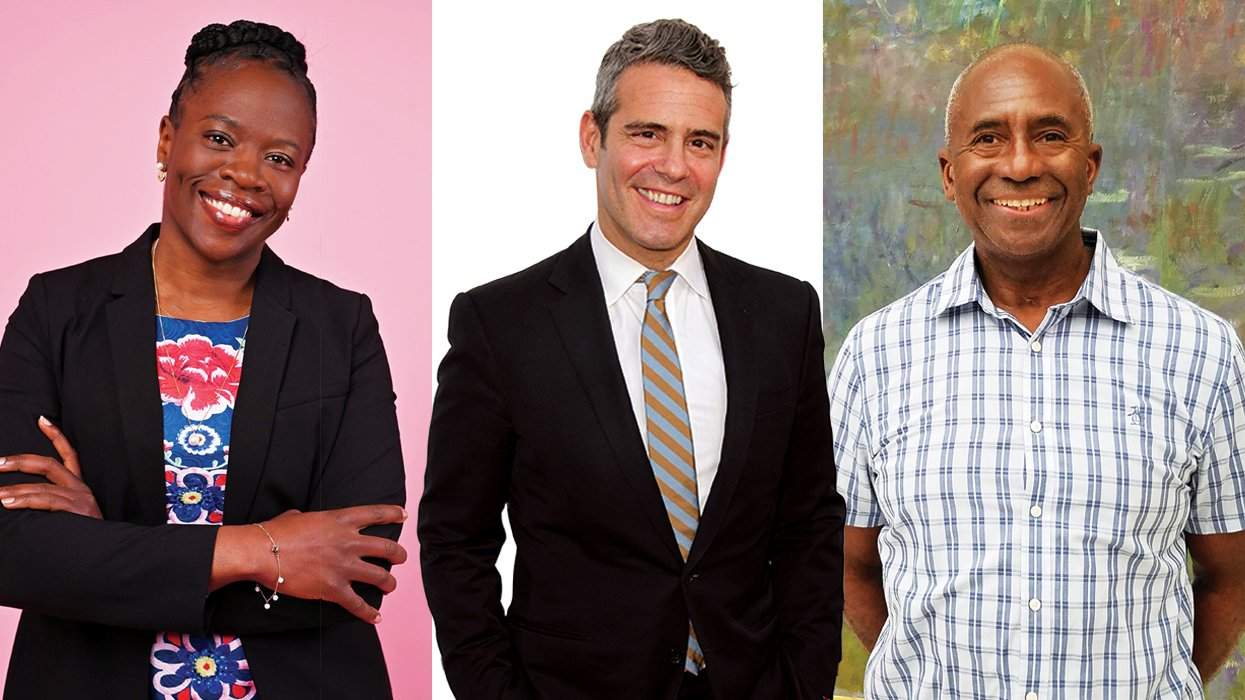
Bruce Richman, founder of Prevention Access Campaign
courtesy PAC
A group of HIV activists formed the Prevention Access Campaign (PAC) and first coined the term “U=U.”
“U=U is my calling,” Bruce Richman, a lawyer-turned-activist and founder of PAC, told Plus in 2020. “I knew that undetectable equals untransmittable, but millions of people were suffering because they were not being told, and people in positions of great influence to alleviate that suffering were sitting on their hands. I had no choice.”
PAC continues to grow as an organization and be one of the world’s most powerful voices in spreading the U=U message on a global scale.
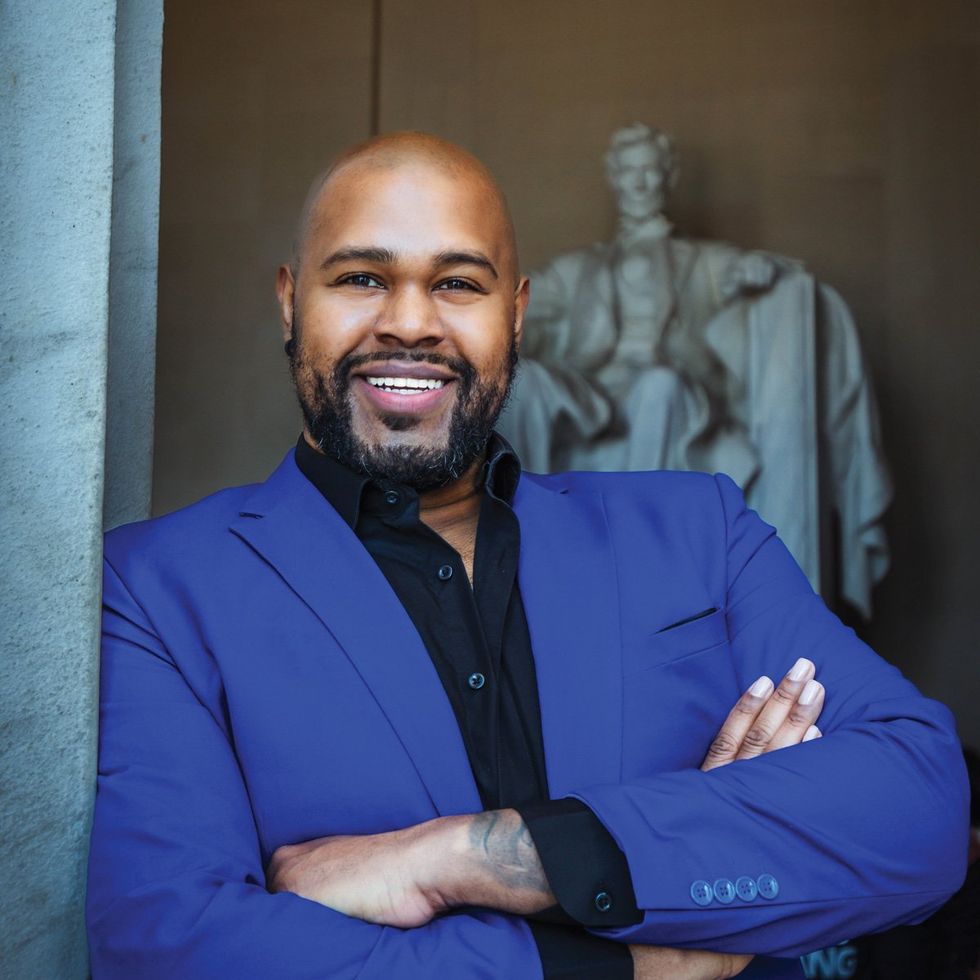
Heatlh advocate and public speaker Deondre Moore
Kollin Benson
Deondre Moore is a public health advocate living with HIV since the age of 19. His moving speech at the 2022 Presidential Advisory Council on HIV/AIDS (PACHA) meeting was instrumental in getting the White House to recognize U=U.
“With your leadership and support, we can measure, optimize, and scale up the impact U=U has on improving the health, wellbeing, and emotional wellness of people living with HIV,” Moore said at the PACHA meeting. “This will also prevent new transmissions. Embracing U=U is a win-win.”
In December of that year, the Biden-Harris administration announced its official endorsement of U=U to further its “efforts to end HIV/AIDS at home and abroad.”
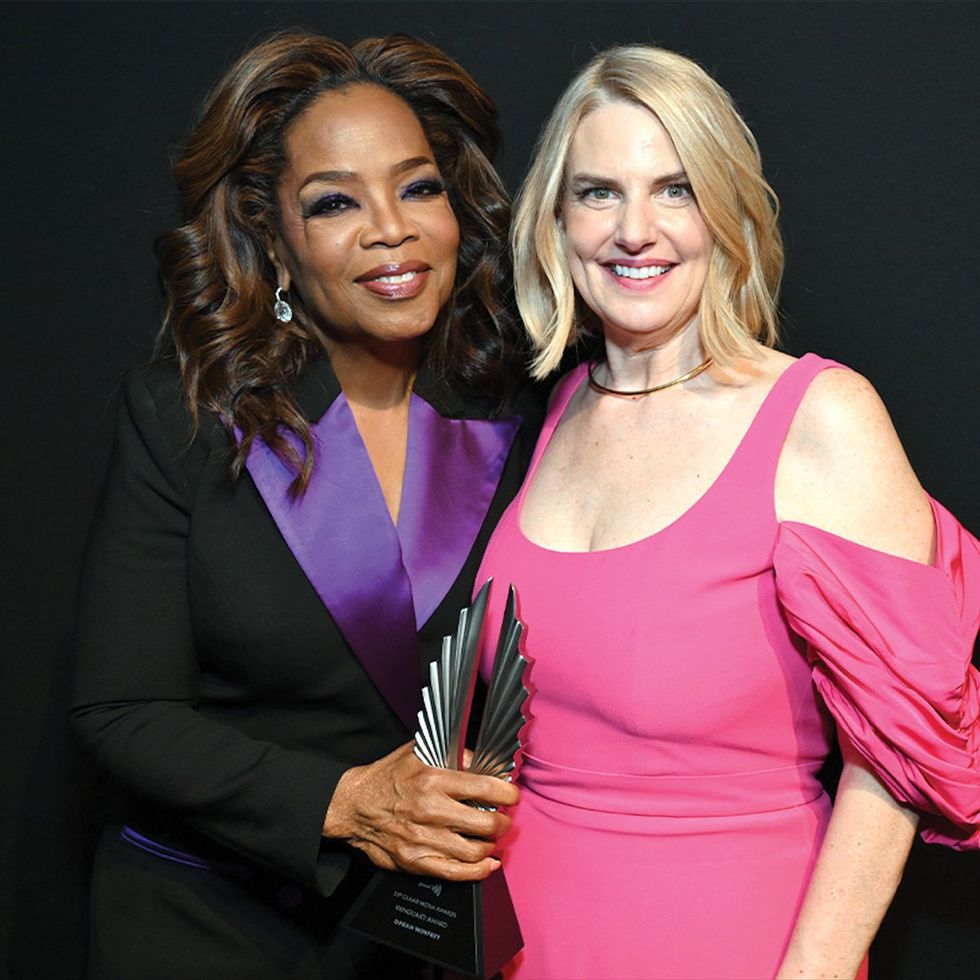
Oprah with GLAAD president Sarah Ellis, March 2024
Getty Images for GLAAD
At the GLAAD Awards ceremony in March in Beverly Hills, California, Oprah Winfrey was honored for her years of allyship to the LGBTQ+ community. While accepting the Vanguard Award, Winfrey spent much of her time onstage speaking about HIV and the AIDS crisis. She became emotional after sharing that her brother Lee died from HIV-related complications 35 years ago at age 29.
Winfrey also mentioned late activist Hydiea Broadbent, who the media icon interviewed when Broadbent was 11 years old, noting she “used her life empowering others and she showed us that people living with HIV today, when on effective treatment, can live healthy lives and do not transmit HIV.”
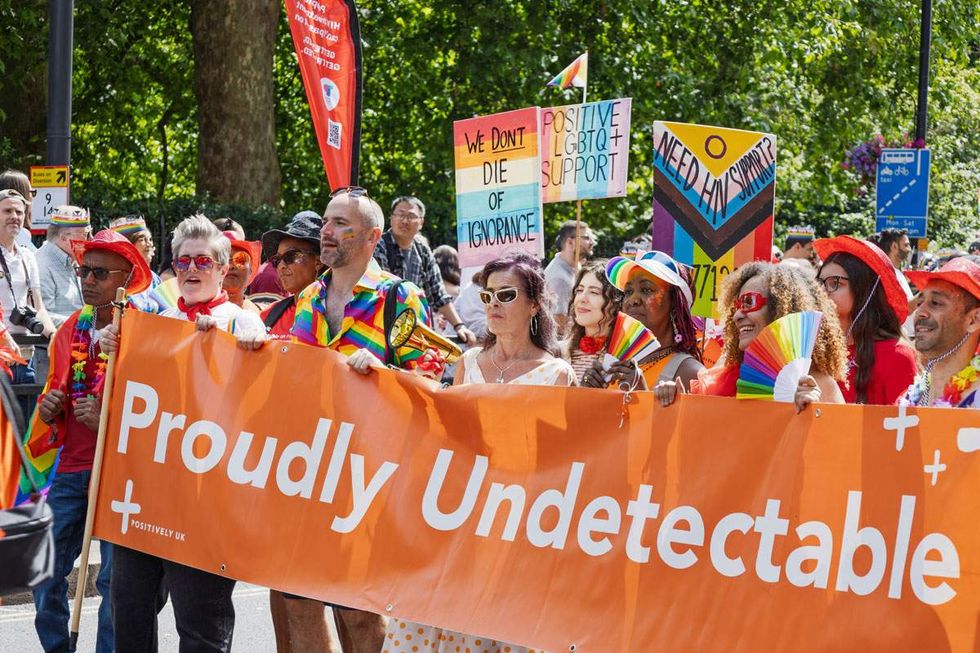
“Over the past decade, the U=U movement has had profound global impact by revolutionizing what it means to live and love with HIV and accelerating progress toward ending the epidemic,” Richman recently wrote in an email to Positively Aware. “It has transformed public understanding and personal lives by reducing fear, stigma and misinformation, reshaping clinical practice, reforming discriminatory laws and policies and offering millions of people living with HIV a new sense of freedom from the fear of transmission.”
However, Richman says we still have a ways to go, noting that many from the most at-risk communities still dont know about (or believe in the science behind) U=U.
“U=U’s impact has been uneven,” Richman continued. “It has not fully reached communities where there is a lack of bold leadership and a persistent devaluing of the lives of people living with HIV, especially those already marginalized by health systems. This gap exists because stigma, inequity and chronic underinvestment in public health continue to shape who benefits most from scientific progress. There is also still limited understanding of U=U’s value beyond individual health, including its broader social, economic, public health and prevention importance. And this is true on every continent. Until both the personal and public health power of U=U are fully understood and embraced, its promise will remain only partially fulfilled.”