Treatment GuideJust DiagnosedSex & DatingAfrican AmericanStigmaAsk the HIV DocPrEP En EspañolNewsVoicesPrint IssueVideoOut 100
CONTACTCAREER OPPORTUNITIESADVERTISE WITH USPRIVACY POLICYPRIVACY PREFERENCESTERMS OF USELEGAL NOTICE
© 2026 Pride Publishing Inc.
All Rights reserved
All Rights reserved

By continuing to use our site, you agree to our Privacy Policy and Terms of Use.

'Let's not set it up to fail; let's set it up to work,' Basia Mosinski tells the women in the video art therapy group she leads. As a counselor specializing in art therapy, Mosinski is determined to highlight even the smallest examples of personal success. Anything to pose a contrast to the discouraging experiences her clients have had in their personal lives. Something of a brunet dead ringer for Diane Sawyer, Mosinski has both the newscaster's good looks and her soothing, milk-and-honey voice. She seems to have an innate knack for gently coaxing women in her program into making productive decisions. 'She has the patience of a saint,' says 60-year-old Chardelle Imani Lassiter, one of the group's participants. The video art therapy program--called Women With Cameras--was conceived by Mosinski as a creative support group for women with HIV who are struggling with mental health challenges. Thanks to a grant from the Medical and Health Research Association of New York City, the five women currently in the program are provided with both individual psychotherapy and the resources to create a 20-minute video on a topic of their choice. Each woman is in the process of shooting raw footage with a mini digital video camera. Eventually they will learn to use editing software to produce a final product. Women With Cameras meets at Housing Works, an AIDS service organization that caters to the needs of indigent New Yorkers. The agency offers assistance with health services, housing, employment, and drug treatment. For this cross section of HIVers, the virus is but one amid a constellation of challenges that include poverty, drug abuse, and domestic abuse. 'What we found is that a lot of the [clients] are suffering from post-traumatic stress, and a lot of the issues that they're working through are trauma-related,' says Nunzio Signorella, director of mental health services at Housing Works. 'These are memories that they have of traumatic events that cause a level of dysfunction.' Many participants center the content of their videos around challenges they've faced. Two of the group's members are tackling domestic violence. Lassiter calls her video Invisible Women, and it mingles ideas about gender inequity, women's mental health issues, and what she calls 'head rag generals': the underappreciated 'mammy' caregivers of old. With a spitfire cynicism and wit, Lassiter sums it up with a quip: 'Being black--it's a bitch. It's a real trip.' As the women each methodically make their way toward a finished product, Mosinski helps them stay on track and maintain realistic expectations. While some group members like Lassiter, a retired professional and an eloquent poet, have strong life-management skills, many of the women struggle with organizational tasks such as keeping appointments or maintaining a log of the footage they've shot. With gentle suggestions on topics ranging from time management to camera operation, Mosinski works toward empowering the women by proving that organizational skills are within their reach. In turn, the creative process can open doors within the minds of the women. 'A lot of really difficult material comes up,' Mosinski says, but simply documenting the past is not the goal. 'What often happens with people who've had trauma in their lives is they retraumatize themselves by telling the story over and over and over again without any transformation happening. So the beauty of this kind of a program is there are limitations even on how much of the story to tell. And then, when they play back the video to the group, they have the support of the other people. They get to look at it in little increments many times. They get to internalize the story. And as we know in trauma care, that's the goal: to integrate the trauma. Healing is almost vicarious.' Mosinski says many of the women have experienced 'hurt and loss within their immediate families.' Behind closed doors and within the safety of a supportive group of their peers, they're better able to talk about their domestic struggles. Mosinski facilitates this ease by having the women draw what she calls 'feelings drawings' at the beginning and end of each meeting. The process of expressing emotions visually--in color, order, and pattern--no matter how basic, may prove key in conveying feelings when words are frightening or outside of one's immediate grasp. It's particularly important for women to articulate these feelings when painful memories are limiting the scope of their lives. When reached for an interview to discuss her participation in the group, 53-year-old Delilah Howard was reticent, insisting she wasn't good over the phone. She then canceled an appointment to meet in person. In the end she offered only a few restrained words in another telephone conversation. When asked how the group helps her, she said succinctly, 'Coping skills.' Lassiter, who says she sometimes has trouble relating to the other women in the group, is skeptical that the program will help them all to overcome what for some seem like insurmountable mental health challenges. She wonders whether the discussions of personal troubles she listens to each week represent genuine healing or ongoing drama. 'Sometimes I hear a little bit of nostalgia: 'This is what was going on when I had the furs and the boyfriend and I was dealing drugs,' ' she says, citing one of the common discussion threads. 'There's some place in themselves where they want more. But I think at this point in their lives they don't think they're going to get it.' Mosinski, on the other hand, sees promise and silver linings in the small but progressive achievements each group member makes. She recalls a particular woman with a very passive personality. On one occasion when she took charge and fully participated in the group's activities, she got a standing ovation. 'I would say a benefit is recognizing the impact they have,' Mosinski says, 'but also, it's a bonding. This group has bonded really deeply.'


From our Sponsors
Most Popular
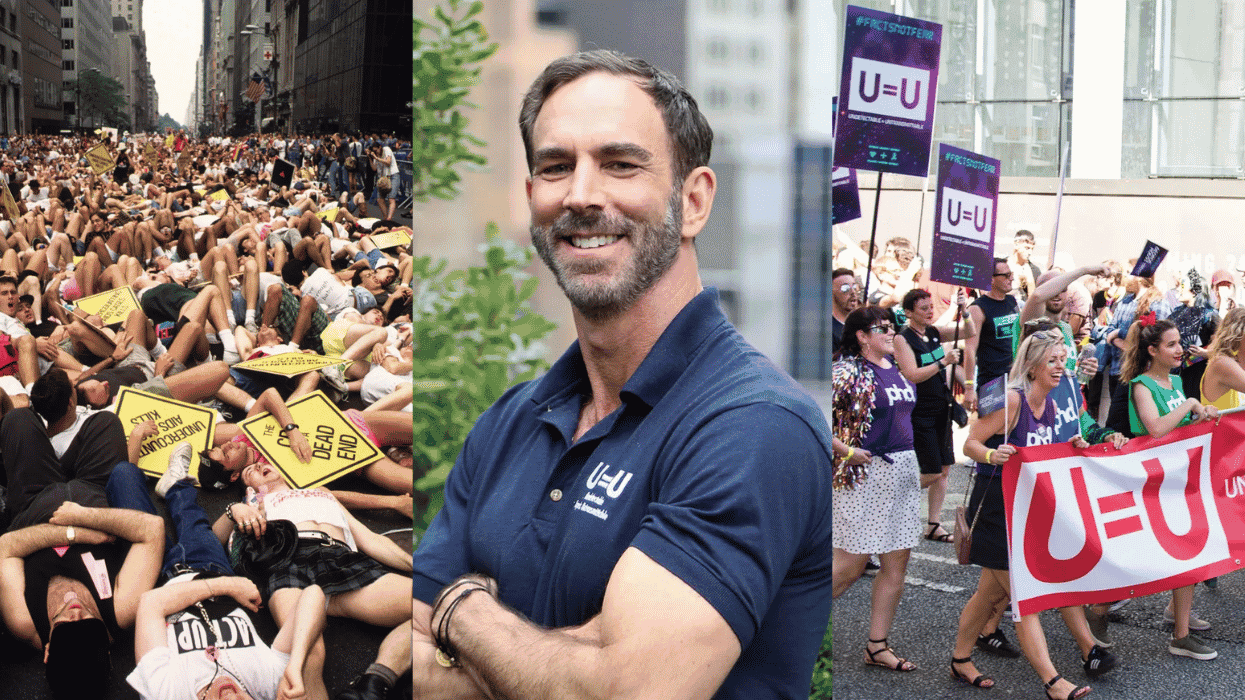
The road to U=U: How science has been liberating HIV+ people for a decade
July 01 2026 12:05 PM

Newly diagnosed with HIV? Advocates share their best advice for seeking treatment
April 29 2026 3:32 PM
How to find an HIV-competent healthcare provider, according to advocates
May 19 2026 4:55 PM
Plus: Featured Video
Latest Stories
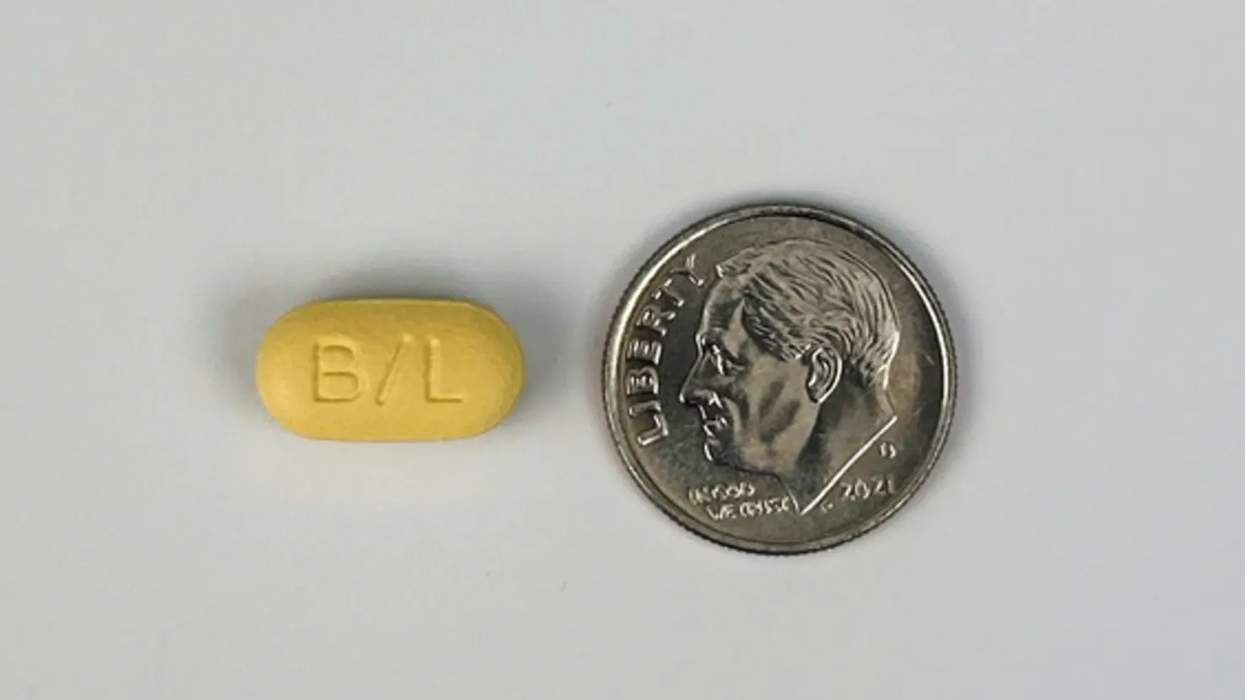
A New Once-Daily Pill to Treat HIV Just Got the FDA’s Green Light
August 31 2026 2:31 PM
Why affirming faith communities belong in the fight to end HIV
August 30 2026 8:00 AM
Navigating a new HIV diagnosis? Advocates say community is key
August 25 2026 3:33 PM

Gay Wine Weekend toasts 15 years of raising funds for HIV
August 25 2026 11:00 AM



A new HIV diagnosis doesn't have to be nerve-wracking. Advocates share their advice
July 30 2026 12:01 PM

Zero HIV Stigma Day: The epidemic we still choose to ignore
July 21 2026 7:00 AM

National HIV Prevention Day: Awareness is my superpower
July 17 2026 8:00 AM

Federal court clarifies that people with HIV can join the military again
June 03 2026 5:36 PM

Can a single infusion of immune cells suppress HIV for years?
May 11 2026 11:39 AM


National HIV advocacy group's CEO rejects claims of crisis
April 21 2026 5:14 PM



Beyond awareness: How youth leadership is reshaping the HIV response
April 10 2026 9:12 AM
Saving public health? AIDS United's new CEO has a plan
March 23 2026 9:48 AM
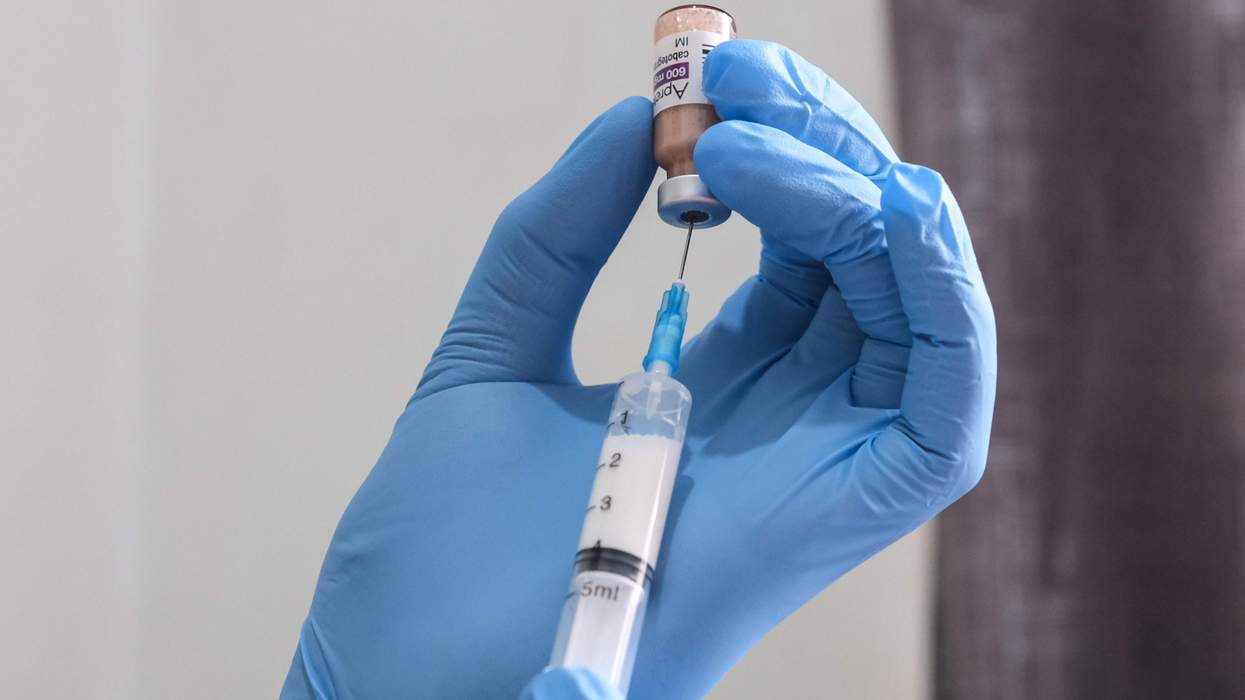
Struggling with daily HIV meds? Monthly shots may be the answer
March 20 2026 7:12 AM

Trending stories














Recommended Stories for You