Treatment GuideJust DiagnosedSex & DatingAfrican AmericanStigmaAsk the HIV DocPrEP En EspañolNewsVoicesPrint IssueVideoOut 100
CONTACTCAREER OPPORTUNITIESADVERTISE WITH USPRIVACY POLICYPRIVACY PREFERENCESTERMS OF USELEGAL NOTICE
© 2026 Pride Publishing Inc.
All Rights reserved
All Rights reserved
By continuing to use our site, you agree to our Privacy Policy and Terms of Use.
One of the milestones on your living with HIV journey is learning how to disclose your status to friends, family members, potential romantic partners, and other people in your life whom you want or need to know.
In a way, disclosing is an endless series of milestones, because each disclosure is a unique experience. Because of that, it’s hard not to get caught up in asking yourself questions like: How will they react? Will they be supportive? Try to micromanage my life? Reject me?
Some will take the news in stride, as you expected them to. Others won’t, as you might also have expected. And some could surprise you, for better or worse. Talk about uncertainty!
A lot to think about, right? Here are some strategies to help you get started:
Take a “need to know” approach
Decide ahead of time what you want to tell your friend or family member about your diagnosis and how much beyond the diagnosis you want to disclose. Most likely, you will feel comfortable giving some people specific information, such as how you were infected. Ask yourself, What do I need them to know? What do we not need to discuss? You’re in control here.
Decide when the time and place is right
Choose a moment when the two of you can share some quiet time. Think about the setting that will be comfortable for you as well as the other person. At your home? In a public setting? It’s up to you.
Be clear about your intentions
Are you looking for support? A deeper relationship? Is this a person you want to have sex with? This can be as simple as “I wanted to tell you something about myself. The reason I want to tell you is _______.” This will help your friend or family member understand what you are expecting — and not expecting — from them. And hopefully, it will help them listen with an open mind.
State the facts
Once you say “HIV,” the other person might have trouble hearing whatever comes next, at least when you first tell them. You may want to start with a simple disclosure along with a brief overview of how you’re doing and—equally important—what you’re doing: “I just learned that I am HIV-positive” or “I am living with HIV,” followed by “I am taking really good care of myself, physically and emotionally. And an important part of taking care of myself is disclosing my HIV status to people I care about and trust.”
Be sensitive to how they are reacting
If you sense they are uncomfortable with this conversation — and looking for an exit — that’s a sign they may not want to go any further. Respond with “It looks like you aren’t comfortable talking about this.” And then wait for them to let you know whether they can have this discussion. It may take some time to process the news, and so this may be an ongoing discussion.
Offer to answer questions
Say something like “Thanks for listening. Do you have any questions you want to ask?” Keep in mind that you don’t have to answer any questions you aren’t comfortable with or that you don’t think are relevant. It’s as simple as saying “I’m not ready to talk about that” or “I am not sure how to answer.”
Educate them
You may want to provide some information to the person you disclose to. This might be a pamphlet or a link to a website they might benefit from. You’ll get an idea of how educated they are by how they respond to your news.
Don’t assume you have to defend yourself
Again, you’re in control of the message here. You don’t have to apologize or make excuses for your HIV status. Keep the conversation focused on moving forward in your relationship. Respond to judgmental reactions with “I’m all about the present and the future, not the past. I would like to count on you to be there for me!” End of story.
Be ready to offer support — within limits
Most likely, some of the people you disclose to are going to say “I just feel terrible” or even use terms like “devastated.” That can be your cue to remind them that you’re taking responsibility for managing your HIV. You can be supportive without being pulled into someone else’s out-of-control emotions. Be gentle but firm. They’re feeling helpless. You’re not.
And keep your expectations realistic
Sure, it’s disappointing if someone you feel close to isn’t able to have this conversation, is judgmental, or is otherwise unsupportive. But here’s where you aren’t calling all the shots. You don’t have control over how someone else chooses to think, feel, or behave. And for those who won’t deal, it’s their limitation, not yours.
Disclosure is a step toward sharing more of your life with people you care about. Support is power.


From our Sponsors
Most Popular

The road to U=U: How science has been liberating HIV+ people for a decade
July 01 2026 12:05 PM

Newly diagnosed with HIV? Advocates share their best advice for seeking treatment
April 29 2026 3:32 PM

How to find an HIV-competent healthcare provider, according to advocates
May 19 2026 4:55 PM
Plus: Featured Video
Latest Stories

A New Once-Daily Pill to Treat HIV Just Got the FDA’s Green Light
August 31 2026 2:31 PM

Why affirming faith communities belong in the fight to end HIV
August 30 2026 8:00 AM

Navigating a new HIV diagnosis? Advocates say community is key
August 25 2026 3:33 PM

Gay Wine Weekend toasts 15 years of raising funds for HIV
August 25 2026 11:00 AM



A new HIV diagnosis doesn't have to be nerve-wracking. Advocates share their advice
July 30 2026 12:01 PM
Zero HIV Stigma Day: The epidemic we still choose to ignore
July 21 2026 7:00 AM

National HIV Prevention Day: Awareness is my superpower
July 17 2026 8:00 AM

Federal court clarifies that people with HIV can join the military again
June 03 2026 5:36 PM
Can a single infusion of immune cells suppress HIV for years?
May 11 2026 11:39 AM


National HIV advocacy group's CEO rejects claims of crisis
April 21 2026 5:14 PM



Beyond awareness: How youth leadership is reshaping the HIV response
April 10 2026 9:12 AM

Saving public health? AIDS United's new CEO has a plan
March 23 2026 9:48 AM
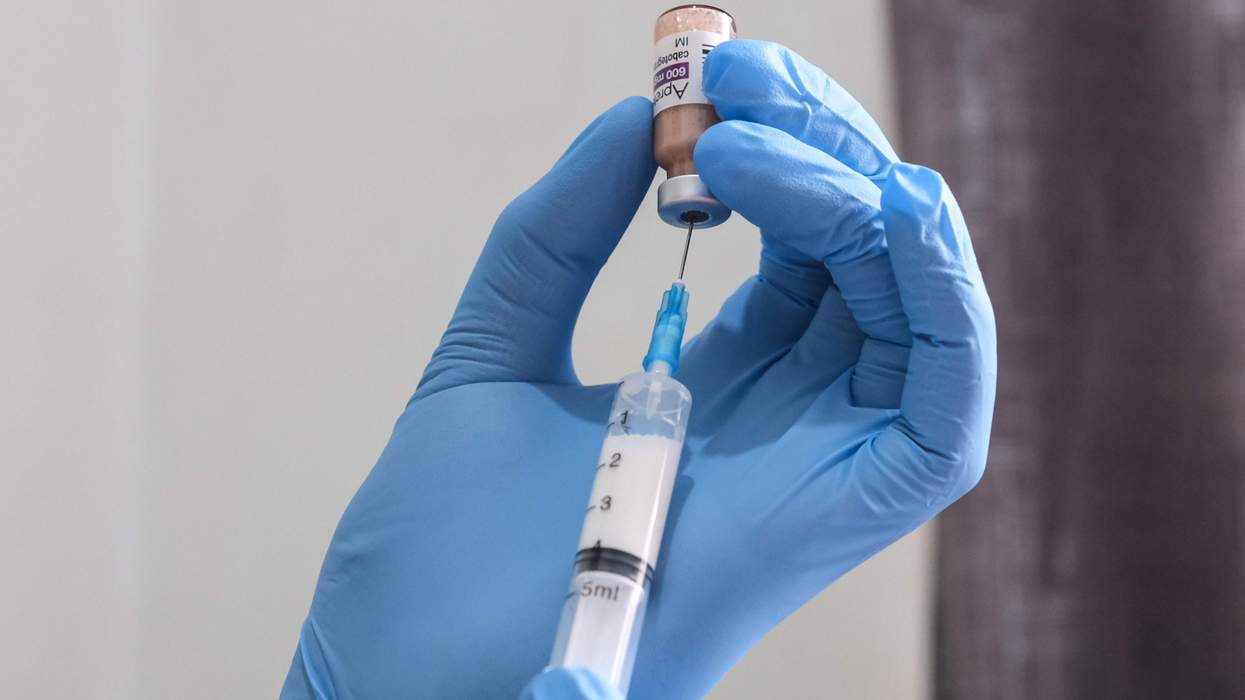
Struggling with daily HIV meds? Monthly shots may be the answer
March 20 2026 7:12 AM

Trending stories














Recommended Stories for You