Treatment GuideJust DiagnosedSex & DatingAfrican AmericanStigmaAsk the HIV DocPrEP En EspañolNewsVoicesPrint IssueVideoOut 100
CONTACTCAREER OPPORTUNITIESADVERTISE WITH USPRIVACY POLICYPRIVACY PREFERENCESTERMS OF USELEGAL NOTICE
© 2026 Pride Publishing Inc.
All Rights reserved
All Rights reserved

By continuing to use our site, you agree to our Privacy Policy and Terms of Use.

Yearly physical exams for HIV-positive adults do not differ much from those performed on HIV-negative patients, says Michael Allerton, HIV operations policy leader for Northern California's Kaiser Permanente Medical Care Program. However, there are a few particular tests HIV caregivers will give their patients at least once per year. ' Tuberculosis test. TB, a potentially life-threatening lung disease, is more common and more severe in HIV-positive adults, says Judith Feinberg, MD, board chair of the American Academy of HIV Medicine. 'We prefer to provide preventive therapy than have [HIV-positive patients] develop clinical TB, which is a nasty disease.' ' Eye exam. To screen for cytomegalovirus infection, an AIDS-defining disease that can result in permanent eye damage or blindness, says Roxanne Cox-Iyamu, MD, medical director for the northern Virginia office of the Whitman-Walker Clinic. ' Skin exam. To check for any visible changes in moles and for other signs of skin diseases or skin cancer. Some doctors check more regularly because skin infections are common among HIV-positive adults, notes Feinberg. ' Mouth exam. To check for signs of infections like thrush and other oral complications of HIV disease, Feinberg says. As with skin problems, some doctors conduct mouth exams more regularly because oral infections are common among HIV-positive adults. ' Syphilis and other screenings. Some physicians recommend checking sexually active patients in high-risk groups as often as every six months, based on reported risk factors, says Tom Barrett, MD, a staff physician at Chicago's Howard Brown Health Center. Syphilis and other sexually transmitted diseases can make it more likely for an HIV-positive person to expose sex partners to the virus. The neurological symptoms associated with long-term syphilis infection also may be worse in people coinfected with HIV.


From our Sponsors
Most Popular

Newly diagnosed with HIV? Advocates share their best advice for seeking treatment
April 29 2026 3:32 PM
Plus: Featured Video
Latest Stories

A new HIV diagnosis doesn't have to be nerve-wracking. Advocates share their advice
July 30 2026 12:01 PM

How to find an HIV-competent healthcare provider, according to advocates
May 19 2026 4:55 PM
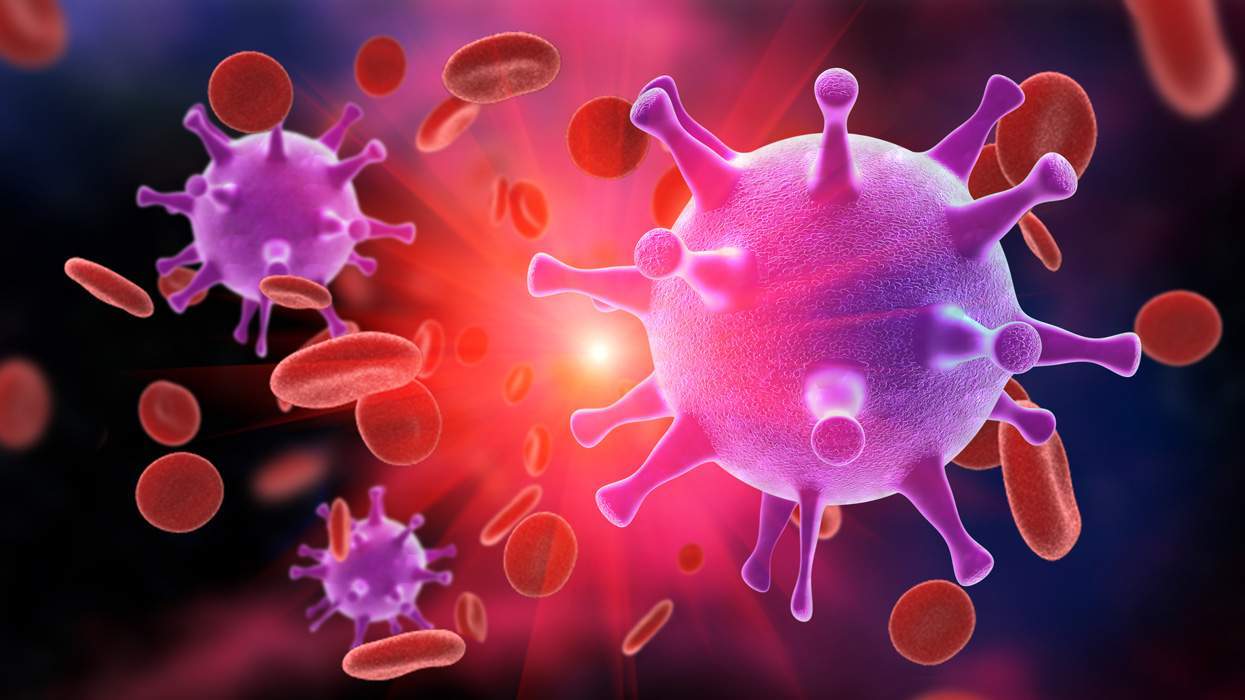
Can a single infusion of immune cells suppress HIV for years?
May 11 2026 11:39 AM


National HIV advocacy group's CEO rejects claims of crisis
April 21 2026 5:14 PM



Beyond awareness: How youth leadership is reshaping the HIV response
April 10 2026 9:12 AM
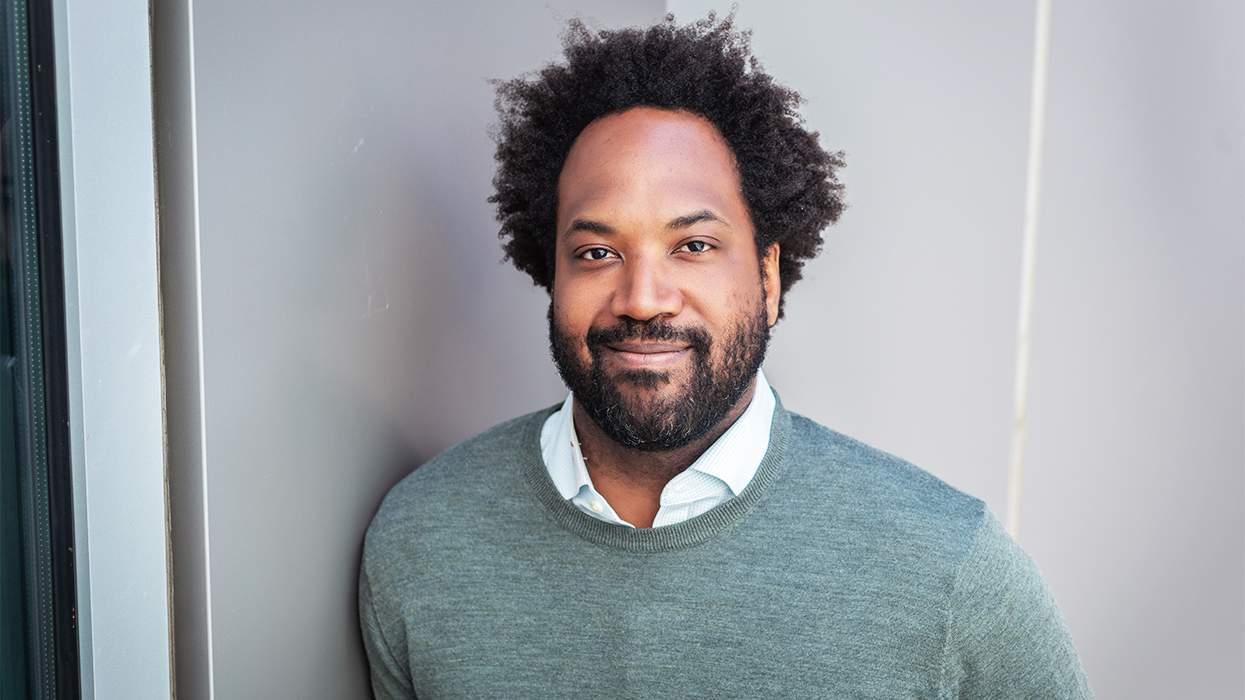
Saving public health? AIDS United's new CEO has a plan
March 23 2026 9:48 AM
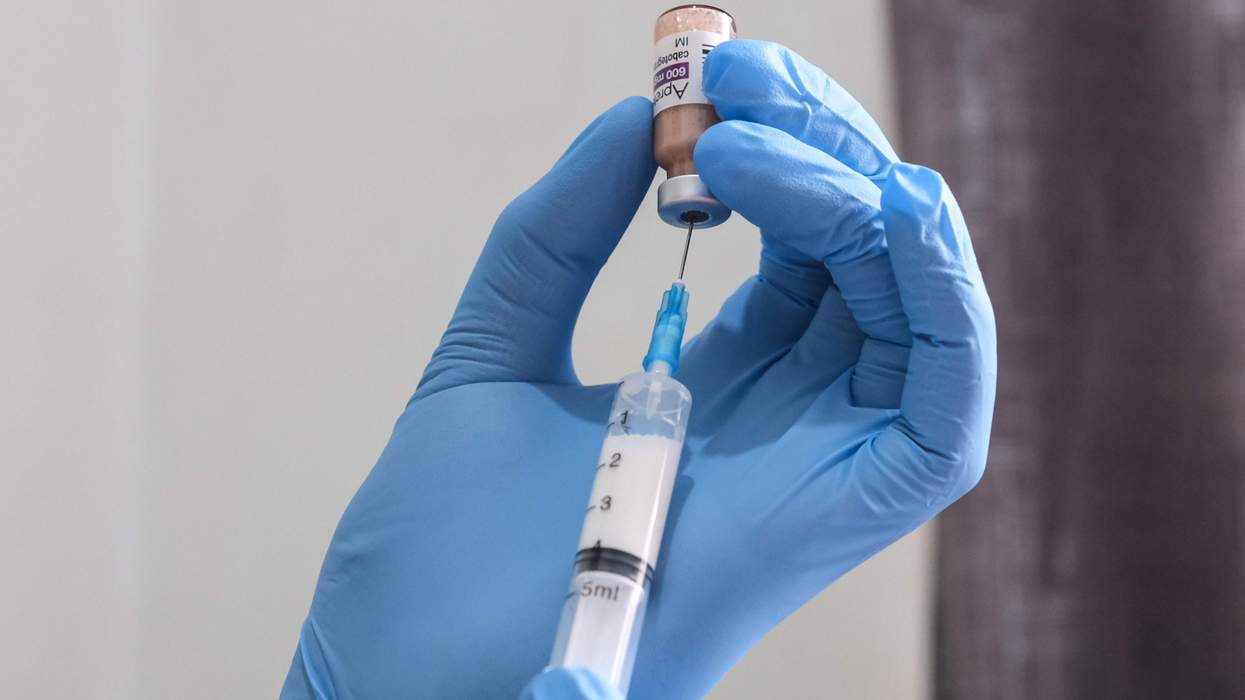
Struggling with daily HIV meds? Monthly shots may be the answer
March 20 2026 7:12 AM

Did you know over half of HIV-positive people in the world are female?
March 09 2026 6:47 PM

Why are Black people still the most affected by HIV criminalization?
February 27 2026 8:44 PM

What to know about HIV testing and treatment if you’re Black and LGBTQ+
February 24 2026 9:04 AM

6 Black activists who changed the HIV/AIDS response in America
February 09 2026 9:55 AM

National Black HIV/AIDS Awareness Day: a time for action on many fronts
February 07 2026 3:49 PM

Black Americans are disproportionately criminalized for living with HIV. Here's how
February 06 2026 4:26 PM

13 Black community organizations fighting HIV in the U.S. you should know
February 03 2026 10:45 AM

Meet the activist who wants people living with HIV to know they’re still sexy
January 28 2026 10:02 AM

An HIV breakthrough is here. Let's not let it go to waste
January 21 2026 12:40 PM


HIV-positive men stage 'Kiss-In' protest at U.S.-Mexico border
December 01 2025 12:56 PM
Trending stories















Recommended Stories for You