Treatment GuideJust DiagnosedSex & DatingAfrican AmericanStigmaAsk the HIV DocPrEP En EspañolNewsVoicesPrint IssueVideoOut 100
CONTACTCAREER OPPORTUNITIESADVERTISE WITH USPRIVACY POLICYPRIVACY PREFERENCESTERMS OF USELEGAL NOTICE
© 2026 Pride Publishing Inc.
All Rights reserved
All Rights reserved

By continuing to use our site, you agree to our Privacy Policy and Terms of Use.

In 2010 an estimated 5 million people were taking antiretroviral medication to manage their HIV. In the U.S., those who are diagnosed early and start drug therapy upon diagnosis carry a near-zero chance of passing the virus on to a sexual partner. And while much more of the global population has access to medication than ever before, the levels of care vary widely. With that disparity comes varied levels of concern for the safety of HIVers on antiretroviral therapy. A study published in July and funded by the Bill and Melinda Gates Foundation found that more oversight is crucial on matters such as inappropriate use, drug interactions, toxicity, and substandard drugs, given the broadening pool of antiretroviral medication recipients. The Forum for Collaborative HIV Research'which studies topics including drug side effects, new clinical trial designs, and how to make HIV testing universally available'had the task of advising drugmakers, government agencies, and others how best to assure safety and proper use of antiretrovirals. 'Loss of confidence in the safety of [antiretrovirals] could lead to poor adherence and the emergence of drug resistance, reduced demand for therapy, or inappropriate switching to more toxic or expensive medicines,' researchers noted in the report. In other words, if HIVers can't be certain their meds are safe, they're less likely to take them in the most effective manner. The forum's message is clear: Health officials, regardless of nation, need to be heard on how to properly maintain antiretroviral effectiveness. 'Many stakeholders with substantial interests are still not routinely at the table. Most prominently, the pharmaceutical industry, both innovator and generic, are not included,' researchers noted. Given their multibillion-dollar investment in the war on HIV, drug companies need to play a greater role in ensuring that medications are taken safely and properly. Such vigilance is 'inextricably intertwined' with HIV research on a global scale, they wrote.


From our Sponsors
Most Popular

The road to U=U: How science has been liberating HIV+ people for a decade
July 01 2026 12:05 PM

Newly diagnosed with HIV? Advocates share their best advice for seeking treatment
April 29 2026 3:32 PM

How to find an HIV-competent healthcare provider, according to advocates
May 19 2026 4:55 PM
Plus: Featured Video
Latest Stories
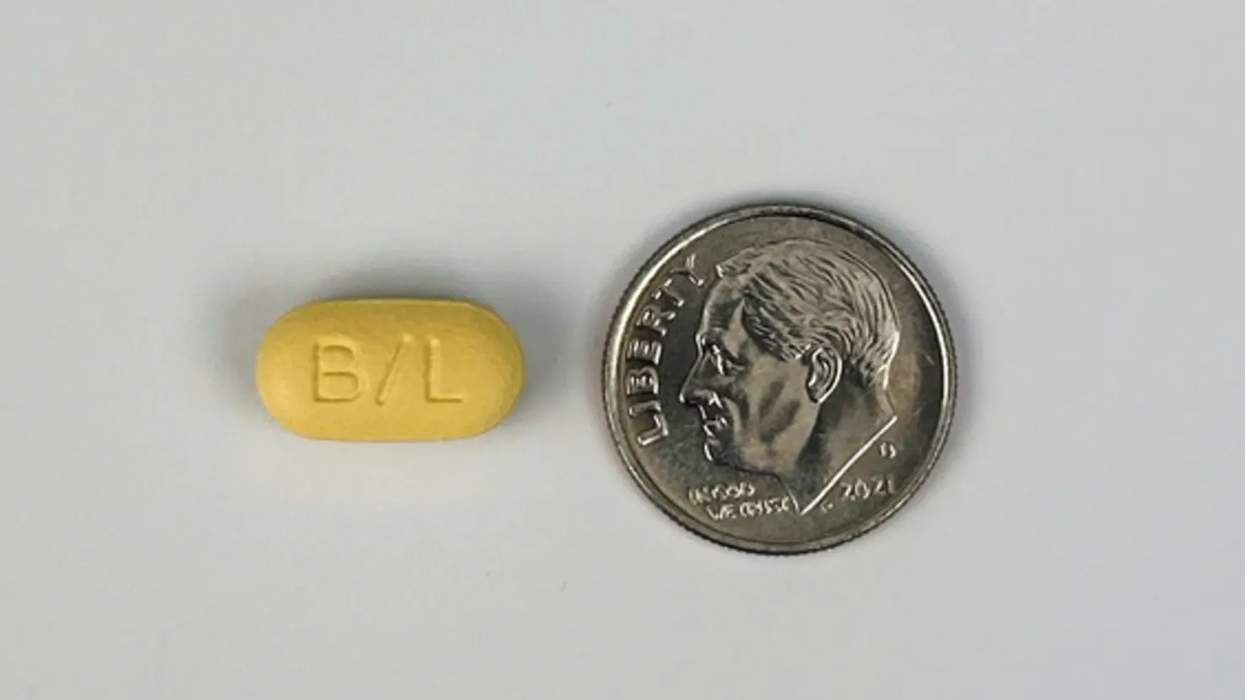
A New Once-Daily Pill to Treat HIV Just Got the FDA’s Green Light
August 31 2026 2:31 PM

Why affirming faith communities belong in the fight to end HIV
August 30 2026 8:00 AM

Navigating a new HIV diagnosis? Advocates say community is key
August 25 2026 3:33 PM

Gay Wine Weekend toasts 15 years of raising funds for HIV
August 25 2026 11:00 AM



A new HIV diagnosis doesn't have to be nerve-wracking. Advocates share their advice
July 30 2026 12:01 PM

Zero HIV Stigma Day: The epidemic we still choose to ignore
July 21 2026 7:00 AM

National HIV Prevention Day: Awareness is my superpower
July 17 2026 8:00 AM

Federal court clarifies that people with HIV can join the military again
June 03 2026 5:36 PM


Can a single infusion of immune cells suppress HIV for years?
May 11 2026 11:39 AM


National HIV advocacy group's CEO rejects claims of crisis
April 21 2026 5:14 PM


Beyond awareness: How youth leadership is reshaping the HIV response
April 10 2026 9:12 AM
Saving public health? AIDS United's new CEO has a plan
March 23 2026 9:48 AM
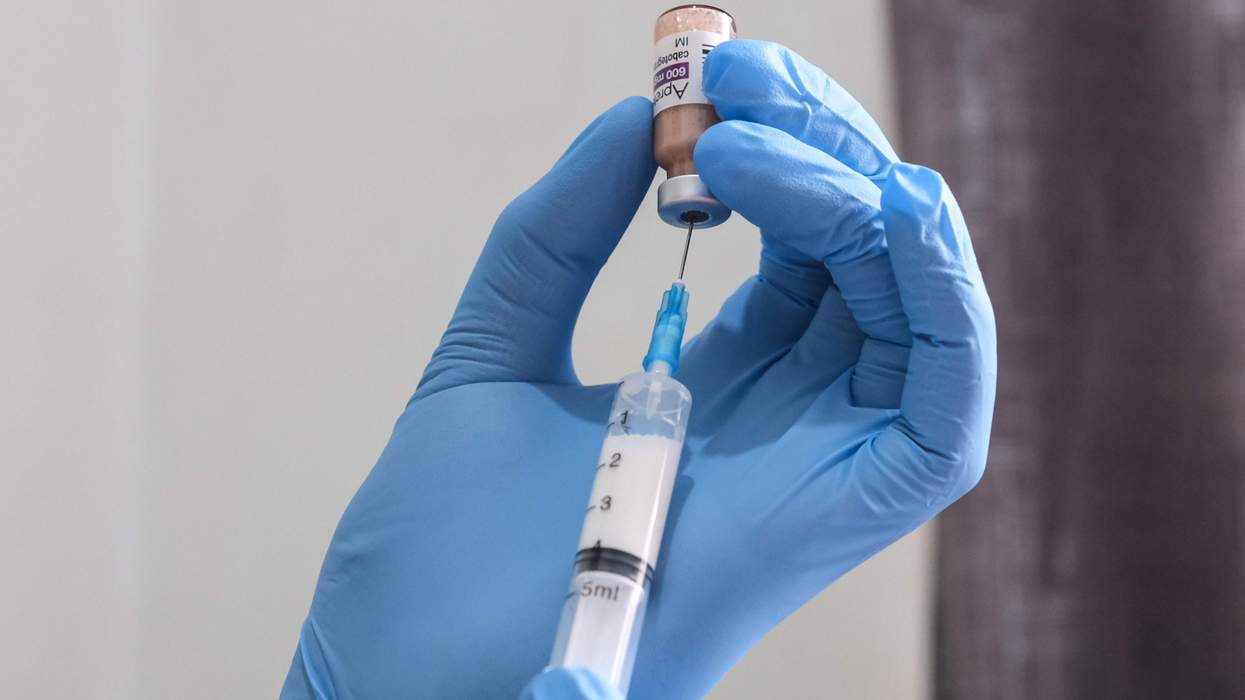
Struggling with daily HIV meds? Monthly shots may be the answer
March 20 2026 7:12 AM

Trending stories















Recommended Stories for You