All Rights reserved

By continuing to use our site, you agree to our Privacy Policy and Terms of Use.

Starting HIV treatment can be overwhelming, especially when you’re sitting across from a doctor, unsure of what to say. In Plus’ The Talk, individuals living with HIV open up about their first conversations with health care providers, offering real-world advice, reassurance and honesty. From must-ask questions to knowing your boundaries, The Talk is a guide to feeling seen, heard and empowered from the very first appointment.
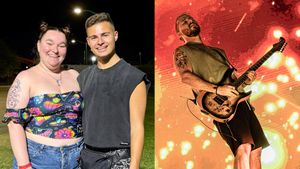
This season, we bring together Project Lazarus Executive Director Ian Bicko, public health specialist Elena Linas, dancer and advocate Danny Ochoa, and entrepreneur Tatania Riley to reflect on how speaking openly about their diagnoses became a source of strength rather than shame.
Linas explains that her journey toward openness wasn’t immediate. It took her years to reach a place where she felt comfortable, and that hearing others share their experiences — even online — gave her the confidence to do the same. Discovering a woman on YouTube who spoke candidly about her diagnosis was especially powerful, since she had never personally known another woman living with HIV.
“I realized the way that people find encouragement is by me speaking about my status,” Linas adds.
Ochoa recalls that before his diagnosis, the hardest part was knowing his parents didn’t yet know he was gay. He eventually sat them down and shared the truth — so when his HIV diagnosis followed, he felt he had no choice but to be just as open. To his relief, they stood by him, and that support helped him let go of fear.
“Since my diagnosis, I’ve started trying to use my voice,” Ochoa says. “I do community-based prevention and outreach, and this is my call!”
Bicko notes that for him, stepping into advocacy was always a natural path, though he acknowledges that isn’t the case for everyone. He encourages others to give themselves time to process a diagnosis before diving into activism.
“It really has been life-changing,” Bicko says. “It made me realize how not alone I am. It’s also made me realize how many people out there care.”
According to Riley, HIV has opened a whole new world for her.
“When I started opening up to the community, my family, friends, it made me feel good about myself because I knew I had a voice that needed to be heard,” Riley explains. “HIV is not a death sentence. It’s a whole new chapter of my life, a whole new me.”
Watch the episode above and catch more episodes of The Talk HERE.
From our Sponsors
Most Popular
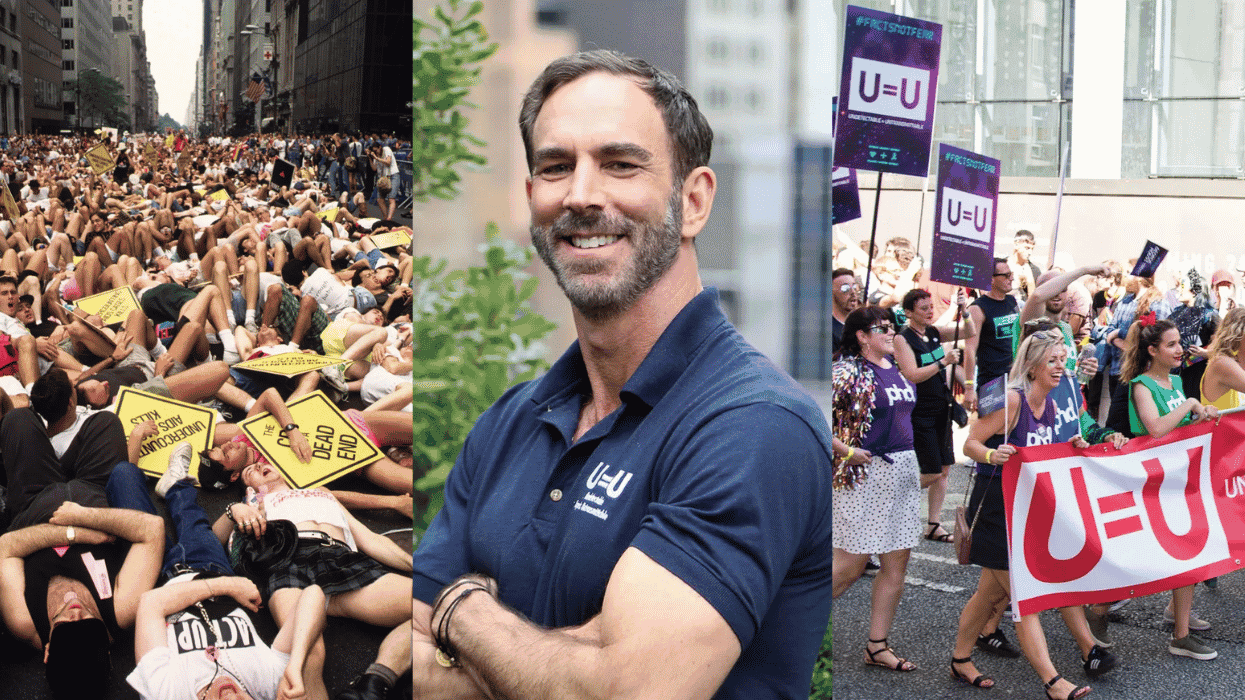
The road to U=U: How science has been liberating HIV+ people for a decade
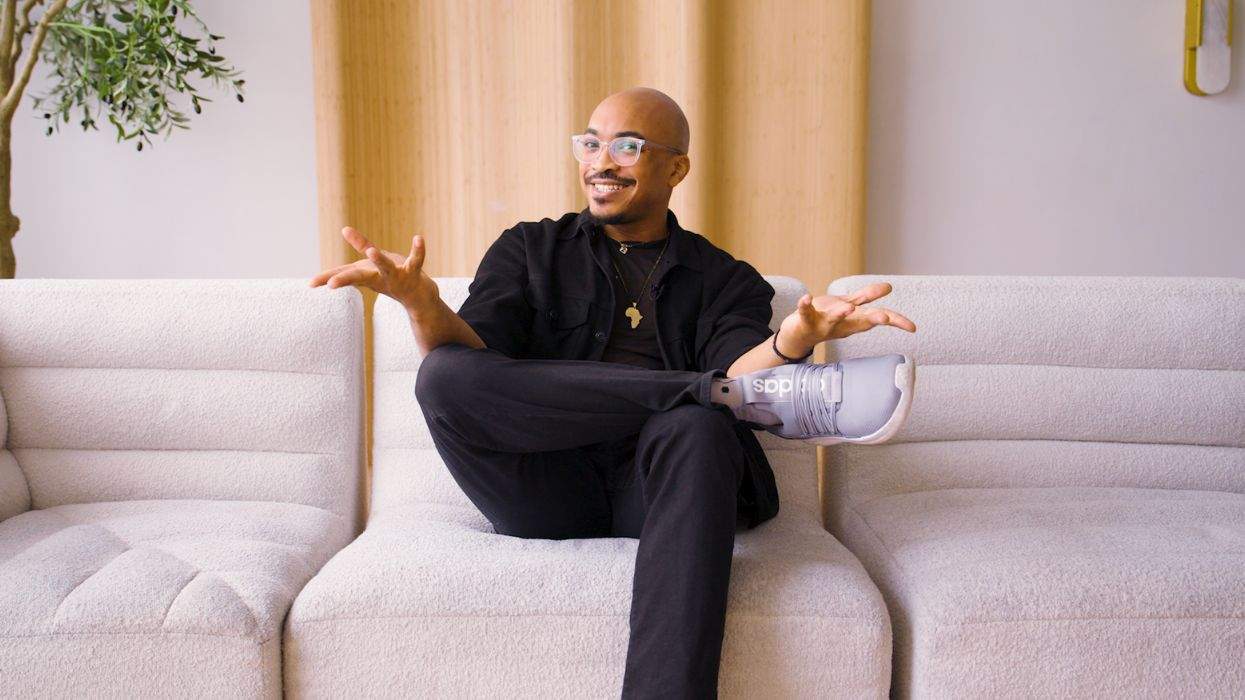
Newly diagnosed with HIV? Advocates share their best advice for seeking treatment
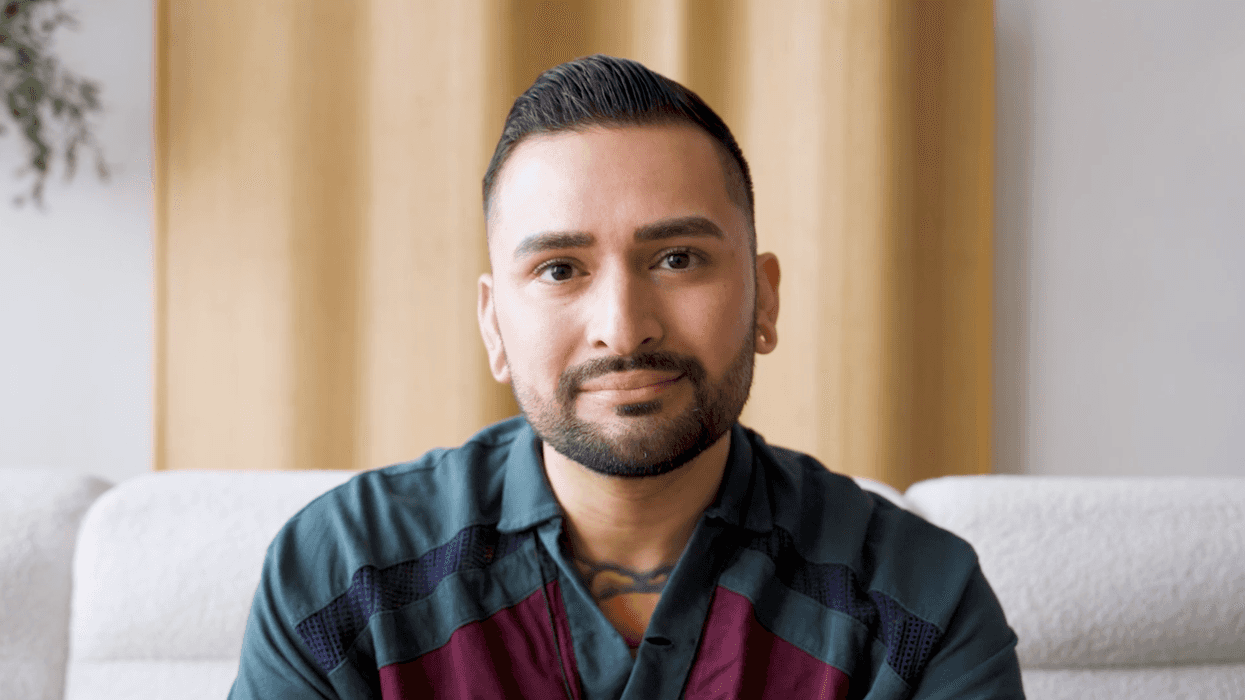
How to find an HIV-competent healthcare provider, according to advocates
Latest Stories
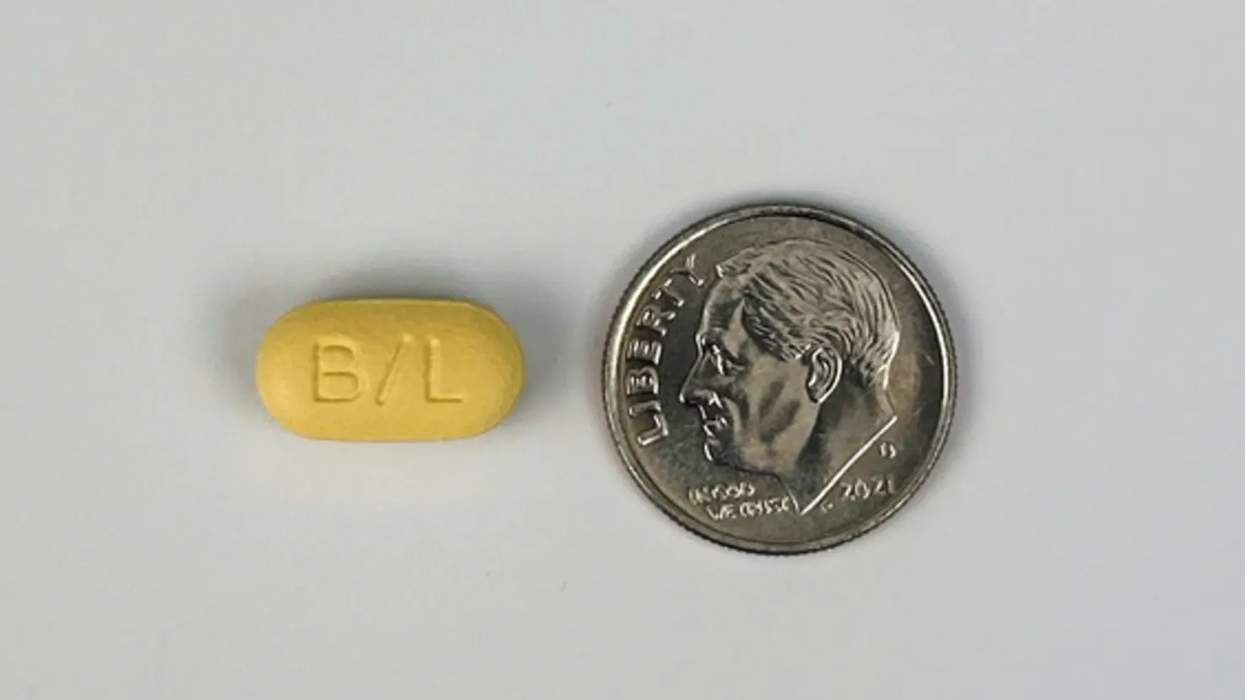
A New Once-Daily Pill to Treat HIV Just Got the FDA’s Green Light
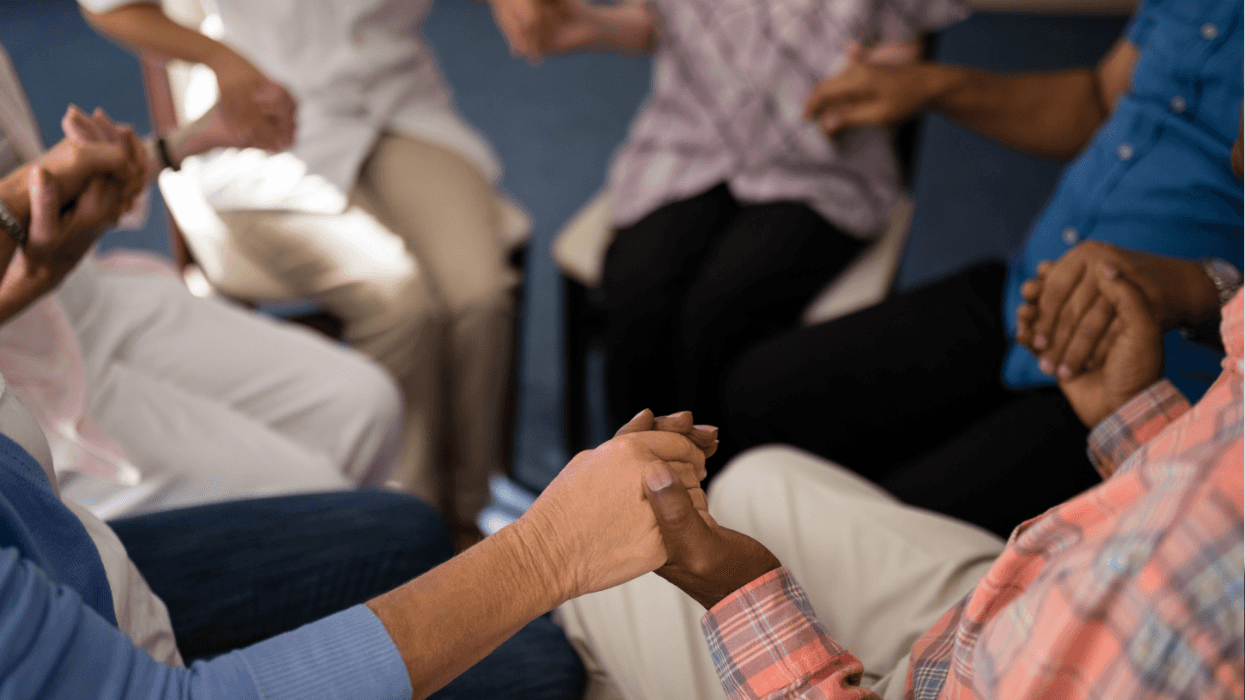
Why affirming faith communities belong in the fight to end HIV
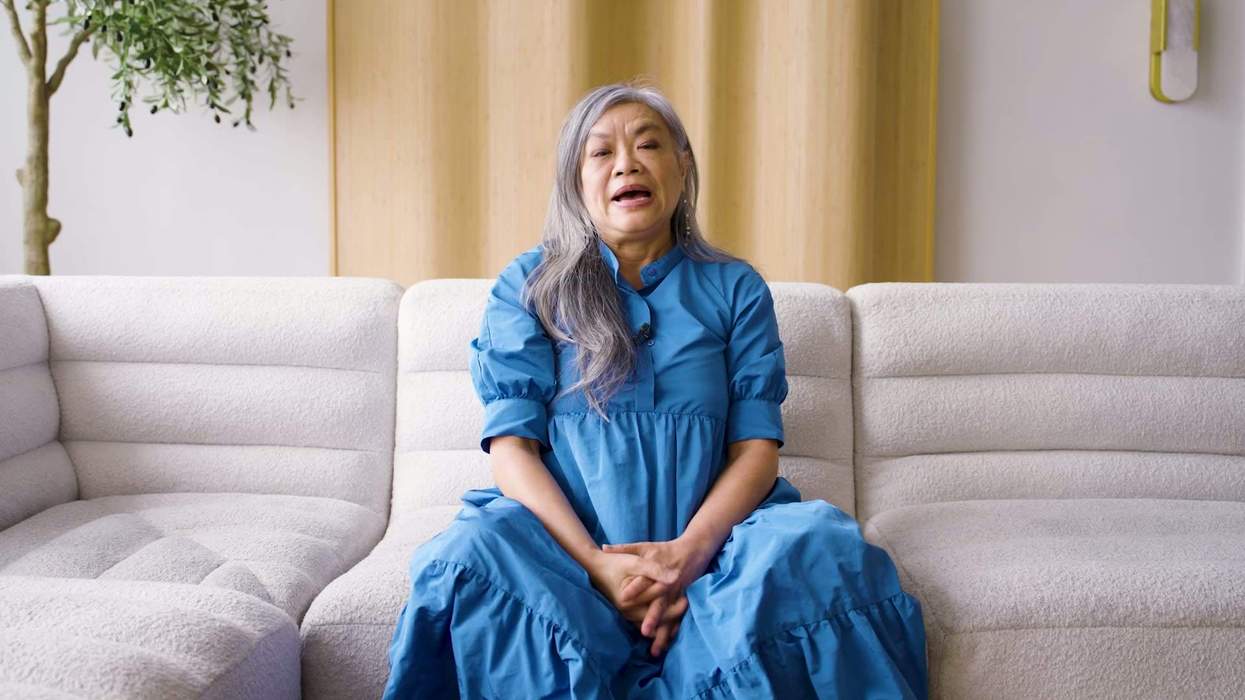
Navigating a new HIV diagnosis? Advocates say community is key

Gay Wine Weekend toasts 15 years of raising funds for HIV
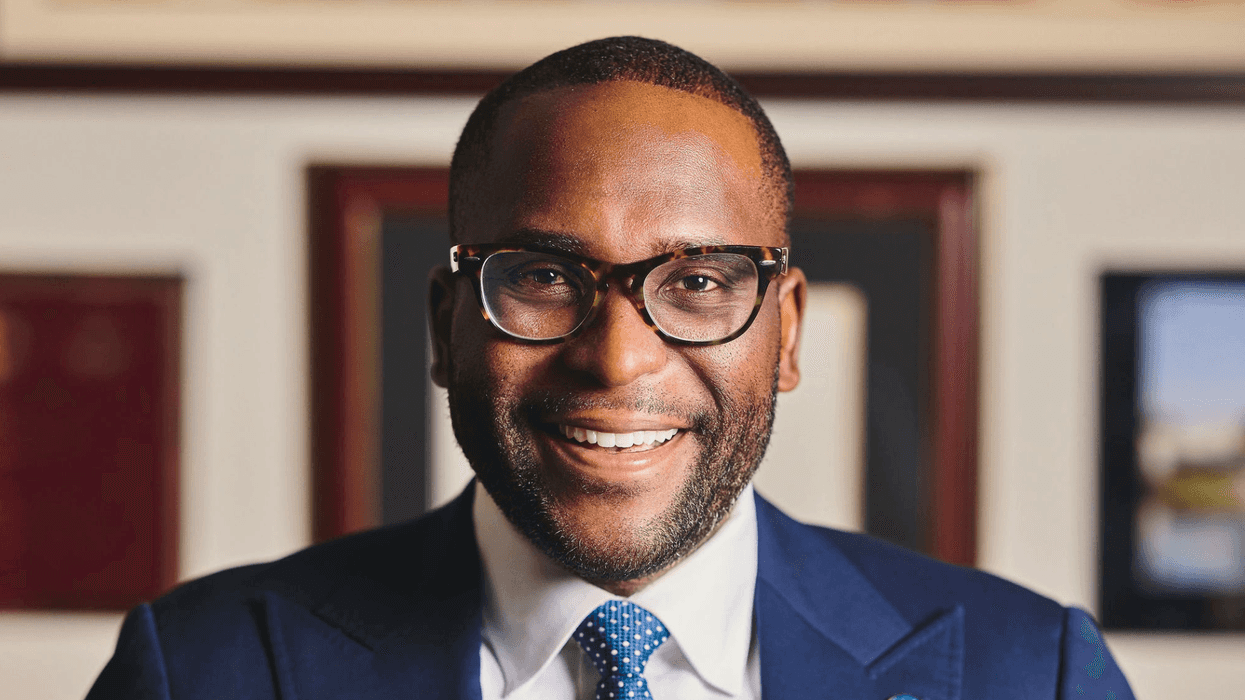
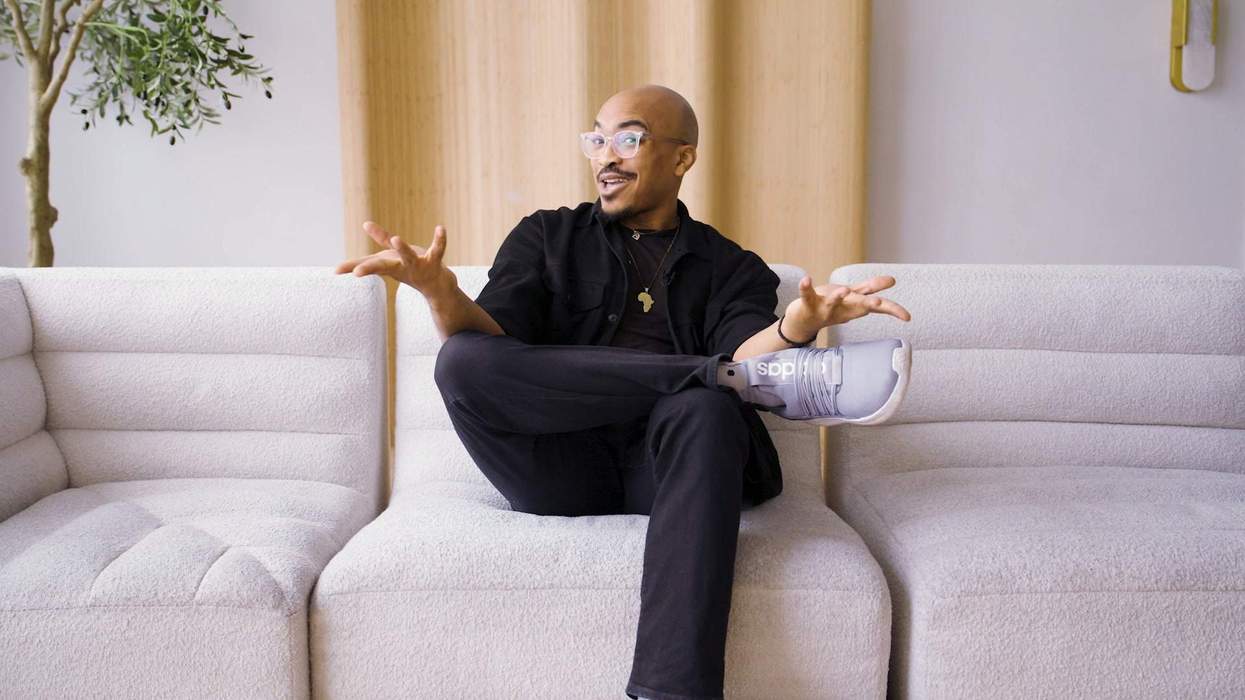
A new HIV diagnosis doesn't have to be nerve-wracking. Advocates share their advice
Zero HIV Stigma Day: The epidemic we still choose to ignore

National HIV Prevention Day: Awareness is my superpower
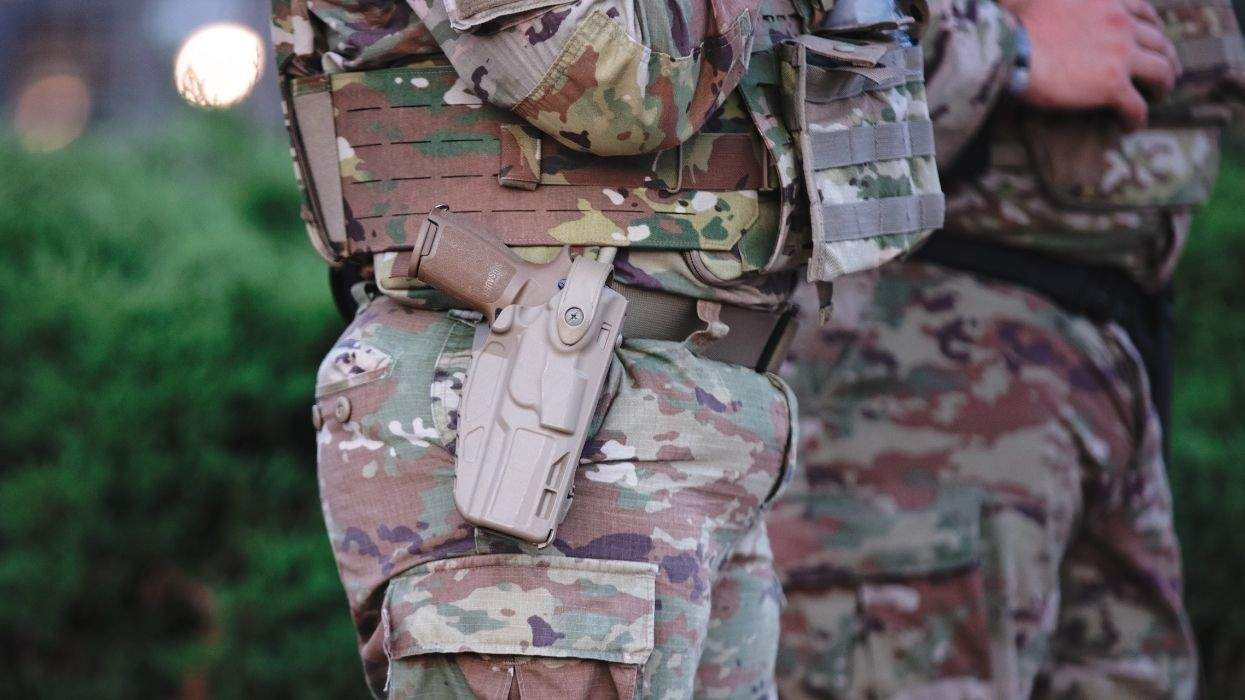
Federal court clarifies that people with HIV can join the military again
Can a single infusion of immune cells suppress HIV for years?
National HIV advocacy group's CEO rejects claims of crisis

Beyond awareness: How youth leadership is reshaping the HIV response
Saving public health? AIDS United's new CEO has a plan
Struggling with daily HIV meds? Monthly shots may be the answer
Trending stories







Recommended Stories for You