Treatment GuideJust DiagnosedSex & DatingAfrican AmericanStigmaAsk the HIV DocPrEP En EspañolNewsVoicesPrint IssueVideoOut 100
CONTACTCAREER OPPORTUNITIESADVERTISE WITH USPRIVACY POLICYPRIVACY PREFERENCESTERMS OF USELEGAL NOTICE
© 2026 Pride Publishing Inc.
All Rights reserved
All Rights reserved

By continuing to use our site, you agree to our Privacy Policy and Terms of Use.

Roy Simmons's detoxification program is not simple or cheap'the supplements alone cost more than $150 a month'but there are similar steps, says Roni DeLuz, a naturopathic doctor and founder of the Martha's Vineyard Holistic Retreat, to the ones that Simmons went through. Many of these, HIV specialists concur, are part of a pretty commonsense approach to general good health. ' Buy a juicer and drink a daily juice made from a variety of vegetables. 'Juicing gives you the maximum nutrition. It's a way you can use to detoxify, but you also can use it to feed,' DeLuz says. Cade Fields-Gardner, director of the Chicago-area HIV nutrition firm the Cutting Edge, recommends that live juices be consumed right away and not refrigerated for later use so that their antioxidant capacity is not diminished by exposure to air. ' Eat berries and whole-grain products. These contain natural antioxidants and reduce the number of toxins entering the body, DeLuz asserts. Whole grains contain a number of fat-soluble vitamins, like A and E, as well as dietary fiber, Fields-Gardner notes. Berries can have anywhere from two to 20 times the antioxidant capacity of even antioxidant supplements, she adds. ' Eat fish whenever possible and cut back on red meat. 'This keeps the diet as least stressful as possible,' DeLuz says. 'When someone has a chronic illness you want to take away the foods that stress the body's systems.' Fish, particularly tuna and salmon, has large amounts of heart-healthy omega-3 fatty acids, Fields-Gardner adds. Red meat, though a key source of iron, is typically high in saturated fats. Go for leaner cuts, such as beef or pork tenderloin, and avoid fattier choices like filet mignon, she recommends. ' Exercise. Even rigorous walking is beneficial. ' Get plenty of sleep. DeLuz also recommends not eating less than three hours before bedtime to allow the digestive organs to properly rest during sleep. ' Drink plenty of water. Michael Gottlieb, MD, an HIV specialist, says adequate water intake can help prevent dehydration that may occur in HIV-positive people suffering from chronic diarrhea. It also can flush out the kidneys and help prevent problems with kidney stones and kidney sludge. ' One controversial cornerstone of DeLuz's holistic practice centers on colon health. She urges colonics once a week or more and over-the-counter'type enemas for people who cannot afford the $60 to more than $100 per visit price tag for colonic irrigation. 'Enemas are not going to hurt you,' DeLuz says. 'They're going to help you by keeping you from reabsorbing toxins.' But Gottlieb says there is no scientific evidence supporting the notion that toxins build up in the lining of the colon and must be artificially purged. 'Why do people feel better after colonics and enemas? It's because there's some satisfaction, a sense of well-being, with elimination,' he says. But, he insists, the same can be accomplished through regular bowel movements. ' Perhaps the two most important steps to take when embarking on a new diet or exercise program, including the supplement-based regimen endorsed by the Martha's Vineyard holistic center, are to first consult with your HIV doctor and then partner with someone else adopting the same regimen. 'Do it with a friend,' Jimmy Hester, Simmons's best friend, says. 'I really can't emphasize this enough. Roy and I are there for each other every day, and some days that makes all the difference.' You Should Know Enemas also are not appropriate for everyone and are typically contraindicated for people who have had recent colon or rectal surgery, have hemorrhoids, suffer from an unknown abdominal condition, have an irregular heartbeat, have suffered a heart attack, or who have cardiovascular disease. Women in advanced stages of pregnancy or who have recently delivered should check with their physicians before receiving an enema. In addition, research has shown that overuse of enemas can deplete the body of needed minerals, including potassium and key electrolytes.



Plus: Featured Video
Latest Stories


HIV-positive men stage 'Kiss-In' protest at U.S.-Mexico border
December 01 2025 12:56 PM

What the AIDS crisis stole from Black gay men
December 01 2025 6:00 AM

It’s National PrEP Day! Learn the latest about HIV prevention
October 10 2025 9:00 AM

“I am the steward of my ship”: John Gibson rewrites his HIV narrative
September 16 2025 2:56 PM

“So much life to live”: Eric Nieves on thriving with HIV
September 03 2025 11:37 AM
The Talk: Owning your voice
August 25 2025 8:16 PM

The lab coat just got queer
August 21 2025 10:00 AM

Messenger RNA could be the key to an HIV vaccine — but government cuts pose a threat
August 20 2025 8:02 AM
The Talk: Beyond the exam room
August 13 2025 3:15 PM

The Talk: Navigating your treatment
August 01 2025 6:02 PM
The Talk: Starting the conversation
July 25 2025 4:47 PM

Thanks to U=U, HIV-positive people can live long, happy, healthy lives
July 25 2025 2:37 PM
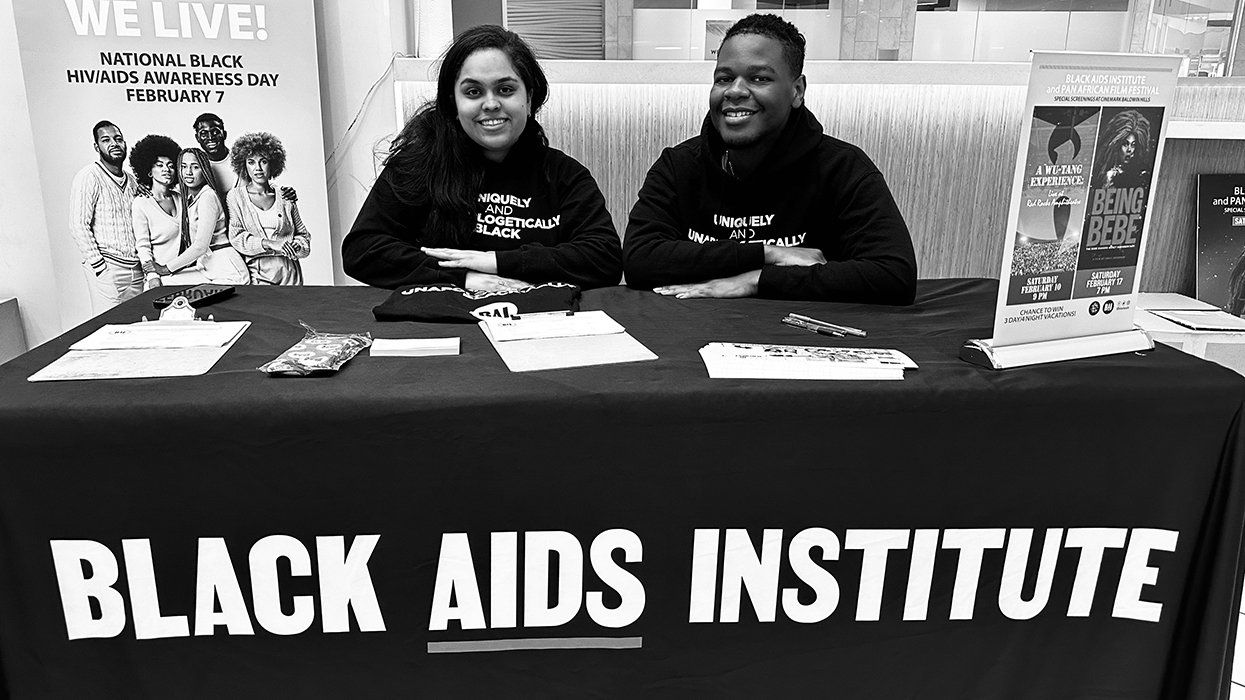
How the Black AIDS Institute continues to fill in the gaps
July 25 2025 1:06 PM

“I felt like a butterfly”: Niko Flowers on reclaiming life with HIV
July 23 2025 12:22 PM



Dancer. Healer. Survivor. DéShaun Armbrister is all of the above
July 02 2025 8:23 PM
BREAKING: Supreme Court rules to save free access to preventive care, including PrEP
June 27 2025 10:32 AM

1985: the year the AIDS crisis finally broke through the silence
June 26 2025 11:24 AM

VIDEO: A man living with HIV discusses his journey to fatherhood
June 10 2025 4:58 PM
Trending stories















Recommended Stories for You