Treatment GuideJust DiagnosedSex & DatingAfrican AmericanStigmaAsk the HIV DocPrEP En EspañolNewsVoicesPrint IssueVideoOut 100
CONTACTCAREER OPPORTUNITIESADVERTISE WITH USPRIVACY POLICYPRIVACY PREFERENCESTERMS OF USELEGAL NOTICE
© 2026 Pride Publishing Inc.
All Rights reserved
All Rights reserved

By continuing to use our site, you agree to our Privacy Policy and Terms of Use.

'I just want people to know that we're just normal people,' Hydeia Broadbent pleaded to a fellow guest on an HIV-themed segment of a children's talk show she was appearing on in 1992. She was just 7 years old at the time, an apple-cheeked little cherub with intricate braids, hoop earrings, and an embroidered Sunday school dress, her feet dangling off the edge of her seat. When it came time for her to open up, she burst into tears. The fellow guest -- none other than Magic Johnson, who at the time had only recently made public that he too was living with HIV -- consoled her tenderly. 'You don't have to cry,' he said, while an overwhelmed Broadbent rubbed her eyes and sobbed. The image, searchable on YouTube, is as heartwarming as it is heartbreaking -- because Broadbent is now a thriving, beautiful 25-year-old. A decade after appearing in HIV Plus as the 'AIDS poster girl,' we decided to check back in with her to see how it's been since she was a child who wasn't certain if she could plan for another birthday or would grow into womanhood. Well, she's still talking, spreading the word to others that, yes, she's a normal person. But with an extraordinary life. 'I plan to do as much as I can!' she says, revealing all her passion for her work as well as her life. 'I plan to help a lot of organizations that I was involved with when I was younger. I want people to know that I'm trying to make a difference, because I really don't want people to deal with HIV if they don't have to.' Born in 1984, Broadbent was abandoned at a hospital in Las Vegas by her drug-addicted mother and was soon adopted by Patricia and Loren Broadbent. A tiny child prone to every little cold and flu that came along, she was diagnosed with HIV at the age of 3. Doctors told her family she probably wouldn't live more than a couple of years. In the 2002 book that her mom cowrote with her about her struggle for survival, You Can Get Past the Tears, Patricia Broadbent says of her daughter, 'Certainly being a little black girl with AIDS was not all that Hydeia was, but I knew she'd encounter people who wouldn't look any further.' Determined to fight the intense stigma and shame of the Ryan White era, Hydeia Broadbent's mom, a social worker by trade, launched into public speaking about pediatric AIDS. Meanwhile, through her determined efforts, she secured a place for her daughter in the National Institutes of Health's clinical trials of pediatric treatments for HIV. Beginning in 1990, their trips to the NIH headquarters in Bethesda, Md., gave the young girl access to the up-and-coming medications that were so desperately needed in those harrowing years. At first Broadbent just tagged along as her mother spoke publicly about her daughter's condition. But by age 6, she started piping up herself. She gradually began to take the helm and soon became an accomplished speaker in her own right. And she doesn't hold back when it comes to letting people know her viewpoint. 'It hurts to know that I'm 25 and people have been [speaking up about HIV prevention] for longer than I've been alive, but people aren't getting the message. It saddens me. But now people think, Well, if I get HIV, I'll need to take medication but I'll be OK.' But her messages also carry hope and understanding -- not just her thoughts on prevention. She's spoken on Good Morning America, 20/20, and The Oprah Winfrey Show; at college campuses; and in a print ad campaign for the FUBU clothing line. In 1996 she stood before the Republican National Convention and said, 'You can't crush my dreams. I am the future. And I have AIDS.' 'I think -- because of what she's gone through at such a young age -- it caused her to mature quicker than most people would,' says Cynthia Davis, who advocates for HIV-related efforts as an assistant professor and program director in the department of family medicine at Charles Drew University of Medicine and Science in Los Angeles. Davis has called on Broadbent to appear in speaking engagements since she was 13. 'It's because of that maturity, I think, that she's so effective at what she does. She's very, very honest, open, willing to share her life experiences. And young people tend to look up to her.' In fact, Davis once ran a focus group with at-risk youths in the Los Angeles area in order to find out who they thought would be an inspirational face for an HIV campaign. To her surprise, they bypassed a certain hometown basketball star and named Hydeia Broadbent as their hero. Today, Broadbent says her dreams include finishing her final two years of college and either going into HIV advocacy work full-time or perhaps using her honed communication skills for a career in public relations. A recent downturn in her health forced her to take some time off from her studies, she reveals, and from her lifelong commitment to speaking engagements. But by this past fall she was getting back into the swing of things with a college campus tour called R.A.P. on AIDS, and she is working on her memoirs. 'When I was younger there wasn't an outlook that I would go to college,' she says. 'There wasn't hope that I would get married and have kids. Now that there is that hope, I'm very grateful for that!' Indeed, Broadbent has been lucky. Stigma has rarely touched her directly. Incidents such as the time her kindergarten teacher sprayed her face with bleach after she sneezed have been few and far between, she says. Nevertheless, her high school sweetheart, Pernell, says he does have to be a buffer for her. 'A lot of people think I'm crazy' for dating her, the 24-year-old says. 'They tell me I should leave her alone and not talk to her -- that there are other females out there. I'm like, 'Yeah, there sure is, but it's just who I love.'' Going from living day to day to suddenly finding an uncertain future before her has proved a hard transition. While adults who lived with AIDS in the era before highly active antiretroviral therapy often maxed out their credit cards and cashed in life insurance policies -- only to later find themselves with the sudden gift of life but a mountain of debt -- Broadbent says she feels cheated that she had no money set aside from her many paid speaking engagements to help her pay for school or a car when she turned 18. 'Nobody really prepared me for the future,' she explains. 'They didn't think I would live that long, truthfully.' The conflict over the financial side of their mutual efforts to fight HIV has fractured Broadbent's relationship with, in her words, 'the woman who raised me.' These difficulties have opened Broadbent's eyes to what she sees as a pressing problem in African-American family life. She worries that many other black women have troubled relationships with their mothers and that this has grave implications for the spread of HIV. 'So you go outside of the home looking for love,' she explains. 'You sometimes put yourself in a position where you're allowing a man to disrespect you, belittle you. Or you're sleeping with man after man after man to try to fill that void that is missing.' In addition to plans to push for legislation requiring doctors to offer HIV screening to pregnant women, she hopes to find a way to hold forums that will open a dialogue about African-American mothers and daughters. But meanwhile, she's simply grateful for the chance to have her say. 'Even though it's a struggle, my life has been a blessing,' she says, 'because I've had the opportunity to work with so many different people and share my story with people. I've never really had days where I said, 'Why me?' Because I'm able to talk, I have a great relationship, I'm dating somebody who knows my status, who loves me. I'm not depressed about having AIDS at all.'


From our Sponsors
Most Popular
Plus: Featured Video
Latest Stories

How to find an HIV-competent healthcare provider, according to advocates
May 19 2026 4:55 PM

Can a single infusion of immune cells suppress HIV for years?
May 11 2026 11:39 AM


Newly diagnosed with HIV? Advocates share their best advice for seeking treatment
April 29 2026 3:32 PM
National HIV advocacy group's CEO rejects claims of crisis
April 21 2026 5:14 PM



Beyond awareness: How youth leadership is reshaping the HIV response
April 10 2026 9:12 AM

Saving public health? AIDS United's new CEO has a plan
March 23 2026 9:48 AM
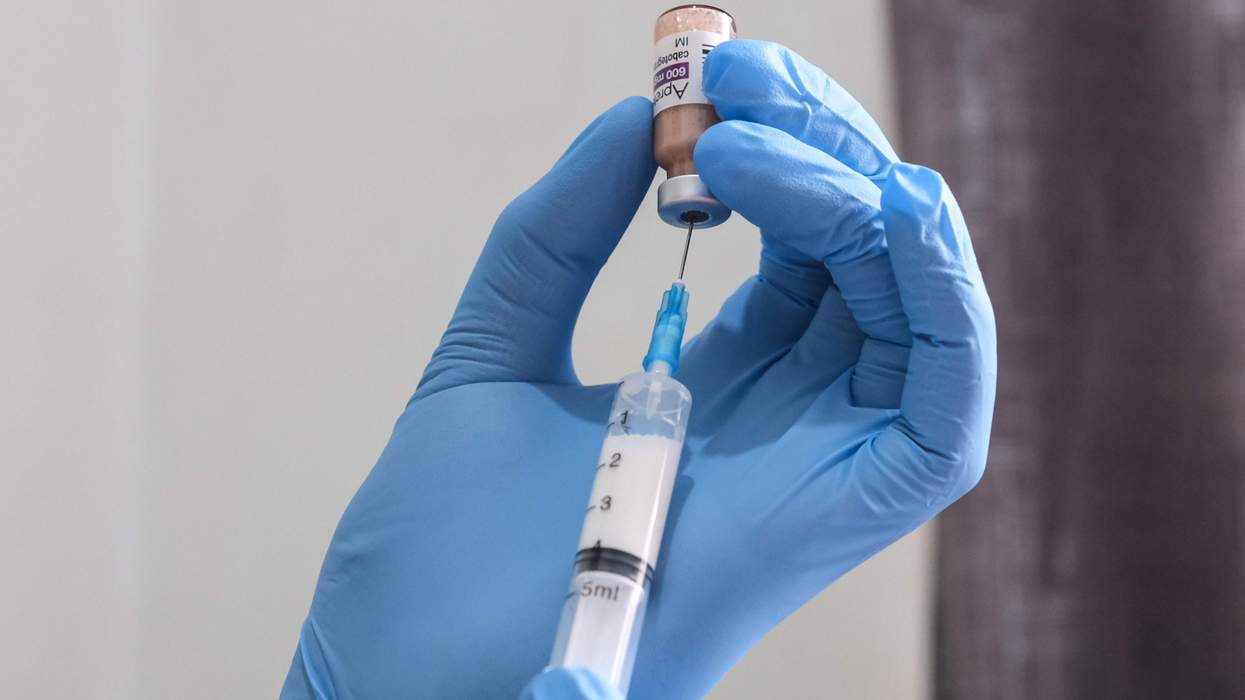
Struggling with daily HIV meds? Monthly shots may be the answer
March 20 2026 7:12 AM

Did you know over half of HIV-positive people in the world are female?
March 09 2026 6:47 PM
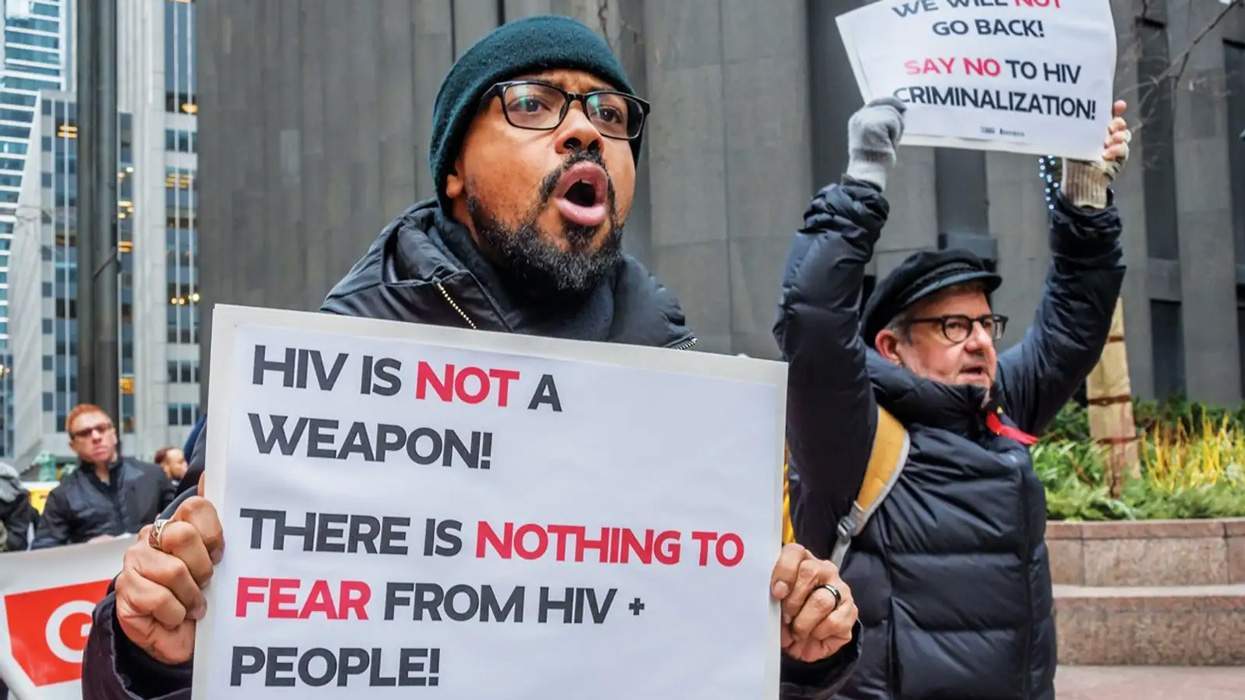
Why are Black people still the most affected by HIV criminalization?
February 27 2026 8:44 PM

What to know about HIV testing and treatment if you’re Black and LGBTQ+
February 24 2026 9:04 AM

6 Black activists who changed the HIV/AIDS response in America
February 09 2026 9:55 AM

National Black HIV/AIDS Awareness Day: a time for action on many fronts
February 07 2026 3:49 PM

Black Americans are disproportionately criminalized for living with HIV. Here's how
February 06 2026 4:26 PM
13 Black community organizations fighting HIV in the U.S. you should know
February 03 2026 10:45 AM

Meet the activist who wants people living with HIV to know they’re still sexy
January 28 2026 10:02 AM
An HIV breakthrough is here. Let's not let it go to waste
January 21 2026 12:40 PM


HIV-positive men stage 'Kiss-In' protest at U.S.-Mexico border
December 01 2025 12:56 PM
Trending stories















Recommended Stories for You