Treatment GuideJust DiagnosedSex & DatingAfrican AmericanStigmaAsk the HIV DocPrEP En EspañolNewsVoicesPrint IssueVideoOut 100
CONTACTCAREER OPPORTUNITIESADVERTISE WITH USPRIVACY POLICYPRIVACY PREFERENCESTERMS OF USELEGAL NOTICE
© 2026 Pride Publishing Inc.
All Rights reserved
All Rights reserved

By continuing to use our site, you agree to our Privacy Policy and Terms of Use.

Twitter. YouTube. Facebook. MySpace. Podcasts. Skype. To many people, these names might sound like a foreign tongue. But a new generation of HIVers and activists is not only fluent in the language of social media and digital communication but also using it more than ever before to inform, connect with, and support their peers. While 20 years ago a person with HIV had to physically volunteer at an AIDS service organization, attend a support group, or join an activist organization like ACT UP to meet others living with the virus, HIVers today can simply plop down in front of their computers and find a supportive, thriving community right at their fingertips. 'What most people do when they've been diagnosed is to jump onto Google and start trying to find as much information as they can,' says Philadelphian Robert Breining about the role the Internet plays in most HIVers' lives. 'But people want more than all that medical information. They want to talk with someone like themselves -- who is feeling the same pain and experiencing the same feelings. So I started thinking, Wouldn't it be great if there was a place like Facebook or MySpace for HIV-positive people where they could do all of that?' And more and more, it's the everyday person, like 30-year-old Breining -- and not big corporate entities -- who is creating cross sections of socializing and information sharing for others just like themselves. In October 2007, Breining launched POZIAM, a free website where users post profiles and photos, send personalized notes, use online chat, create their own blogs, and access message boards. Breining expanded the site a few months later to include a weekly Internet radio broadcast, which today he cohosts with fellow HIVers Jeromy Dunn and former Project Runway star Jack Mackenroth. Other free websites -- like BeOneCity.com, launched in 2008, and SINMen.net, a networking website created in 2009 by Bryan Levinson, the founder of the global organization Strength in Numbers, similarly provide numerous Facebook-like interactive functions to help HIVers connect with each other. But social networking sites are just one of the myriad ways HIVers are using state-of-the art digital technology to connect to and communicate with each other. For example, Sherri Lewis, better known as Sherri Beachfront of the '80s pop band Get Wet, has created a library of dozens of her Straight Girl in a Queer World podcasts. [Lewis's collection is hosted by Here! Networks, which is part of Here Media, the parent company of HIV Plus.] She says her aim was to look beyond the clinical aspects of HIV disease to 'how to live life with HIV' through an entertainment talk show that includes red-carpet events, celebrity guests, and other HIV-positive people. Then, there is 21-year-old Augusta, Ga., political science student Johnathan Shaw, who has a YouTube channel called 'Positively Johnathan,' where he posts a video blog, or 'vlog,' about his first year of living with HIV. Similarly, 30-year-old Laurel, Md., HIVer Justin B. Terry-Smith maintains a mixed-media blog called 'Justin's HIV Journal,' which addresses a variety of social and political issues in addition to his life with HIV. Even AIDS service organizations are embracing digital media in new and unexpected ways. While virtually every mid- to large-size ASO has a dedicated website or even multiple sites for specific agency programs or fund-raisers, the Los Angeles Gay and Lesbian Center in 2008 began charting new online territory with its ongoing Internet-based soap opera, In the Moment. The series 'webisodes' (a new batch of which began rolling out in February) provide HIV-prevention and harm-reduction messages by following a group of young men as they deal with issues like HIV and STDs, safer sex, drug abuse, sex addiction, and infidelity, among others. The series allows the Los Angeles agency to reach a generation of gay men who are significantly more likely to spend their free time online than attending the agency's in-person support groups and other programs, says Susan Cohen, director of the center's Health Education and Prevention department. 'The bottom line,' she says, 'is that we need to access the community where it is -- and that's online.' But while HIV-positive bloggers, vloggers, and social-networking site creators are also keenly aware of the ever-increasing reach of digital media, particularly among youth and young adults, the reasons many choose to begin their online endeavors are often far more personal than practical. 'I actually find it's much easier to deal with my own HIV by being open about it. It's cathartic,' says Shaw, who in addition to launching his YouTube vlog in March 2009 just three months after his diagnosis also disclosed his serostatus on Facebook only a week after he learned he was HIV-positive. 'And if my story helps others too, then all the better.' Terry-Smith says he began his blog mostly as a way to give HIVers like himself a voice in the digital realm. 'I looked around and I didn't see any young African-American gay men reaching out online. No one else was doing this,' he explains. For Breining, a major goal of his website and radio program, he says, is to show other HIVers that it's possible to live a long, healthy, and productive life with the disease. 'I want to give people hope,' he states simply. 'I want them to see that it's not all gloom and doom, sickness and death.' Many of these hopeful messages are aimed specifically at newly diagnosed HIVers, who tend to join digital communities and follow bloggers and vloggers in large numbers because they're able to share as much -- and, perhaps more important, as little -- personal information about themselves as they choose online. 'A lot of people are uncomfortable or really afraid to have someone they know find out that they're HIV-positive, but they're still looking for support or friendship or just someone who understands what they're going through,' explains Breining, who allows POZIAM users to shield their identities. 'Now they can go online and share as much or as little about themselves and still get what they need.' But the relative anonymity of cyberspace also has a significant downside -- the ability for social media users, even onetime visitors to a site, to leave offensive public comments. That very situation almost derailed Terry-Smith's online video blog, 'Justin's HIV Journal,' shortly after his very first entry. 'The first comment I got was horrible,' Terry-Smith recalls. 'A guy basically said, 'So you got poked by a dirty dick. So what?' I almost took the video down because I thought those were the only kinds of comments I was going to get. But then, maybe two minutes later, I got a comment from someone who loved the blog and planned to keep following it. Then I got another comment like that, then another.' Shaw has also been the target of disparaging feedback. 'Some people have suggested I'm doing this to try to become famous,' he says with a laugh. But by and large, he notes, the reaction has been complimentary. And sometimes it's downright astonishing. 'I had gotten an e-mail from this guy who was really depressed since he had gotten HIV and was actually thinking of taking his life,' Shaw recalls. 'But he said he found my blog and connected with my message that you can live a full life with HIV and you don't need to be treated any differently than anyone else. He said that gave him a whole new perspective and that he's now committed to making his life better. That made me feel really good, like I'm truly making a difference.'


From our Sponsors
Most Popular

The road to U=U: How science has been liberating HIV+ people for a decade
July 01 2026 12:05 PM

Newly diagnosed with HIV? Advocates share their best advice for seeking treatment
April 29 2026 3:32 PM
How to find an HIV-competent healthcare provider, according to advocates
May 19 2026 4:55 PM
Plus: Featured Video
Latest Stories
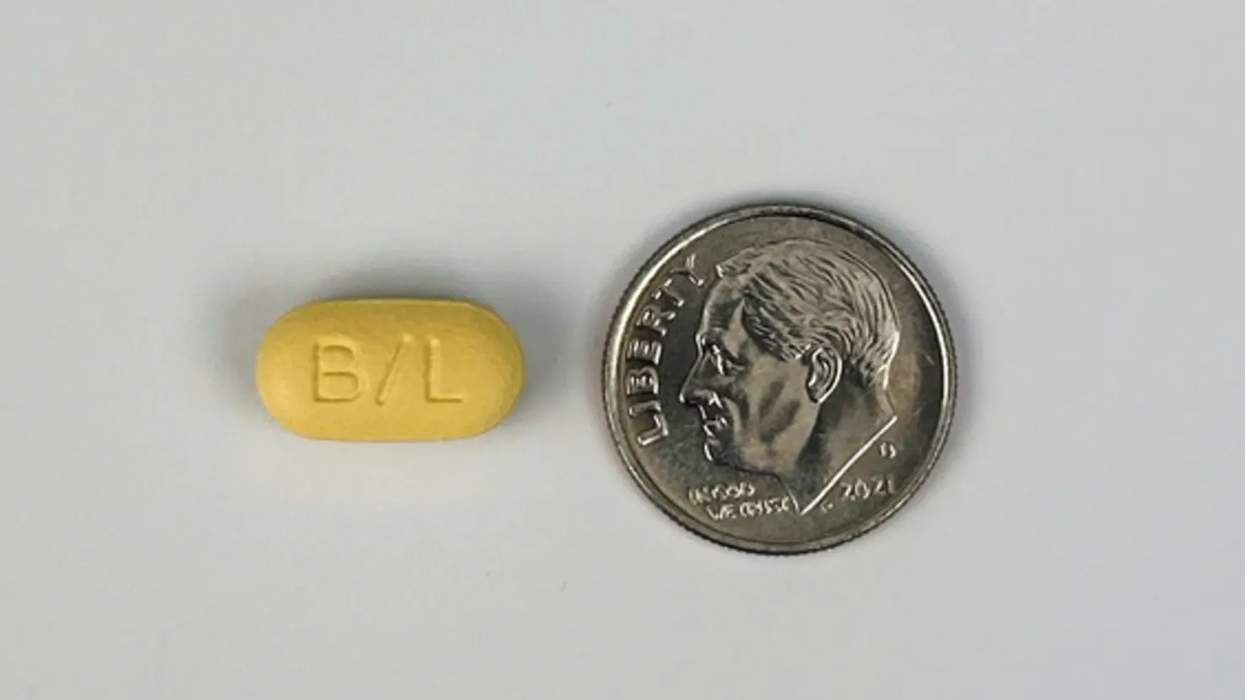
A New Once-Daily Pill to Treat HIV Just Got the FDA’s Green Light
August 31 2026 2:31 PM
Why affirming faith communities belong in the fight to end HIV
August 30 2026 8:00 AM

Navigating a new HIV diagnosis? Advocates say community is key
August 25 2026 3:33 PM

Gay Wine Weekend toasts 15 years of raising funds for HIV
August 25 2026 11:00 AM



A new HIV diagnosis doesn't have to be nerve-wracking. Advocates share their advice
July 30 2026 12:01 PM
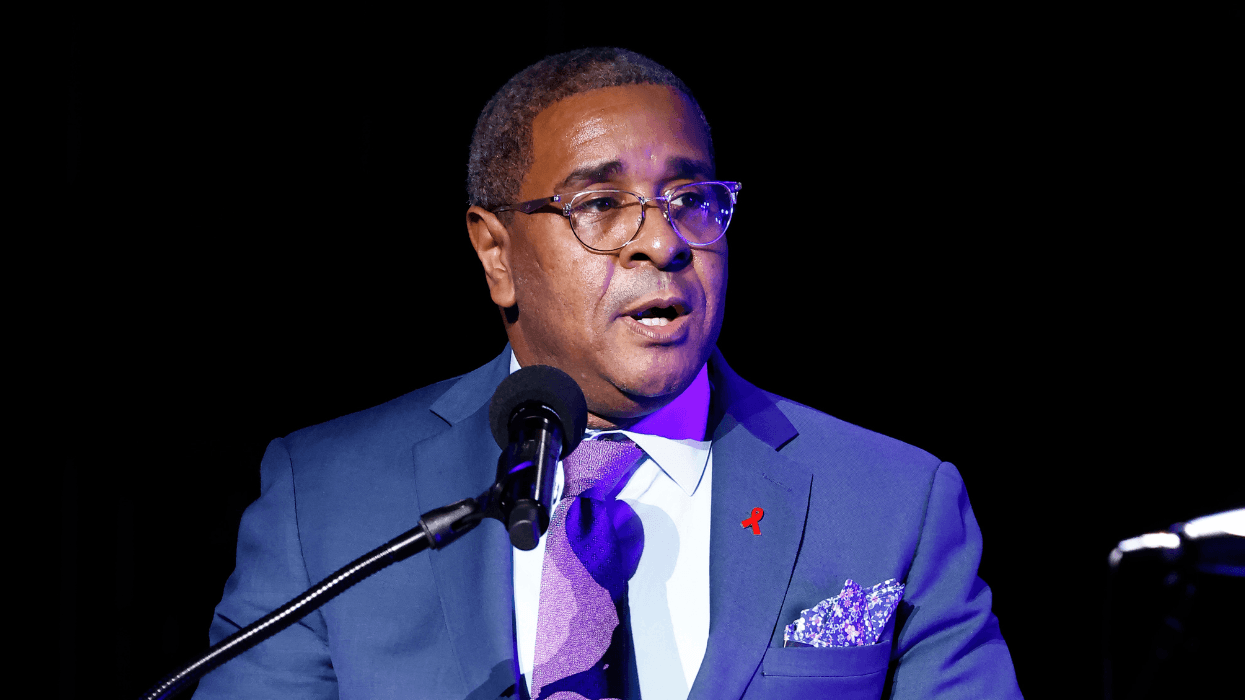
Zero HIV Stigma Day: The epidemic we still choose to ignore
July 21 2026 7:00 AM

National HIV Prevention Day: Awareness is my superpower
July 17 2026 8:00 AM

Federal court clarifies that people with HIV can join the military again
June 03 2026 5:36 PM
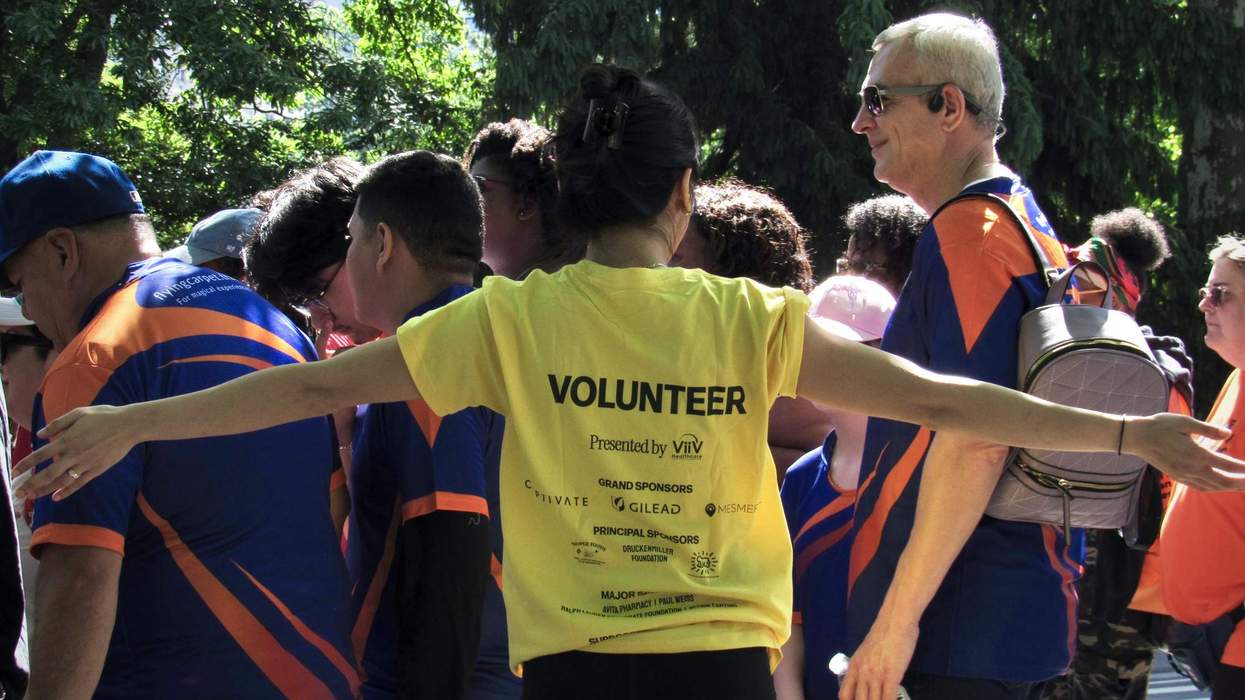
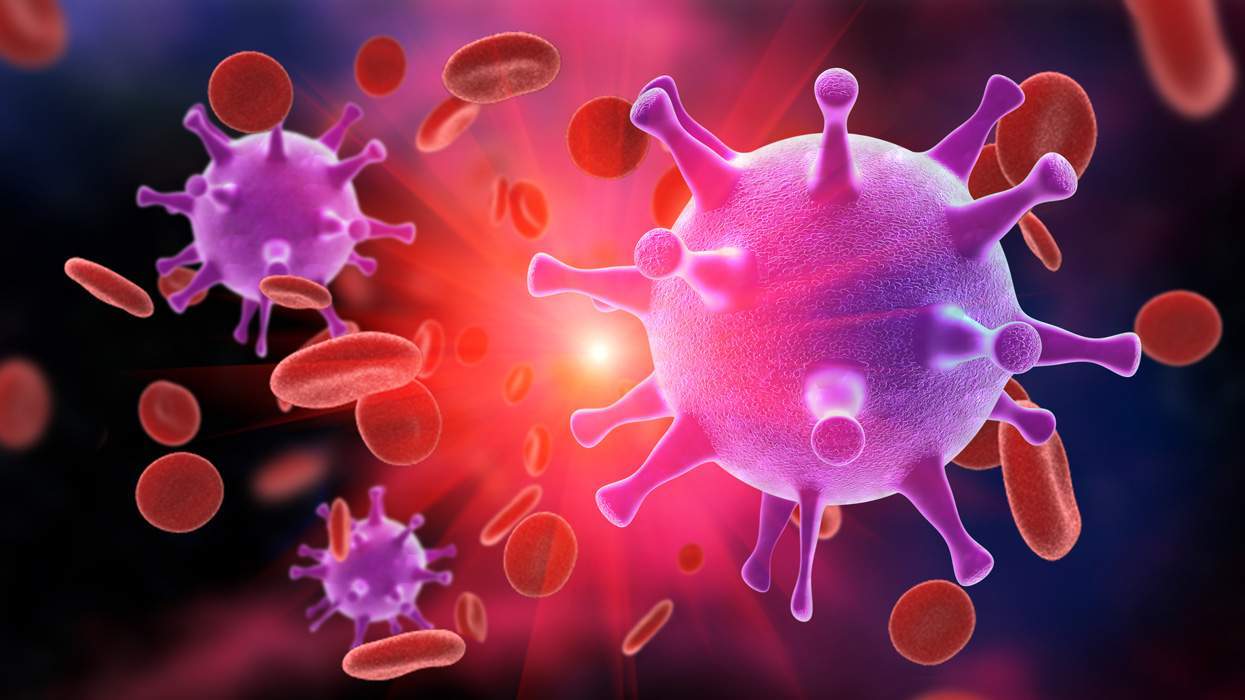
Can a single infusion of immune cells suppress HIV for years?
May 11 2026 11:39 AM

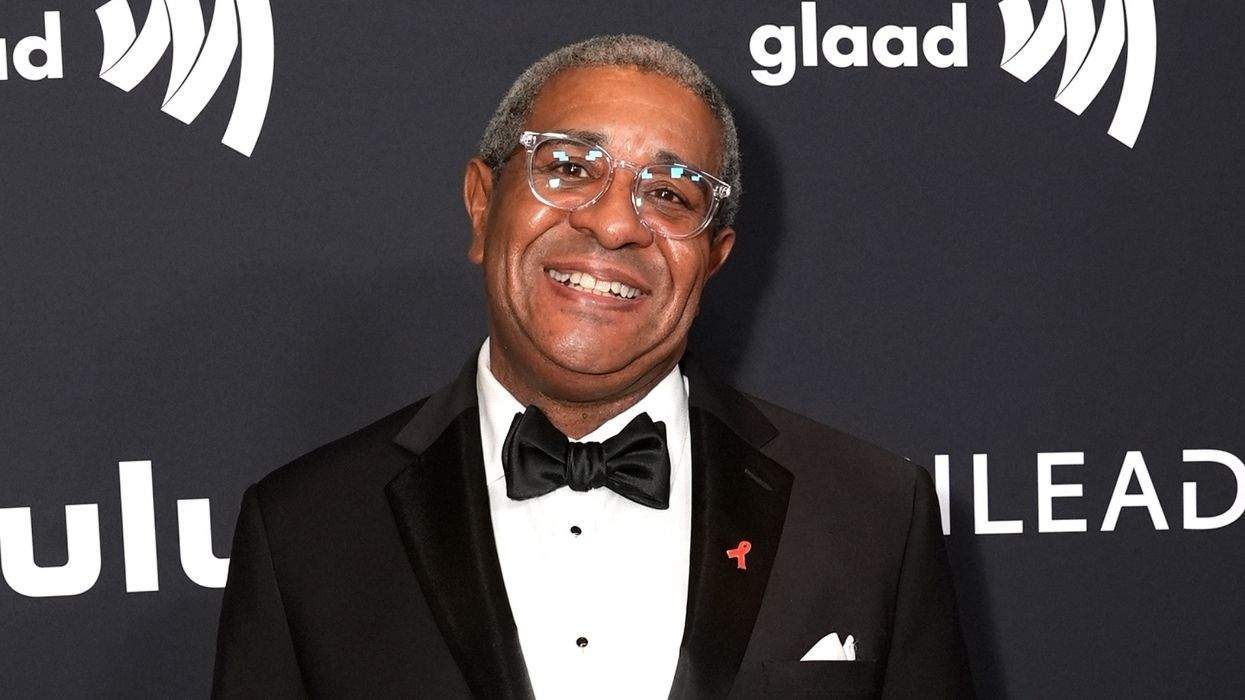
National HIV advocacy group's CEO rejects claims of crisis
April 21 2026 5:14 PM


Beyond awareness: How youth leadership is reshaping the HIV response
April 10 2026 9:12 AM
Saving public health? AIDS United's new CEO has a plan
March 23 2026 9:48 AM
Struggling with daily HIV meds? Monthly shots may be the answer
March 20 2026 7:12 AM

Trending stories













Recommended Stories for You