Treatment GuideJust DiagnosedSex & DatingAfrican AmericanStigmaAsk the HIV DocPrEP En EspañolNewsVoicesPrint IssueVideoOut 100
CONTACTCAREER OPPORTUNITIESADVERTISE WITH USPRIVACY POLICYPRIVACY PREFERENCESTERMS OF USELEGAL NOTICE
© 2026 Pride Publishing Inc.
All Rights reserved
All Rights reserved

By continuing to use our site, you agree to our Privacy Policy and Terms of Use.

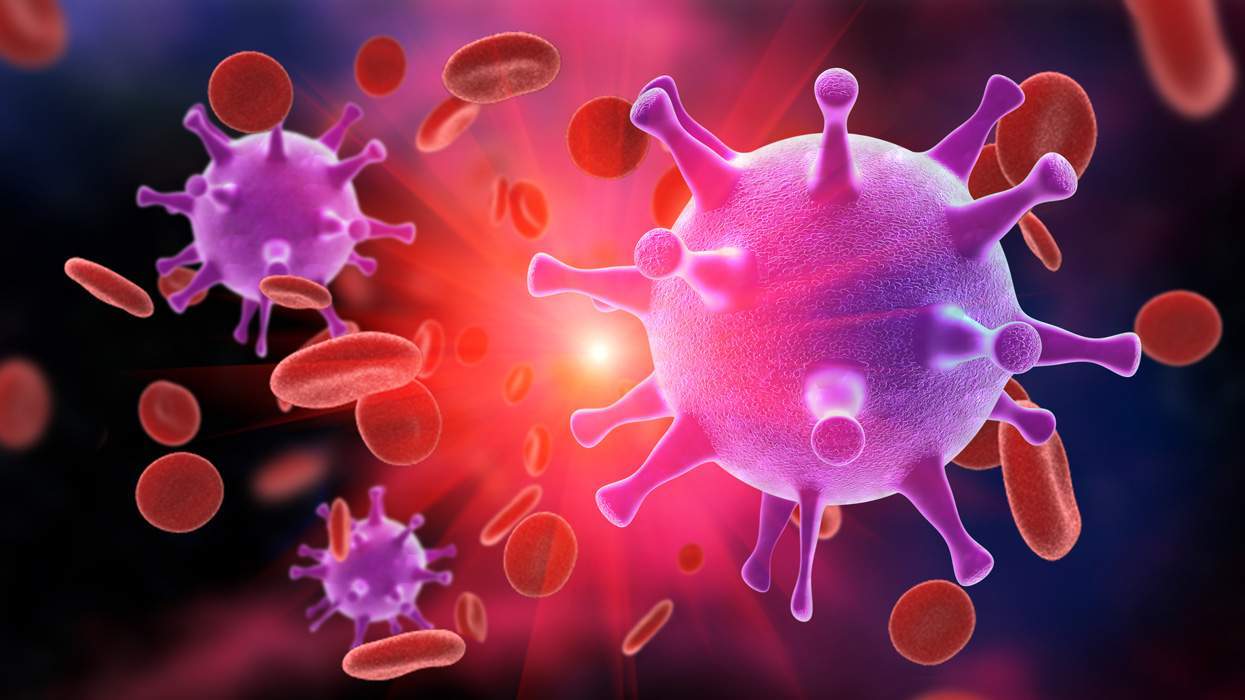
Like hobos on a train, HIV uses a preexisting transport system to leave one infected cell and infect new ones, according Johns Hopkins Medicine scientists have discovered. Their findings, published in the June issue of PLoS Biology, counter the prevailing belief that HIV and other retroviruses can leave and enter cells by virus-specific mechanisms only. 'Cells make HIV and other retroviruses by a naturally occurring export mechanism,' says Stephen Gould, professor of biological chemistry at Johns Hopkins. Cells normally export certain membrane-bound molecules by means of small sacs known as exosomes. 'Surprisingly, all that's needed for a protein to get out of the cell in exosomes are the ability to clump together and attach to the cell's membrane.' In one experiment Gould and his team added chemicals to normal human cells that force nearby proteins together into a clump; this was enough to get them sent out of the cell in exosomes. If they added a tether to force naturally clumping proteins inside the cell to the membrane, the proteins met a similar exosomal deportation fate. Gag, a major HIV protein, has both of these properties that cells sense in selecting exosomal cargoes. When the researchers removed the tethers or clumping signals from Gag, it could no longer get out of the cell to eventually infect others. However, if they were replaced with synthetic membrane anchors and clumping domains, Gag regained its ability to get out of cells in exosomes. Gould speculates that cells may have initially developed exosomes as a quality control mechanism to get rid of clumped proteins, which are generally broken and useless. However, just as retroviruses exploit other cell processes for their own ends, it appears that they rely on exosomes to get out of infected cells and infect fresh cells. Because of this, researchers say, medications that interfere with exosome formation could be one way to inhibit HIV infections.


From our Sponsors
Most Popular

Newly diagnosed with HIV? Advocates share their best advice for seeking treatment
April 29 2026 3:32 PM

How to find an HIV-competent healthcare provider, according to advocates
May 19 2026 4:55 PM
Plus: Featured Video
Latest Stories

Navigating a new HIV diagnosis? Advocates say community is key
August 25 2026 3:33 PM

A new HIV diagnosis doesn't have to be nerve-wracking. Advocates share their advice
July 30 2026 12:01 PM
Can a single infusion of immune cells suppress HIV for years?
May 11 2026 11:39 AM


National HIV advocacy group's CEO rejects claims of crisis
April 21 2026 5:14 PM


Beyond awareness: How youth leadership is reshaping the HIV response
April 10 2026 9:12 AM
Saving public health? AIDS United's new CEO has a plan
March 23 2026 9:48 AM
Struggling with daily HIV meds? Monthly shots may be the answer
March 20 2026 7:12 AM

Did you know over half of HIV-positive people in the world are female?
March 09 2026 6:47 PM
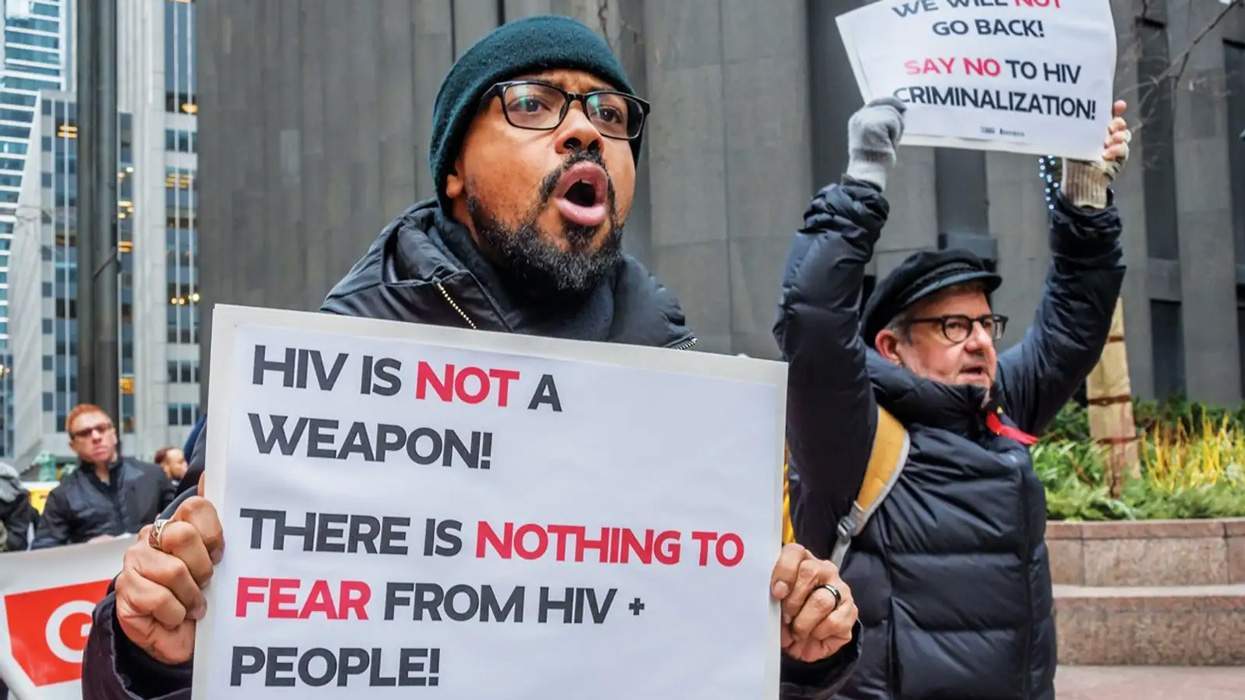
Why are Black people still the most affected by HIV criminalization?
February 27 2026 8:44 PM

What to know about HIV testing and treatment if you’re Black and LGBTQ+
February 24 2026 9:04 AM

6 Black activists who changed the HIV/AIDS response in America
February 09 2026 9:55 AM

National Black HIV/AIDS Awareness Day: a time for action on many fronts
February 07 2026 3:49 PM

Black Americans are disproportionately criminalized for living with HIV. Here's how
February 06 2026 4:26 PM

13 Black community organizations fighting HIV in the U.S. you should know
February 03 2026 10:45 AM

Meet the activist who wants people living with HIV to know they’re still sexy
January 28 2026 10:02 AM

An HIV breakthrough is here. Let's not let it go to waste
January 21 2026 12:40 PM


HIV-positive men stage 'Kiss-In' protest at U.S.-Mexico border
December 01 2025 12:56 PM
Trending stories















Recommended Stories for You