The Switch
“I felt like a butterfly”: Niko Flowers on reclaiming life with HIV

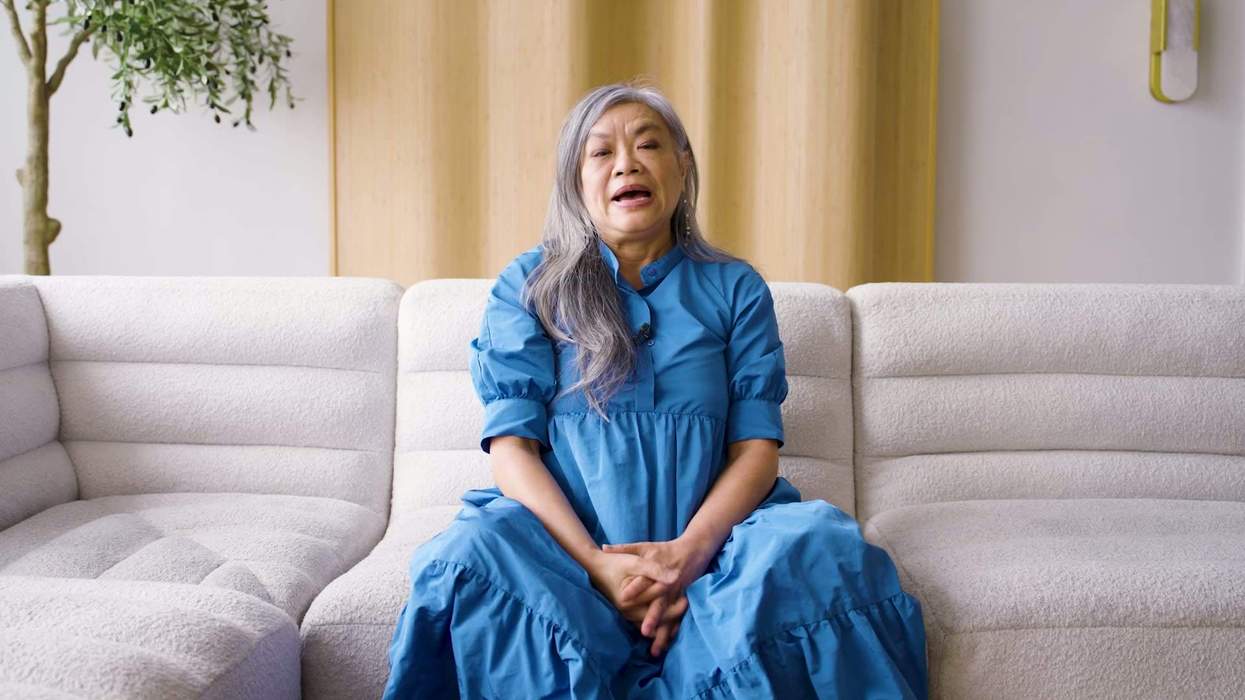
The Switch Episode 2: Niko Flowers
From South Carolina shame to New York billboards, her story is one of survival and self-love.
July 23 2025 12:22 PM EST
By continuing to use our site, you agree to our Privacy Policy and Terms of Use.
From South Carolina shame to New York billboards, her story is one of survival and self-love.
The Switch is a video series sharing positive lifestyles and health routines to help you thrive while living with HIV. Listen to our guests living with HIV talk candidly about the positive switches they have made in their daily lives, including their approach to HIV treatment. Watch more episodes here.
When Niko Flowers discovered her HIV status at 19 during her sophomore year in college in Columbia, S.C., in the 1990s, the only thing she knew about the virus was from her high school health class: “Only gay people, drug users, and the promiscuous get HIV.”
“I was none of the three,” said Flowers, a heterosexual, previously needle-fearing woman.
At the time, Flowers believed she was in a monogamous relationship with a fellow student. She was notified about a potential HIV exposure through partner notification from the health department, prompting her to get tested. Weeks later, a nurse delivered the news — without empathy — while filing papers.
“She told me ‘I don’t know why you’re crying. You should have thought about what you were doing when you were doing it,’” Flowers recalled. “So I thought I deserved it.”
Devastated and convinced she would die, Flowers kept her status a secret for four years. She spiraled into depression, feeling like “stained cargo,” unworthy of love or acceptance.
“There was basically no information about HIV at the time,” she said. “I thought I was literally the only person living in South Carolina with HIV. I had no proper care or treatment.”
When Flowers finally revealed her status to her family, the reactions were harsh. Her father forced her to get retested. Overhearing her father and grandmother discuss funeral plans pushed her to act.
“Not on my watch,” Flowers thought. She called her mother in Brooklyn, pleading for help: “If I stay here, I’m going to die.”
That phone call marked a turning point. In New York, Flowers felt reborn.
“I felt like a butterfly,” she recalls.
She started treatment, joined support groups, and met other women openly living with HIV. Inspired by advocates like Rae Lewis-Thornton and Hydeia Broadbent, she found her calling in advocacy. She began speaking in schools and communities, determined to provide the accurate information she never received.
Today, Flowers works at Alliance for Positive Change and also serves as a spokesmodel for HIV Stops With Me. Her face beams from billboards across Queens, a symbol of survival and defiance.
“I’m the first person people see when they come to the Alliance for Positive Change,” she said. “I usher them into care, into hope.”
Her advice is clear and compassionate: find something to live for — a goal, a dream, a loved one — and stay in care.
“Life doesn’t stop because of HIV,” said Flowers. “It’s like your plane has already taken off — you’re the captain. You land that thing. You’re in charge of your health and your story.”