All Rights reserved

By continuing to use our site, you agree to our Privacy Policy and Terms of Use.

Unemployment is up. Foreclosures and evictions are on the rise. Retirement accounts have been devastated. And in just a few days a new administration under President Barack Obama will set up shop in Washington, charged with turning the economy around. But will it be able to? No one really knows, unfortunately, and that's enough to make HIVers worry themselves sick. Literally. 'Stress can make diseases worse. It can allow others to take hold,' says Miami psychiatrist Scott Segal. 'There are a lot of bad consequences related to stress, and that's why it's so important for HIV-positive people'who are already under considerable stress dealing with their disease'to reduce it.' So if the economy continues heading south for a while'and your finances go with it'there are some simple (and free!) steps to ensure that your health doesn't spiral downward with them. ''Tune out. If the torrent of 24/7 news about the economy stresses you out, take a break from it, says life coach Kirk Wilkinson, author of The Happiness Factor. 'Be a 'headliner' three days a week,' he advises, 'and on the other days let the news happen without you.' ''Be proactive. 'Look at ways to reduce your expenses,' Segal says. 'If you're having a hard time paying money you owe, meet with people at the bank or the credit card company to discuss possible solutions. Taking matters into your own hands goes a long way toward reducing stress and feelings of being powerless.' ''Engage in pleasurable activities. 'Listen to music. Read. Write in your journal. Meditate. Engage in spiritual or religious pursuits. Make it a point to engage in activities that you find enjoyable and relaxing,' Segal says. ''Exercise. Studies show that physical activity boosts levels of feel-good endorphins and lowers symptoms of depression and anxiety. 'Go for a brisk walk. Perform relaxation exercises. Even 15 minutes a day will make a big difference,' says therapist Anthony D. Parnell, author of The Seven Laws of Stress Management. ''Learn to be low-key. 'I counsel people to step back, take a breath, and say out loud, 'I choose to underreact to this,' ' Wilkinson says. 'Underreacting doesn't make the stressor less serious or important, but it enables you time to form a more appropriate response'one that isn't a danger to your personal health.' ''Be grateful. 'Write down all of the positive people, places, and things in your life,' Parnell says, 'and focus on that list to bring positive energy to yourself.' ''Know your strengths. 'People with HIV have already been dealt some of the worst news anyone can be given, but they've coped; they've survived,' Wilkinson says. 'Remind yourself that you're stronger than you think you are.'


From our Sponsors
Most Popular
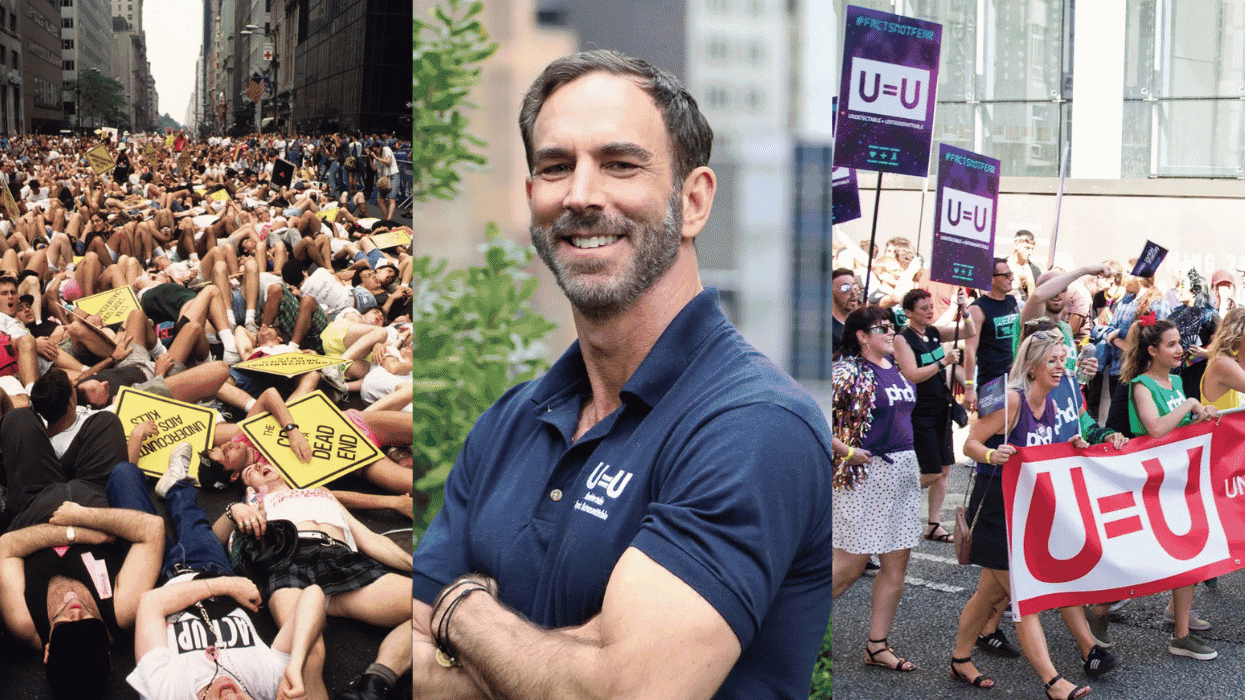
The road to U=U: How science has been liberating HIV+ people for a decade

Newly diagnosed with HIV? Advocates share their best advice for seeking treatment

How to find an HIV-competent healthcare provider, according to advocates
Latest Stories
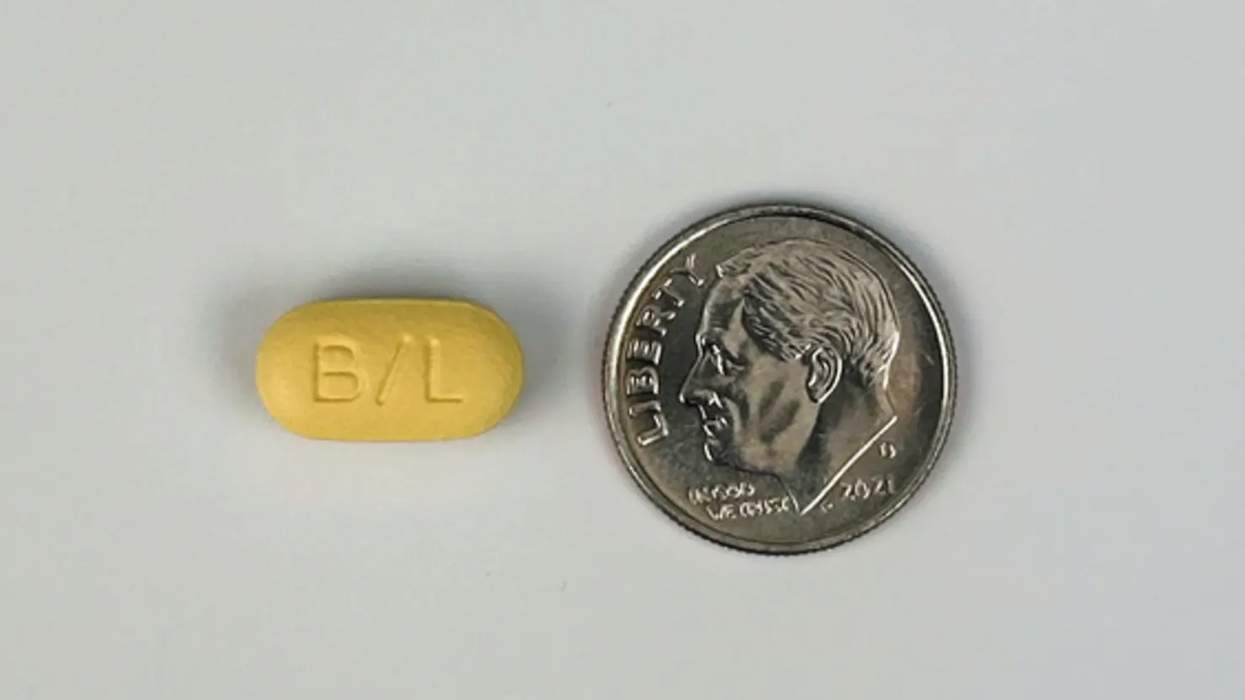
A New Once-Daily Pill to Treat HIV Just Got the FDA’s Green Light
Why affirming faith communities belong in the fight to end HIV

Navigating a new HIV diagnosis? Advocates say community is key

Gay Wine Weekend toasts 15 years of raising funds for HIV



A new HIV diagnosis doesn't have to be nerve-wracking. Advocates share their advice
Zero HIV Stigma Day: The epidemic we still choose to ignore

National HIV Prevention Day: Awareness is my superpower
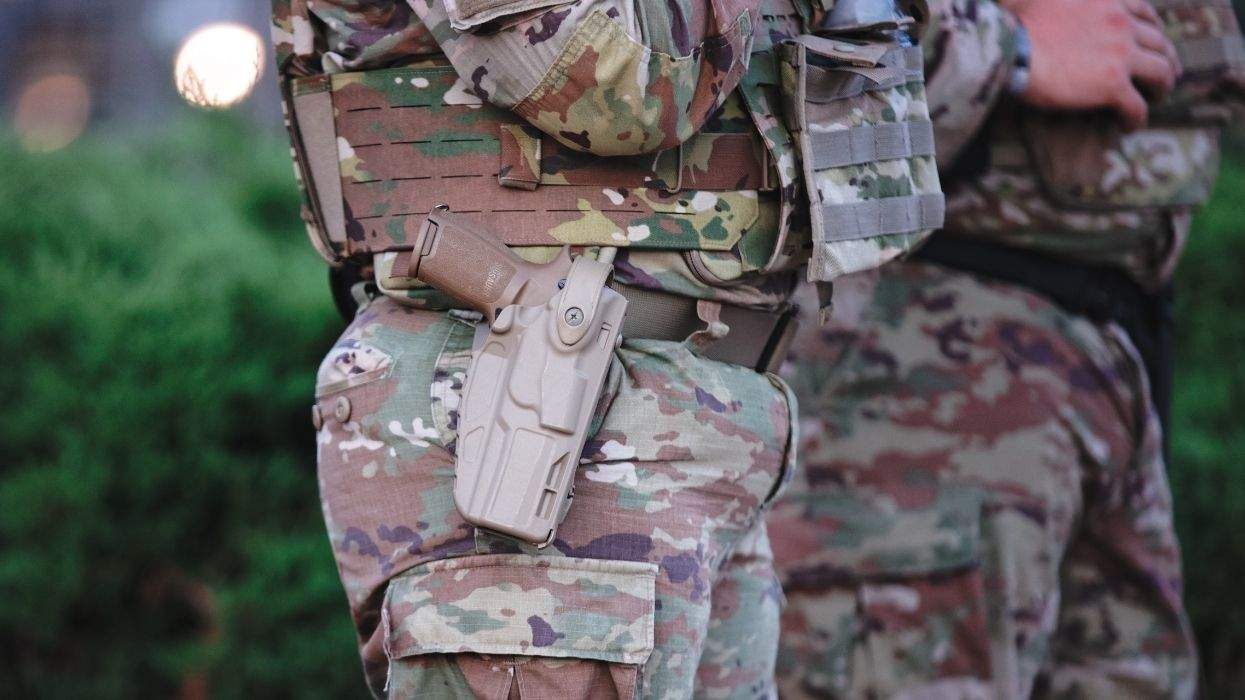
Federal court clarifies that people with HIV can join the military again
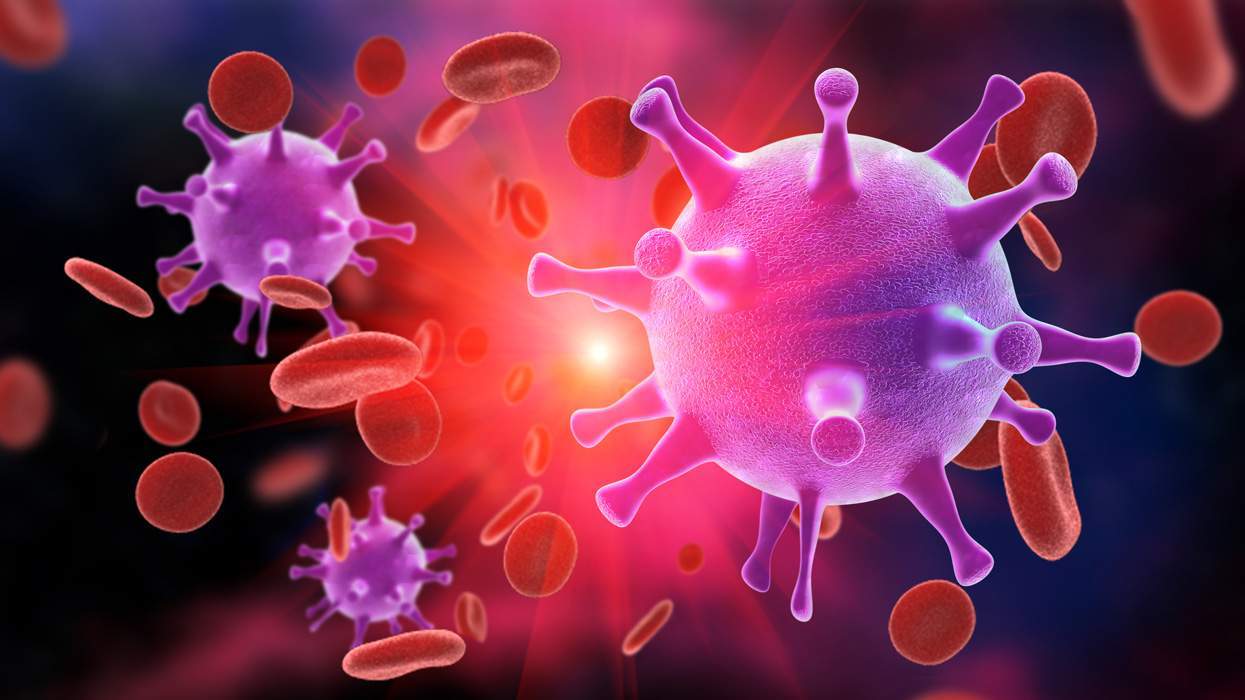
Can a single infusion of immune cells suppress HIV for years?


National HIV advocacy group's CEO rejects claims of crisis


Beyond awareness: How youth leadership is reshaping the HIV response

Saving public health? AIDS United's new CEO has a plan
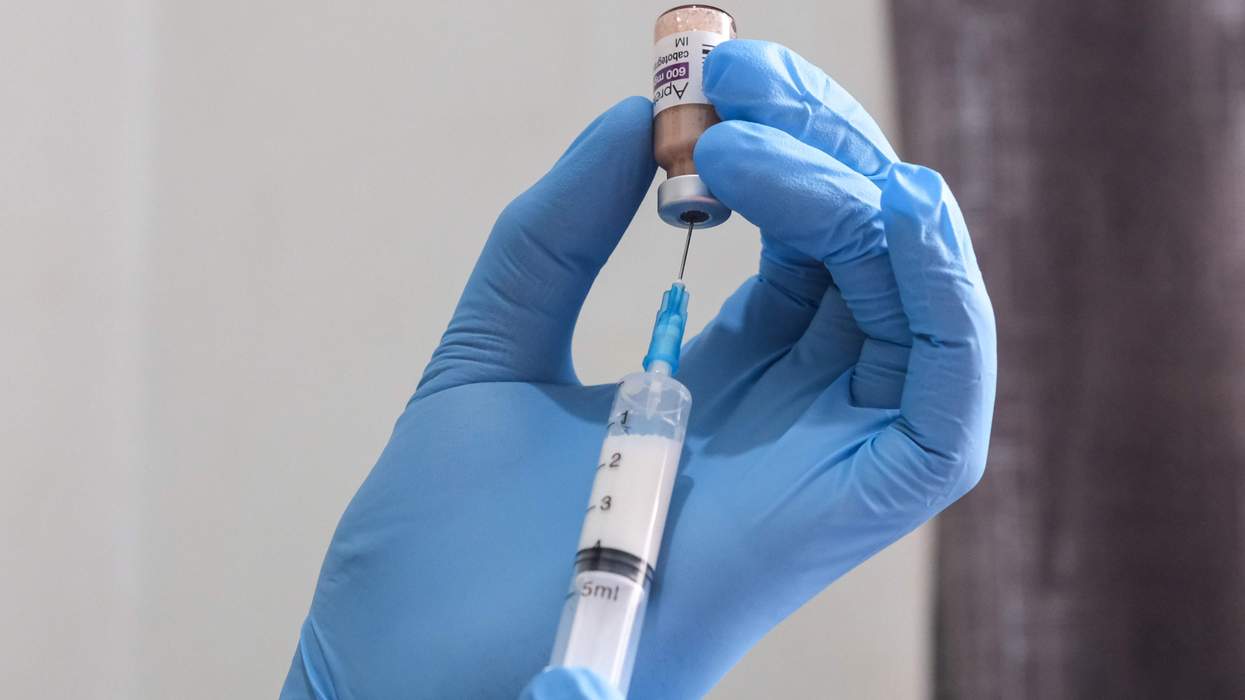
Struggling with daily HIV meds? Monthly shots may be the answer

Trending stories














Recommended Stories for You