Treatment GuideJust DiagnosedSex & DatingAfrican AmericanStigmaAsk the HIV DocPrEP En EspañolNewsVoicesPrint IssueVideoOut 100
CONTACTCAREER OPPORTUNITIESADVERTISE WITH USPRIVACY POLICYPRIVACY PREFERENCESTERMS OF USELEGAL NOTICE
© 2026 Pride Publishing Inc.
All Rights reserved
All Rights reserved

By continuing to use our site, you agree to our Privacy Policy and Terms of Use.

Whodathunk the nightmare of still searching for an apartment in New York City would be a welcome diversion from my life's real drama'deciding whether to start taking my AIDS meds. I've been procrastinating over this decision since September 2003 while I was enduring the shock of learning that after 13 years of coping with HIV, I had progressed to an AIDS diagnosis. Taking the drugs might be a no-brainer to some, but for me, the answer ain't so easy. For every Lazarus tale I've heard from my AIDS-med'taking comrades, there's been a warning from a survivor of the debilitating side effects. My current doctor in Manhattan says I should follow her recommendation'choke down the drugs'but I've been fighting that default position by health care providers ever since I was diagnosed back in Chicago in 1990, way before viral load tests or protease inhibitors were federally approved. It took me two years to regroup and follow up with a physician at a Chicago public-health facility, and on my first and only visit there the doctor told me that AZT was my best lifesaving option. I took pause, though, because I'd known or heard of too many boyz in my hood who had died early on while taking the treatment. Rumors perpetuated by the Nation of Islam and local holistic therapists said that blacks were dying because of the drug's toxic side effects. Weighing a choice between listening to my doomsayer doctor'who predicted that, even taking AZT, I wouldn't live beyond five years'or following my gut instinct, which said not to, the decision seemed obvious. I didn't see a doctor for another five years. In 1997, heartened by Magic Johnson's continued optimism about living long with HIV, I started over at a new clinic. The new drug cocktails trumpeted in the media also compelled me'but I wasn't sold. It wasn't long before my doctor and I were in a deadlock. I balked at his insistence that I immediately begin the barely approved therapy; he thought I was stubborn for not accepting the long list of potential side effects as par for the course. Some veterans at an African-American HIV support group that I attended labeled my actions as classic denial, but I saw it as cautionary. No matter, I had numbers on my side: a T-cell count of 800 and a viral load of only 8,000. According to government guidelines, meds were still unnecessary. I felt vindicated by my stance in 1999 after switching to a third clinic. I'd reached the holy grail of AIDS care'an undetectable status'and did so while remaining treatment-naive. On my progress notes my nurse scribbled that I was 'stable and possibly a long-term nonprogressor,' but even my being a medical anomaly didn't make her bat an eyelash. Whatever I was experiencing, she shrugged, was probably temporary and not worth her interest or enthusiasm. Already leery of the medical establishment, I had a hard time trusting her judgment after that or following her recommendation to start taking meds when my virus rebounded. That nurse was the last health care provider I saw before I moved from Chicago to New York in 2000. Since then it's been a slippery slope. My T-cell count has plummeted to 40, a dangerously all-time low, and my viral load has spiked to 230,000. I've argued against taking meds for so many years that now, with my numbers stacked against me, I find it hard to stop. I keep weighing potential side effects against the ill alternative'opportunistic infections'and I can't decide which is worse to my mind. I just can't decide. Whitfield is one of the nation's leading journalists reporting on AIDS among African-Americans. A frequent Vibe contributor, he is based in New York City.


From our Sponsors
Most Popular

The road to U=U: How science has been liberating HIV+ people for a decade
July 01 2026 12:05 PM

Newly diagnosed with HIV? Advocates share their best advice for seeking treatment
April 29 2026 3:32 PM

How to find an HIV-competent healthcare provider, according to advocates
May 19 2026 4:55 PM
Plus: Featured Video
Latest Stories
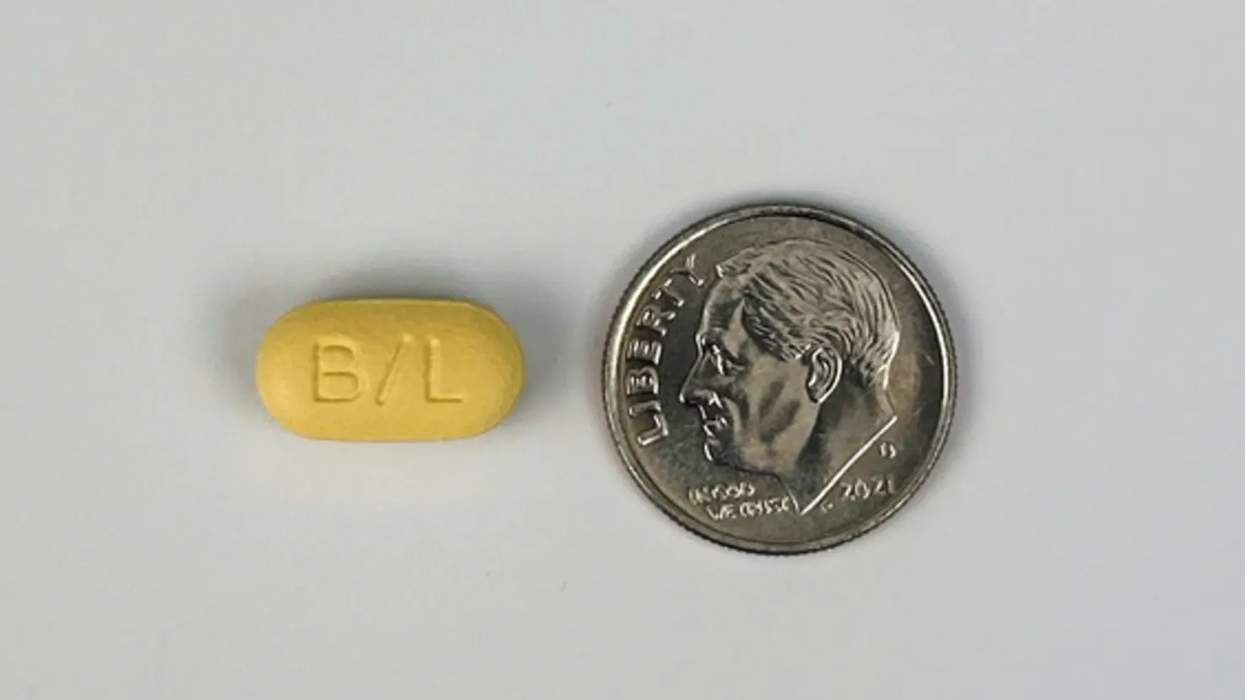
A New Once-Daily Pill to Treat HIV Just Got the FDA’s Green Light
August 31 2026 2:31 PM

Why affirming faith communities belong in the fight to end HIV
August 30 2026 8:00 AM

Navigating a new HIV diagnosis? Advocates say community is key
August 25 2026 3:33 PM

Gay Wine Weekend toasts 15 years of raising funds for HIV
August 25 2026 11:00 AM



A new HIV diagnosis doesn't have to be nerve-wracking. Advocates share their advice
July 30 2026 12:01 PM
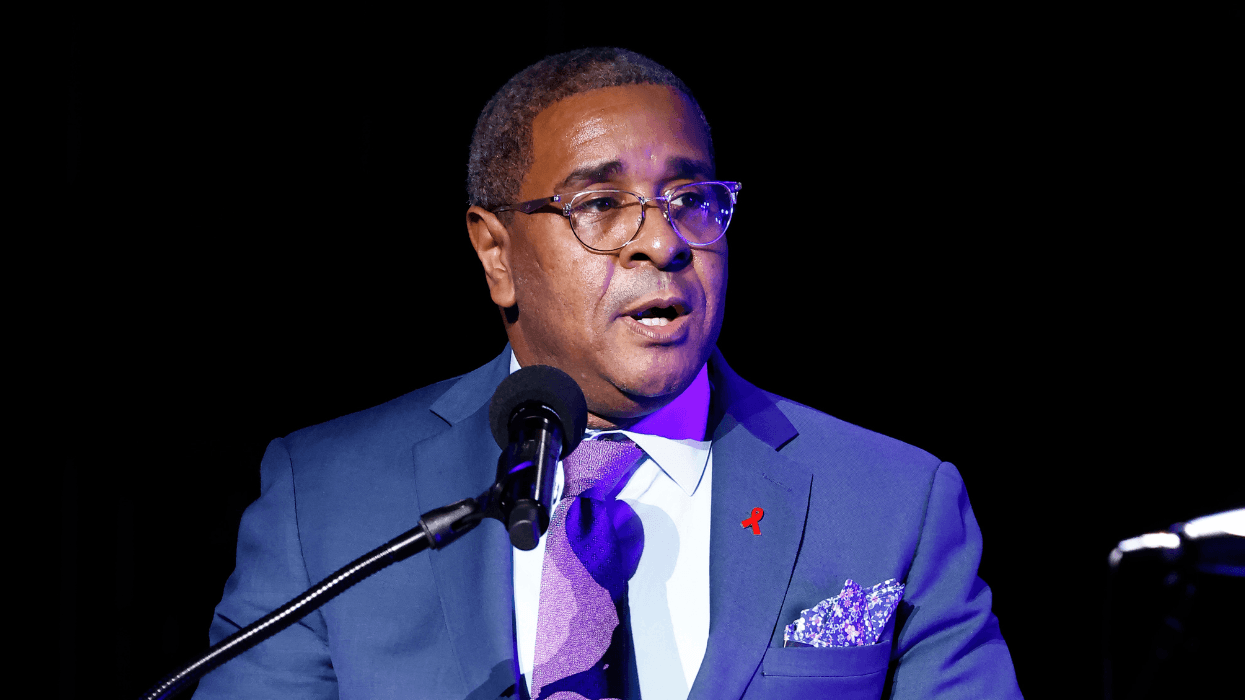
Zero HIV Stigma Day: The epidemic we still choose to ignore
July 21 2026 7:00 AM

National HIV Prevention Day: Awareness is my superpower
July 17 2026 8:00 AM

Federal court clarifies that people with HIV can join the military again
June 03 2026 5:36 PM
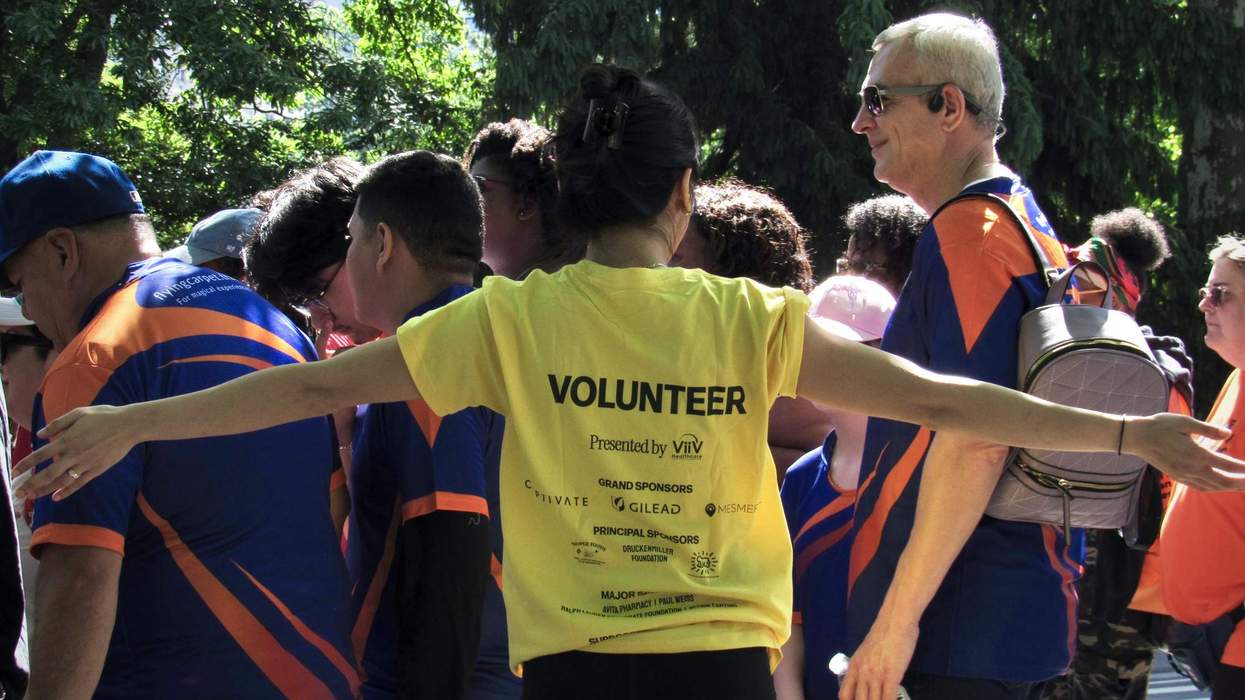

Can a single infusion of immune cells suppress HIV for years?
May 11 2026 11:39 AM


National HIV advocacy group's CEO rejects claims of crisis
April 21 2026 5:14 PM



Beyond awareness: How youth leadership is reshaping the HIV response
April 10 2026 9:12 AM
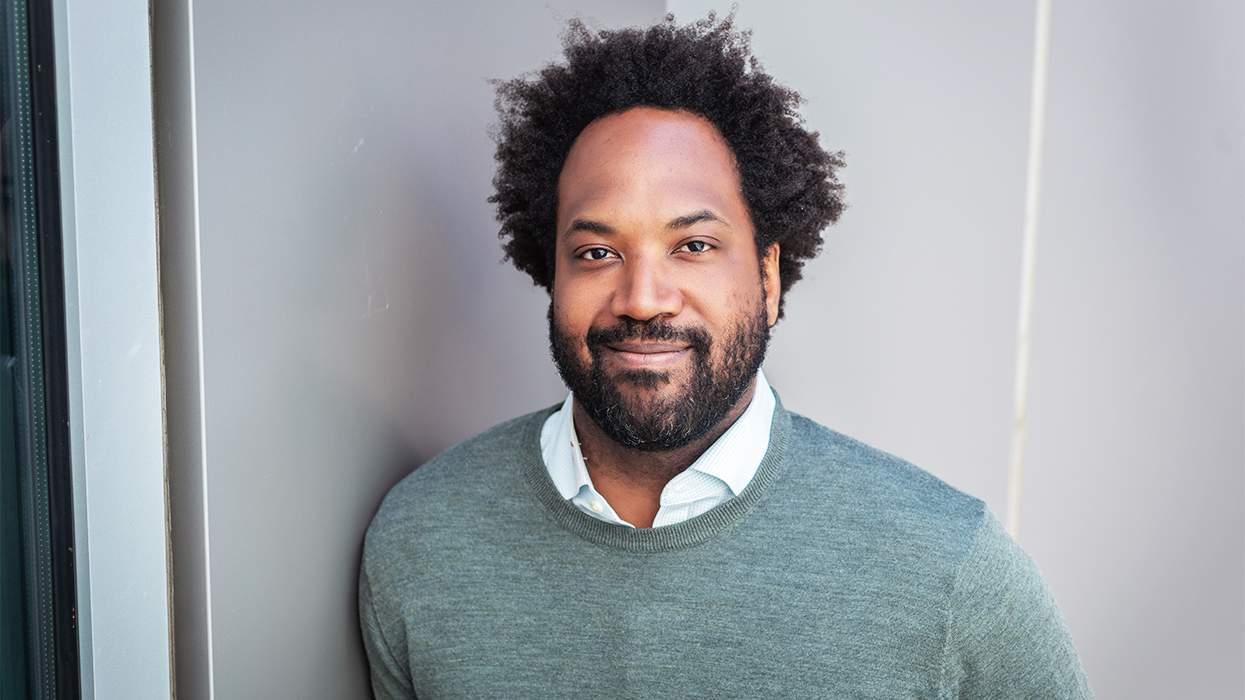
Saving public health? AIDS United's new CEO has a plan
March 23 2026 9:48 AM
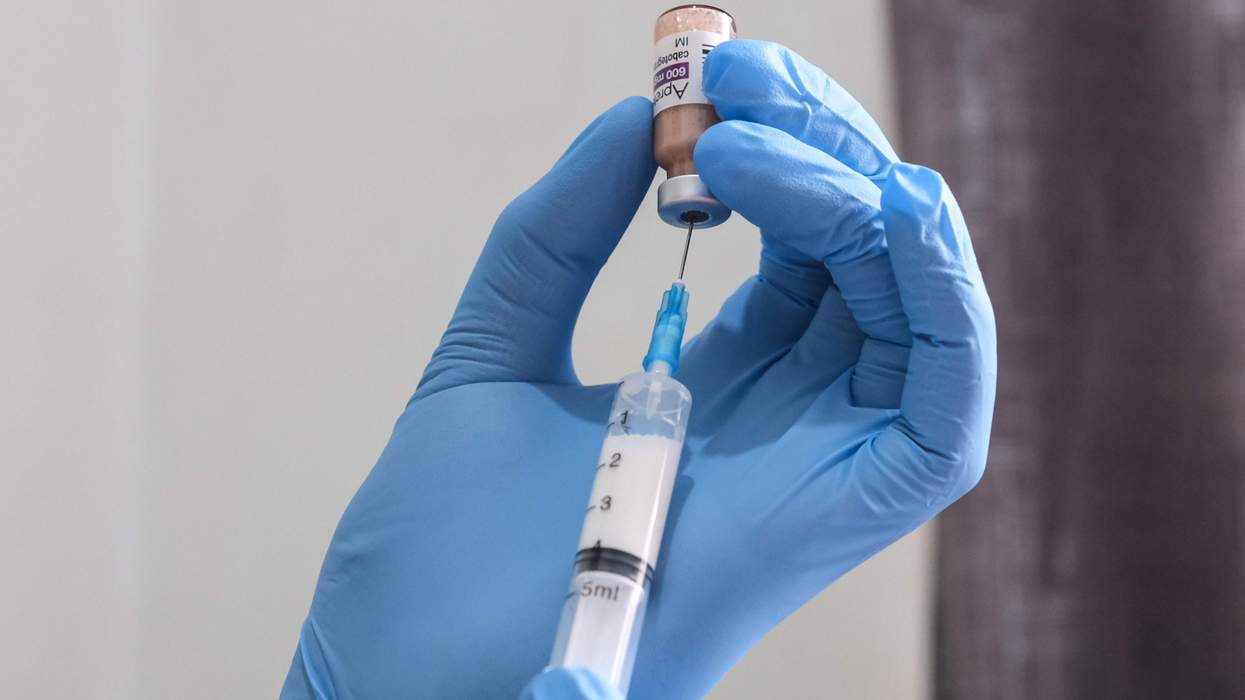
Struggling with daily HIV meds? Monthly shots may be the answer
March 20 2026 7:12 AM

Trending stories














Recommended Stories for You