Treatment GuideJust DiagnosedSex & DatingAfrican AmericanStigmaAsk the HIV DocPrEP En EspañolNewsVoicesPrint IssueVideoOut 100
CONTACTCAREER OPPORTUNITIESADVERTISE WITH USPRIVACY POLICYPRIVACY PREFERENCESTERMS OF USELEGAL NOTICE
© 2026 Pride Publishing Inc.
All Rights reserved
All Rights reserved

By continuing to use our site, you agree to our Privacy Policy and Terms of Use.

A good friend lives in a small community three hours from Chicago. He recently retired from a conservative industry after a career spanning 30 years. So breathing the air of a conservative work environment in a conservative town, he learned the importance of keeping secrets. Being open and honest about his sexuality -- not to mention his HIV status was unsafe. With self-preservation being the number 1 priority, secrecy became his lifeline. We all know the importance of such secrets, whether staying in the closet when too dangerous or hiding our HIV status when the costs are too high. I know that I certainly do. I learned early on that there was something unsafe about being openly gay. I knew on a deep level the ostracizing and judgment that would accompany such a disclosure, either from family, friends, or church. I also knew the obvious stigma from being HIV-positive. I was 14 years old when HIV burst onto the national scene. Initially it was called GRID -- gay-related immune deficiency -- therefore managing to pathologize both being gay and contracting the illness. Such information penetrated me to the core, I now realize. I even realized it then -- the difference being that my turtle-like response to my concealing my true self was automatic, reflexive. It was, like my friend's response, self-protective. As I get more emotionally healthy, I realize that embracing the necessity of such a response is ultimately compassion for myself. In the past such compassion would devolve into victimhood, occupying the self-righteous anger involved when recognizing injustice perpetrated against myself. It has been all too easy to do so. And I would also argue understandable. After all, hiding one's identity out of necessity is known as "concealed stigma," that difficult state in which one knows one is labeled a pariah and yet needs to hide it from others. Complicated, to say the least. From my perspective, the pernicious nature of such hiding lies in its loneliness. Therefore, on our own we need to validate who we are while recognizing that we need to keep our authenticity from others. Ultimately, this is a puzzle impossible to solve. And it feeds a circular process vacillating between victimhood and shame. Either way, the road leads to symptoms -- whether of depression, anxiety, substance abuse, or a myriad other problematic responses. As I have said recently, it appears to me that the most healing response to such concealed stigma as an adult is in community. There it becomes possible to integrate different aspects of the painful experience of hiding our authentic selves from others. We not only reveal ourselves to those with whom we feel safe but we're able to validate the real pain and suffering underneath such concealment. My friend struggles with this sense of community although it's slowly improving. He's more active in a variety of communities, HIV, leather, urban gay men, and this has started to slowly erode the anxiety he experiences when thinking he'll be "found out." However, he's recognizing that such a response has more to do with the environment he has lived in as opposed to the one he's living in now. This is true for myself as well. My automatic response is to hide, given the judgment I expect to receive from others. But I realize that I'm way safer than I was when I was 14. And that due to my own active participation in various communities, I am not alone, and in fact loved exactly the way that I am. Fransen is a licensed psychotherapist in practice in Chicago. He can be reached via e-mail.


From our Sponsors
Most Popular

Newly diagnosed with HIV? Advocates share their best advice for seeking treatment
April 29 2026 3:32 PM
How to find an HIV-competent healthcare provider, according to advocates
May 19 2026 4:55 PM
Plus: Featured Video
Latest Stories

Navigating a new HIV diagnosis? Advocates say community is key
August 25 2026 3:33 PM

A new HIV diagnosis doesn't have to be nerve-wracking. Advocates share their advice
July 30 2026 12:01 PM
Can a single infusion of immune cells suppress HIV for years?
May 11 2026 11:39 AM

National HIV advocacy group's CEO rejects claims of crisis
April 21 2026 5:14 PM

Beyond awareness: How youth leadership is reshaping the HIV response
April 10 2026 9:12 AM
Saving public health? AIDS United's new CEO has a plan
March 23 2026 9:48 AM
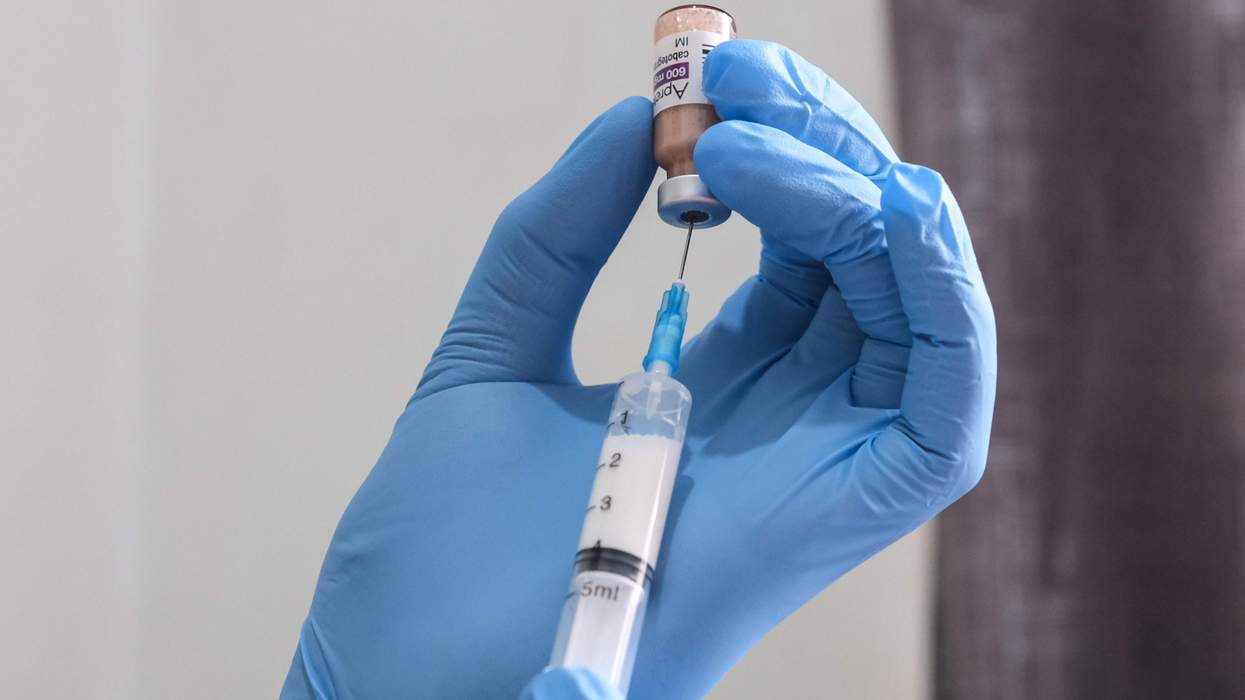
Struggling with daily HIV meds? Monthly shots may be the answer
March 20 2026 7:12 AM

Did you know over half of HIV-positive people in the world are female?
March 09 2026 6:47 PM
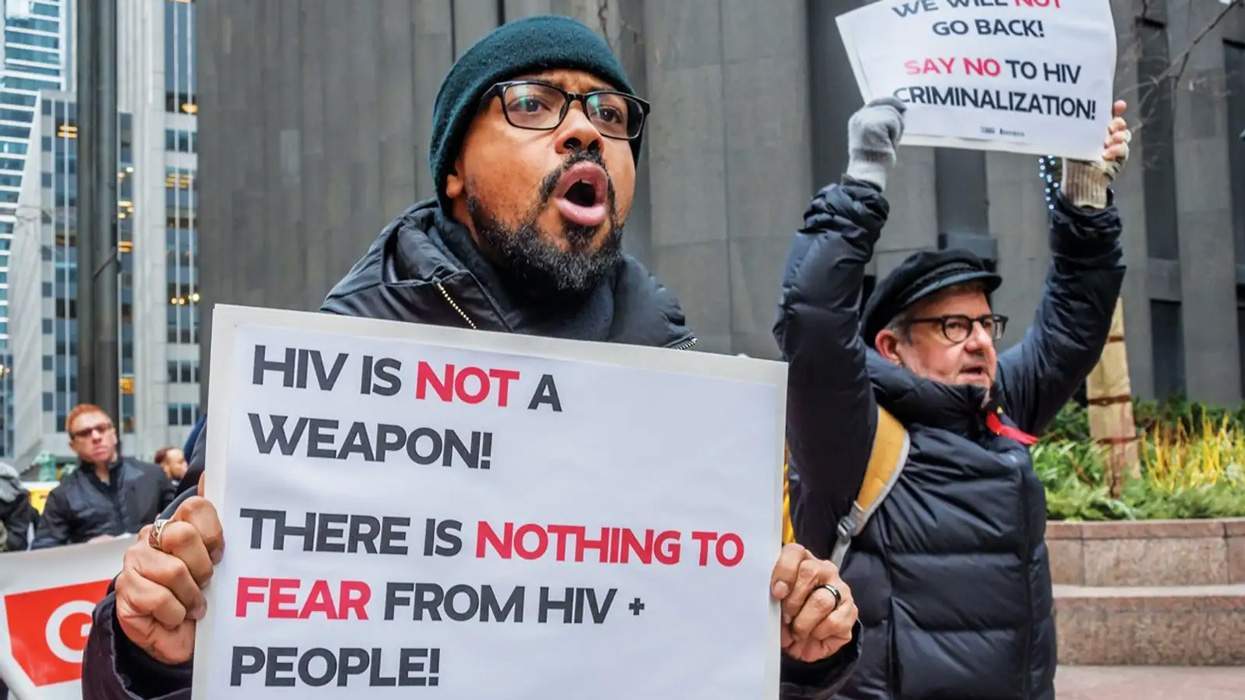
Why are Black people still the most affected by HIV criminalization?
February 27 2026 8:44 PM

What to know about HIV testing and treatment if you’re Black and LGBTQ+
February 24 2026 9:04 AM
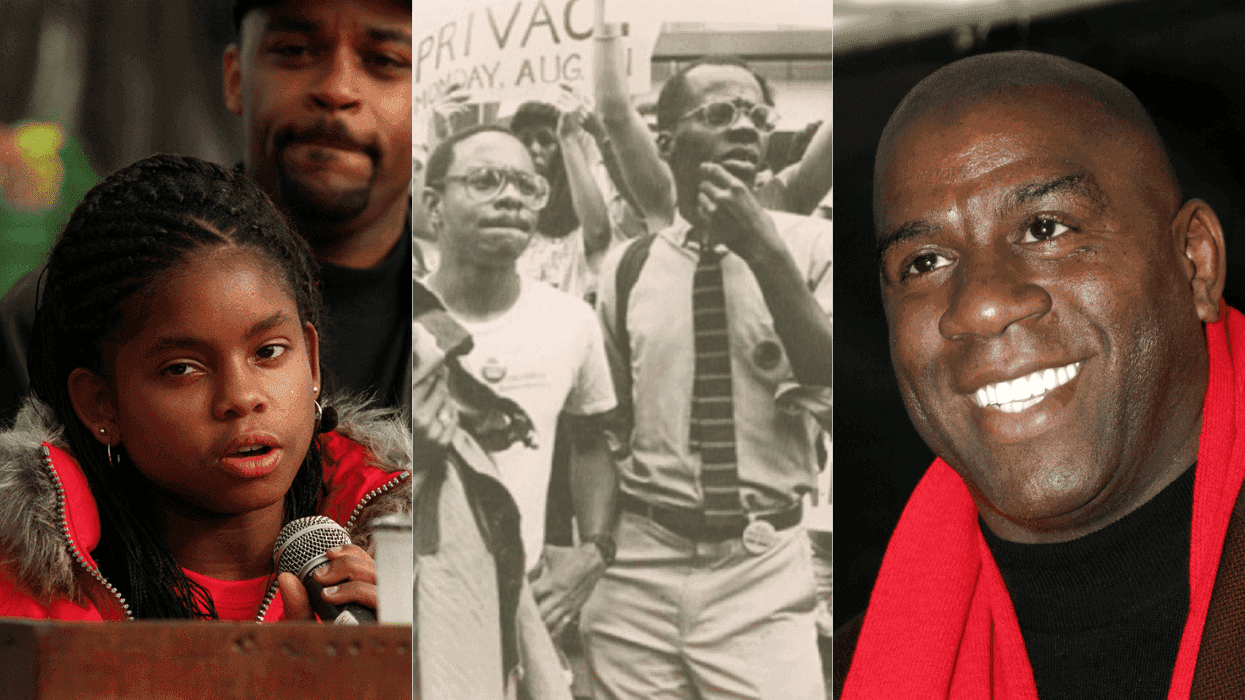
6 Black activists who changed the HIV/AIDS response in America
February 09 2026 9:55 AM

National Black HIV/AIDS Awareness Day: a time for action on many fronts
February 07 2026 3:49 PM
Black Americans are disproportionately criminalized for living with HIV. Here's how
February 06 2026 4:26 PM
13 Black community organizations fighting HIV in the U.S. you should know
February 03 2026 10:45 AM
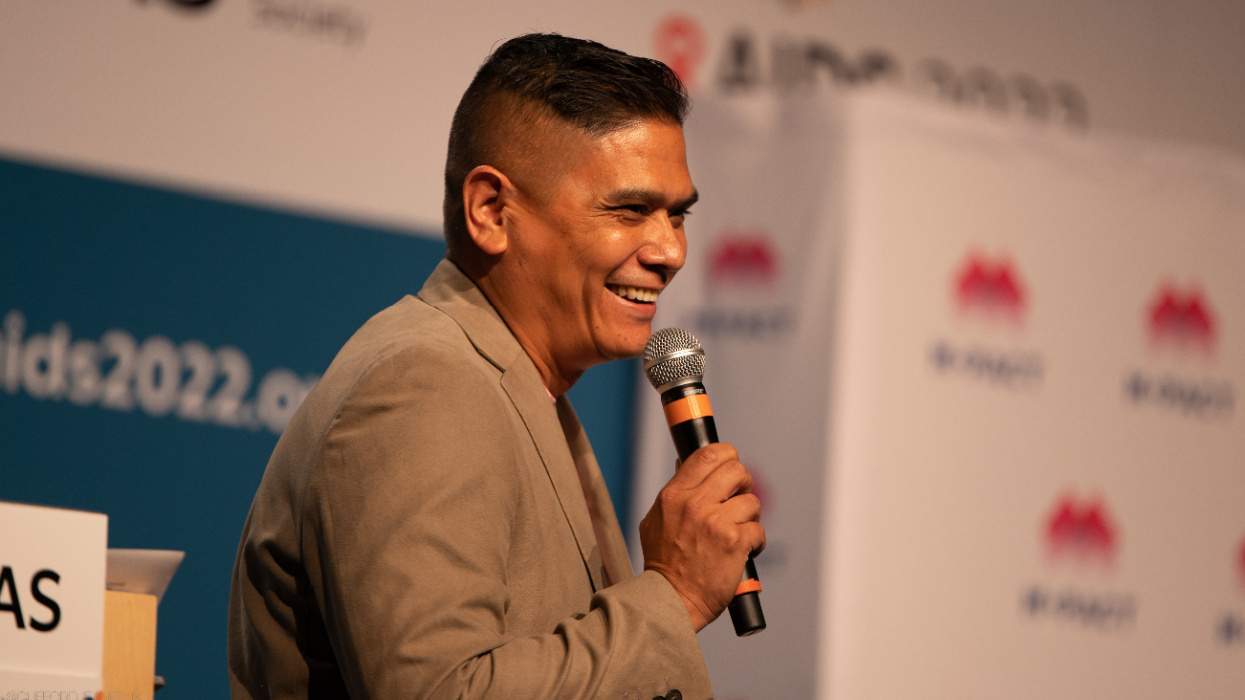
Meet the activist who wants people living with HIV to know they’re still sexy
January 28 2026 10:02 AM
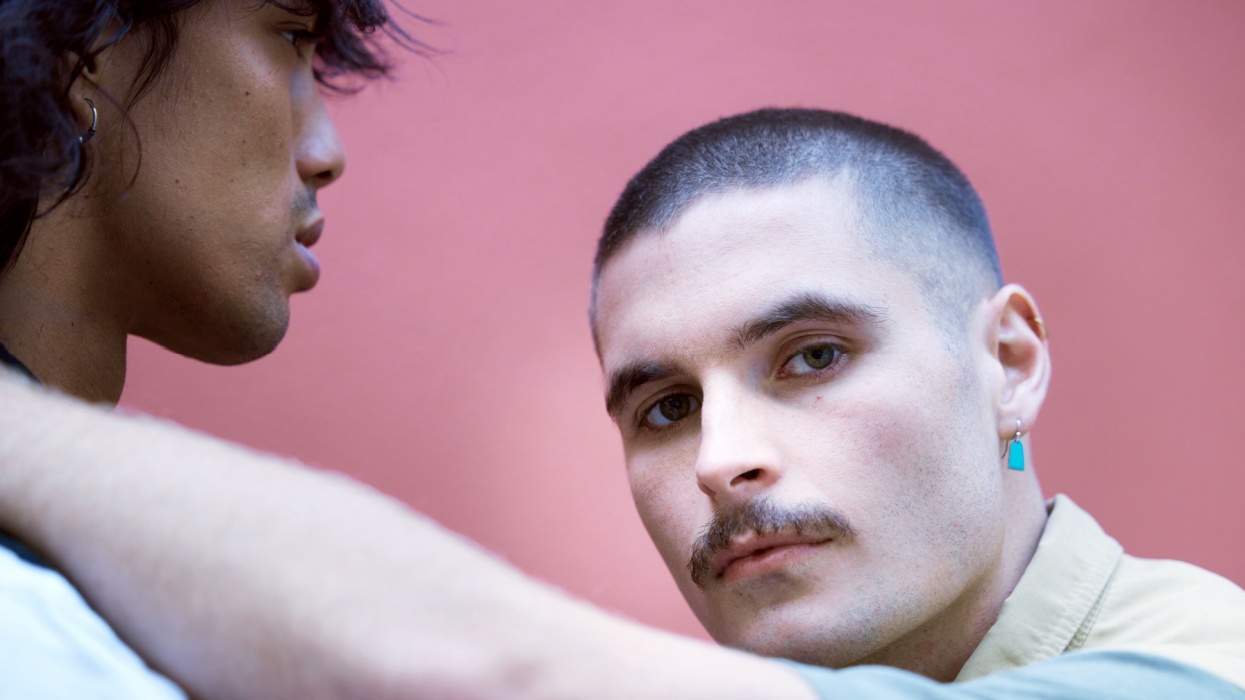
An HIV breakthrough is here. Let's not let it go to waste
January 21 2026 12:40 PM
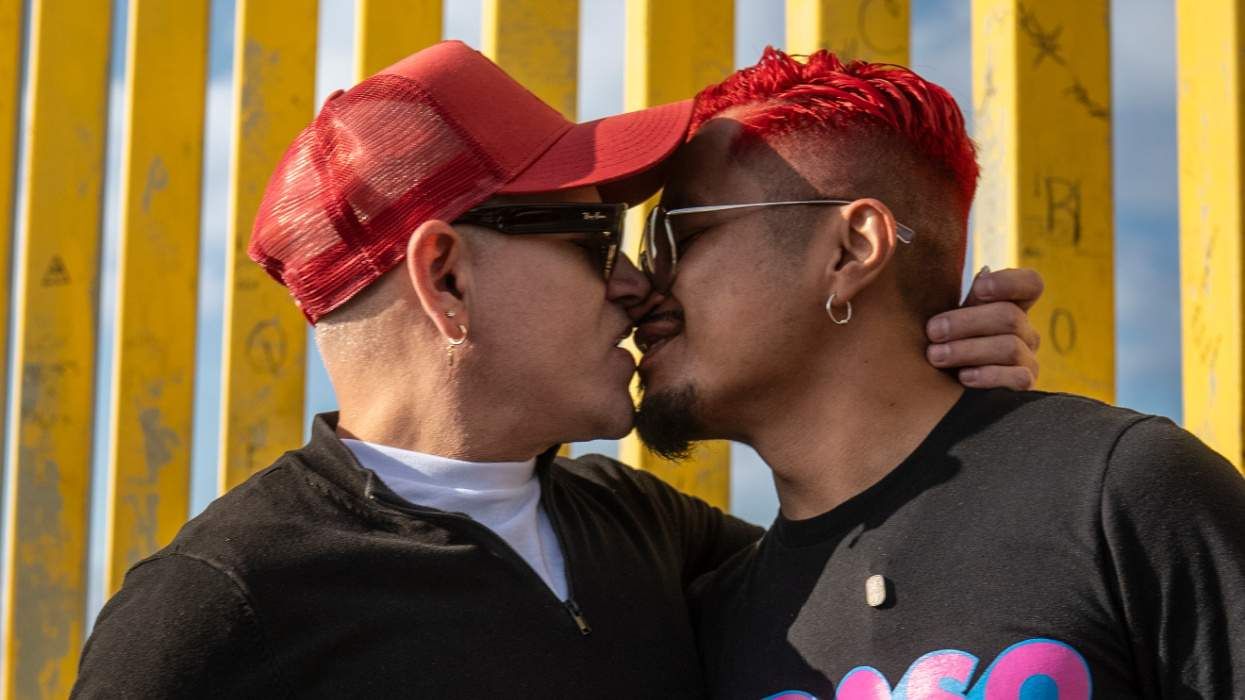

HIV-positive men stage 'Kiss-In' protest at U.S.-Mexico border
December 01 2025 12:56 PM
Trending stories













Recommended Stories for You