Treatment GuideJust DiagnosedSex & DatingAfrican AmericanStigmaAsk the HIV DocPrEP En EspañolNewsVoicesPrint IssueVideoOut 100
CONTACTCAREER OPPORTUNITIESADVERTISE WITH USPRIVACY POLICYPRIVACY PREFERENCESTERMS OF USELEGAL NOTICE
© 2026 Pride Publishing Inc.
All Rights reserved
All Rights reserved

By continuing to use our site, you agree to our Privacy Policy and Terms of Use.

Even though another presidential election is over, now is not the time to let what little debate on AIDS issues that took place during the campaigns be pushed to the back burner. With HIV devastating families all over America, there is no time to sit back and just relax. Whether you favored Bush-Cheney or Kerry-Edwards, you had to be aware that there simply was not enough attention given to the disproportionate impact AIDS is having on African-American women, the high percentage of injection-drug users infected with HIV in the United States, or the relationship between the mass incarceration of Americans for nonviolent crimes and HIV disease. As the number of American AIDS casualties continues to grow, what is increasingly clear is that in the war on AIDS there is no such thing as benign neglect. If we are not demanding that these issues be addressed, how can we expect our leaders in government'whether they are from a 'blue state' or a 'red state''to solve them? When asked by Gwen Ifill, the African-American female moderator of the lone vice presidential debate, about the disproportionate impact HIV is having on African-American women, Dick Cheney admitted that he was not aware that AIDS was that severe among black women in America. John Edwards's answer was hardly any better. Furthermore, Ifill specifically requested that the candidates focus on AIDS in the United States, but both men spent most of their time talking about AIDS overseas. Edwards took us to Russia and Africa before commenting on the 5 million Americans who had lost their health care coverage over the prior four years and the 45 million Americans without health care coverage. Cheney's lack of awareness about the magnitude of the epidemic among African-Americans and Edwards's avoidance of the topic speaks volumes about how low HIV and the people most at risk for the disease are on our government's priority list. Despite the low level of discourse during the campaigns, it is not as if there were not administrative decisions to contest'from flat funding for treatment and care when more people are living with HIV than ever before to advocating abstinence-only programs to the detriment of comprehensive prevention efforts and opposing needle-exchange programs, which have been shown to reduce HIV infections among drug users without increasing drug use. Not only do such policies fly in the face of the experiences of those of us who live with this disease every day, but they also fly in the face of sound public-health science. So where do we go from here? The election is over, and it is time to get down to the business of addressing the issues that affect our lives every day. The war on terror and the war in Iraq dominated the election debate. With the upcoming election in Iraq, a growing number of U.S. deaths, and expanded tensions in the Middle East, we should expect terror and war to continue to grab headlines and media attention in the coming months and maybe years. Yet it is not unreasonable to expect our government to enhance security without neglecting our health and well-being. AIDS activists missed the boat during the election. We cannot afford to be missing in action when new government policies are being set that will determine if some of us will live or die. Should the government do more? Absolutely. But it will not unless and until we make it do so. Every AIDS activist in America and all our allies need to write a letter to the president and congratulate him on his victory and demand a reinvigorated AIDS prevention effort, reauthorization of the Ryan White Act, a lifting of the funding prohibitions on needle-exchange programs, and a doubling of the appropriations for the Minority AIDS Initiative. I hope you fulfilled your patriotic duty by voting on November 2, but now that the votes are in, make them count! Wilson is the founder and executive director of the Black AIDS Institute.

From our Sponsors
Most Popular
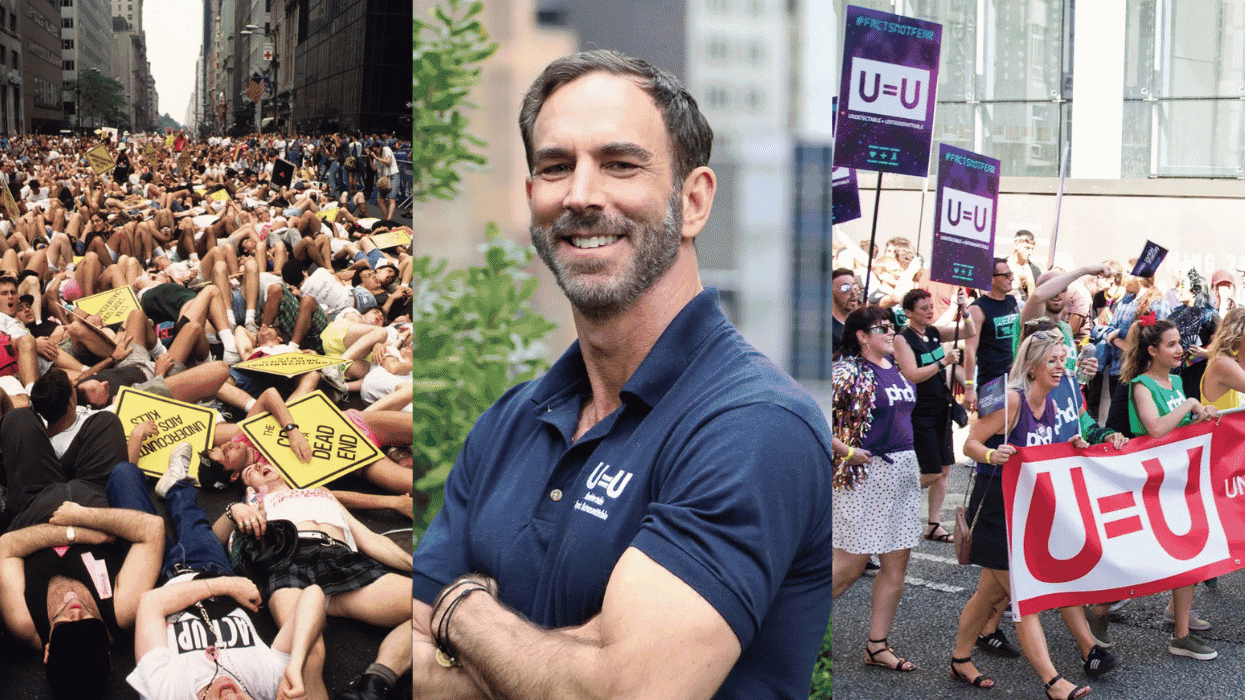
The road to U=U: How science has been liberating HIV+ people for a decade
July 01 2026 12:05 PM

Newly diagnosed with HIV? Advocates share their best advice for seeking treatment
April 29 2026 3:32 PM
How to find an HIV-competent healthcare provider, according to advocates
May 19 2026 4:55 PM
Plus: Featured Video
Latest Stories
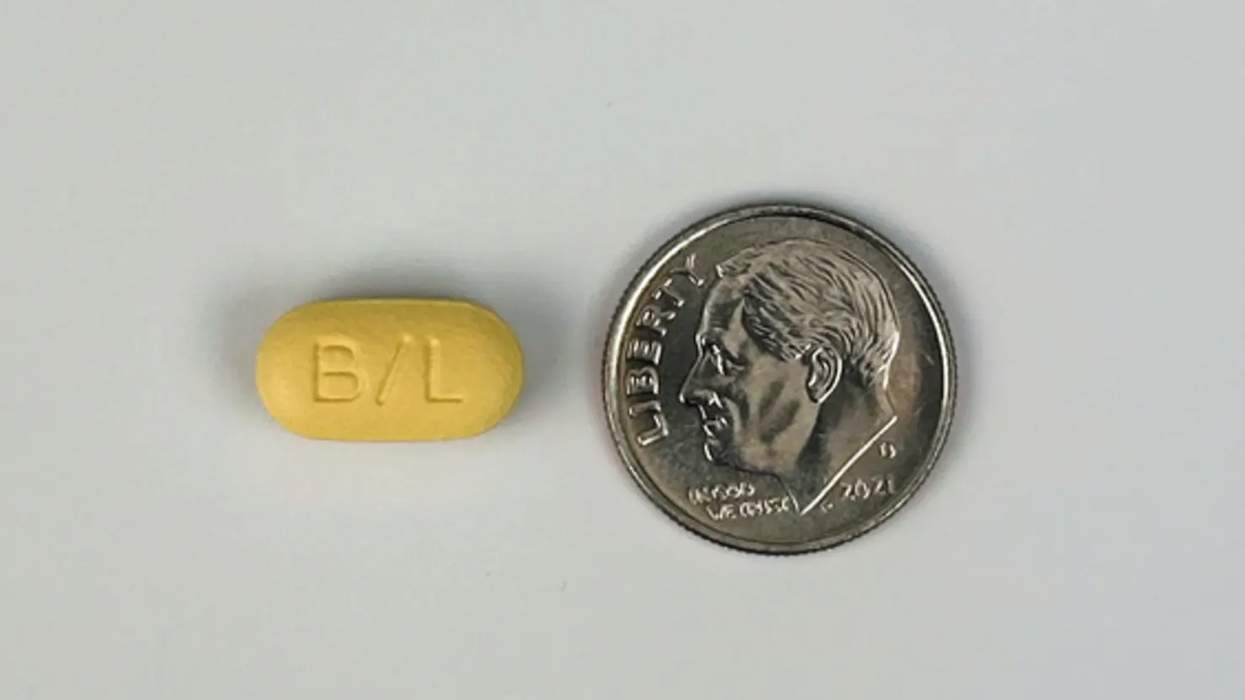
A New Once-Daily Pill to Treat HIV Just Got the FDA’s Green Light
August 31 2026 2:31 PM

Why affirming faith communities belong in the fight to end HIV
August 30 2026 8:00 AM

Navigating a new HIV diagnosis? Advocates say community is key
August 25 2026 3:33 PM

Gay Wine Weekend toasts 15 years of raising funds for HIV
August 25 2026 11:00 AM


A new HIV diagnosis doesn't have to be nerve-wracking. Advocates share their advice
July 30 2026 12:01 PM
Zero HIV Stigma Day: The epidemic we still choose to ignore
July 21 2026 7:00 AM

National HIV Prevention Day: Awareness is my superpower
July 17 2026 8:00 AM

Federal court clarifies that people with HIV can join the military again
June 03 2026 5:36 PM
Can a single infusion of immune cells suppress HIV for years?
May 11 2026 11:39 AM
National HIV advocacy group's CEO rejects claims of crisis
April 21 2026 5:14 PM

Beyond awareness: How youth leadership is reshaping the HIV response
April 10 2026 9:12 AM
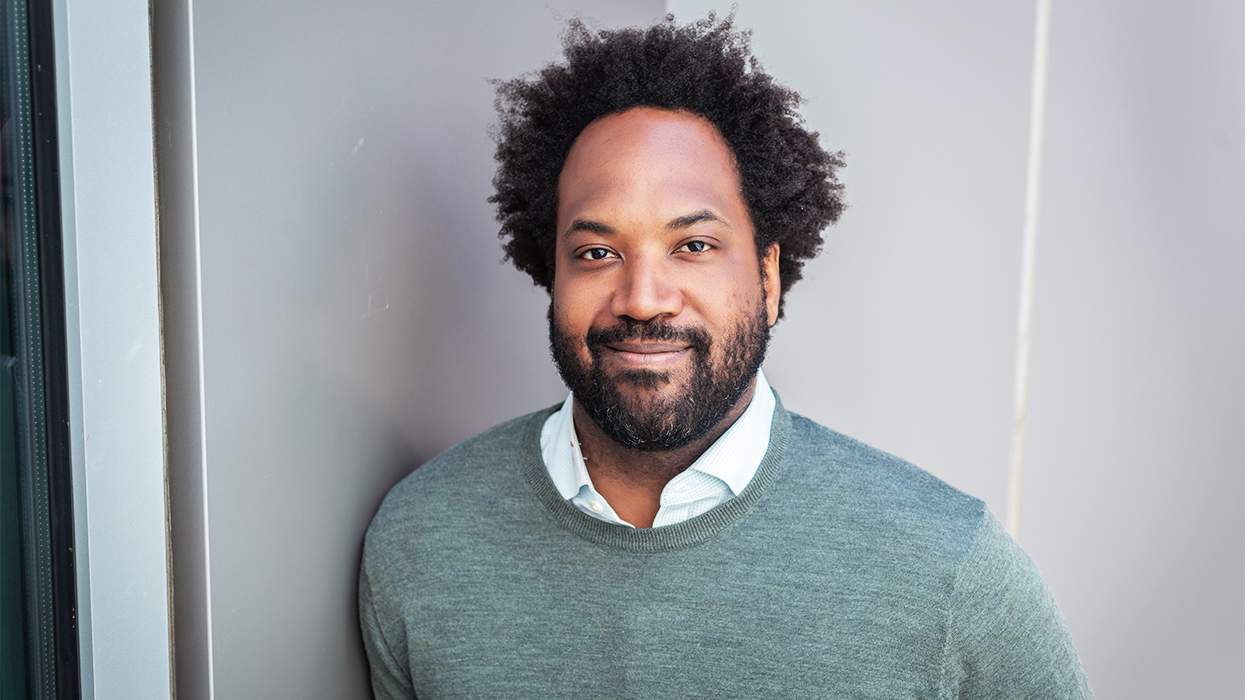
Saving public health? AIDS United's new CEO has a plan
March 23 2026 9:48 AM
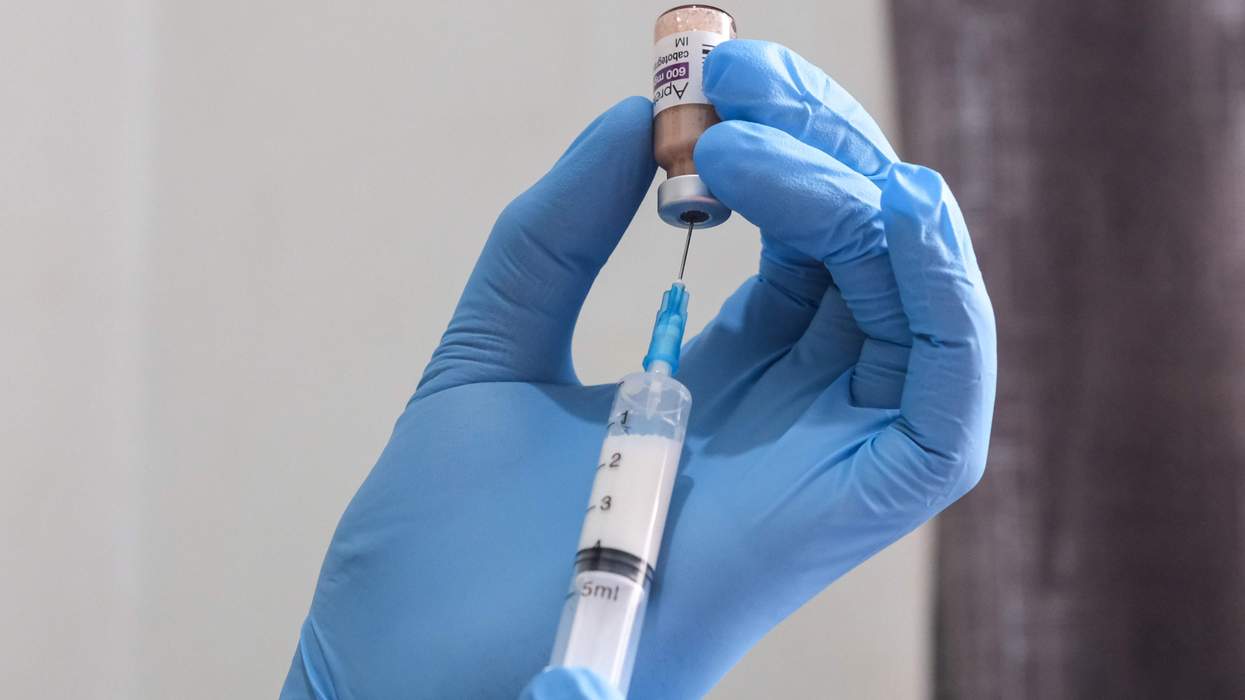
Struggling with daily HIV meds? Monthly shots may be the answer
March 20 2026 7:12 AM
Trending stories















Recommended Stories for You