Treatment GuideJust DiagnosedSex & DatingAfrican AmericanStigmaAsk the HIV DocPrEP En EspañolNewsVoicesPrint IssueVideoOut 100
CONTACTCAREER OPPORTUNITIESADVERTISE WITH USPRIVACY POLICYPRIVACY PREFERENCESTERMS OF USELEGAL NOTICE
© 2026 Pride Publishing Inc.
All Rights reserved
All Rights reserved

By continuing to use our site, you agree to our Privacy Policy and Terms of Use.

Any discussion of love sooner or later leads to talks about marriage or partnerships, and that can lead to the question of whether to have kids. Fortunately, this discussion no longer has to exclude HIV-positive people. Much has been written of the dramatic reduction in the risk of transmission of HIV from a mother to a fetus with the use of antiretrovirals. However, the use of fertility techniques to allow an HIV-positive man to impregnate an HIV-negative woman is just starting to be studied. The reports coming in are promising, though. In 1989, Augusto Semprini, a physician in Milan, started using 'sperm washing' followed by intrauterine insemination to allow HIV-serodiscordant couples'in this case the man is positive and the woman is negative'to safely achieve pregnancy. When polymerase chain reaction testing became available, this second step was added to ensure that the sperm sample was HIV-negative. This procedure has been performed worldwide 3,000 times without a single case of serconversion of the woman. Because semen contains free HIV along with white cells that may be HIV-infected and other seminal products, there has been ongoing concern about the risk to the mother, and this process has never been adopted in the United States. It is still not clear if spermatozoa are actually infected, and millions of sperm are placed in the uterus during intrauterine insemination. Even when using in vitro fertilization (when eggs are extracted from the mother, fertilized in the lab with semen from the father, and then implanted into the mother's uterus) the eggs are exposed to about 5,000 sperm. However, it is now possible to expose just one egg to one sperm during in vitro fertilization by using a technique called intracytoplasmic sperm injection. In theory, this should greatly reduce the risk of HIV transmission to the mother. Researchers at Columbia University have reported on 54 couples who have gone through a total of 103 of the above-described procedures without one transmission of HIV. Some women required several attempts at implantation, and there were ultimately 27 pregnancies. This success rate was no different than in HIV-negative couples undergoing IVF. In addition, since multiple births are common with IVF, out of 27 pregnancies, nine resulted in twins and two resulted in triplets. That is something to think about! These data along with the perception that HIV is now a manageable chronic disease have led the ethics committee of the American Society for Reproductive Medicine to support the treatment of HIV-serodiscordant couples in ongoing study protocols. Certainly there are nonmedical issues to consider, such as the challenges to the mother and child if the father becomes ill or dies and even contingencies if the mother does become infected and then both parents become ill. But these issues should always be discussed whenever pregnancy is contemplated, and because psychosocial counseling is mandatory with these protocols, preparations for pregnancy might be even better than in the general population. It is also important to note that these procedures are costly and are not ordinarily covered in general health insurance policies. Because recent studies have suggested that HIV can infect human eggs at the time of fertilization, there is always going to be some theoretical risk to a mother. So for those who want an even safer option, the use of frozen, anonymous-donor sperm can be considered. And finally, of course, adoption has many wonderful benefits. Let me conclude by saying that this has to be the happiest article on HIV issues that I have ever written. For years we have talked about illness, disease, and sometimes death. But now we can talk about life. Bowers is board-certified in family practice and is a senior partner with Pacific Oaks Medical Group, one of the nation's largest practices devoted to HIV care, located in Beverly Hills, Calif. He has served on the boards of AIDS Research Alliance of America and Lambda Legal Defense and Education Fund.


From our Sponsors
Most Popular

The road to U=U: How science has been liberating HIV+ people for a decade
July 01 2026 12:05 PM

Newly diagnosed with HIV? Advocates share their best advice for seeking treatment
April 29 2026 3:32 PM

How to find an HIV-competent healthcare provider, according to advocates
May 19 2026 4:55 PM
Plus: Featured Video
Latest Stories
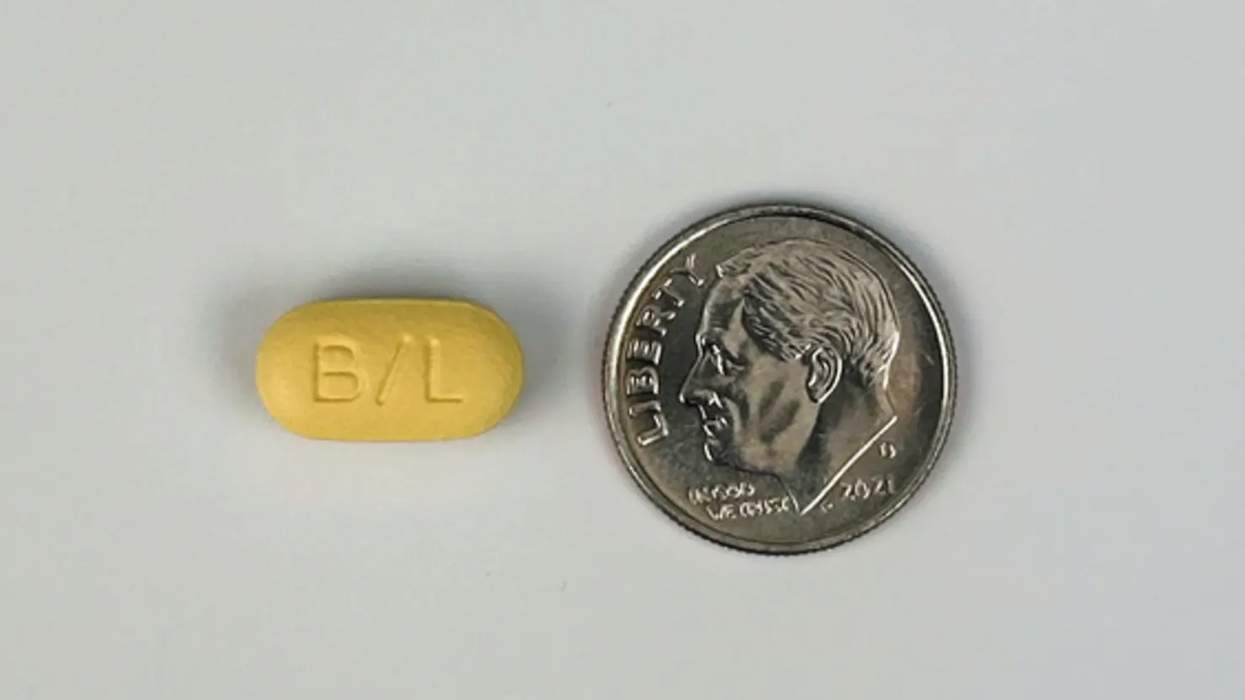
A New Once-Daily Pill to Treat HIV Just Got the FDA’s Green Light
August 31 2026 2:31 PM
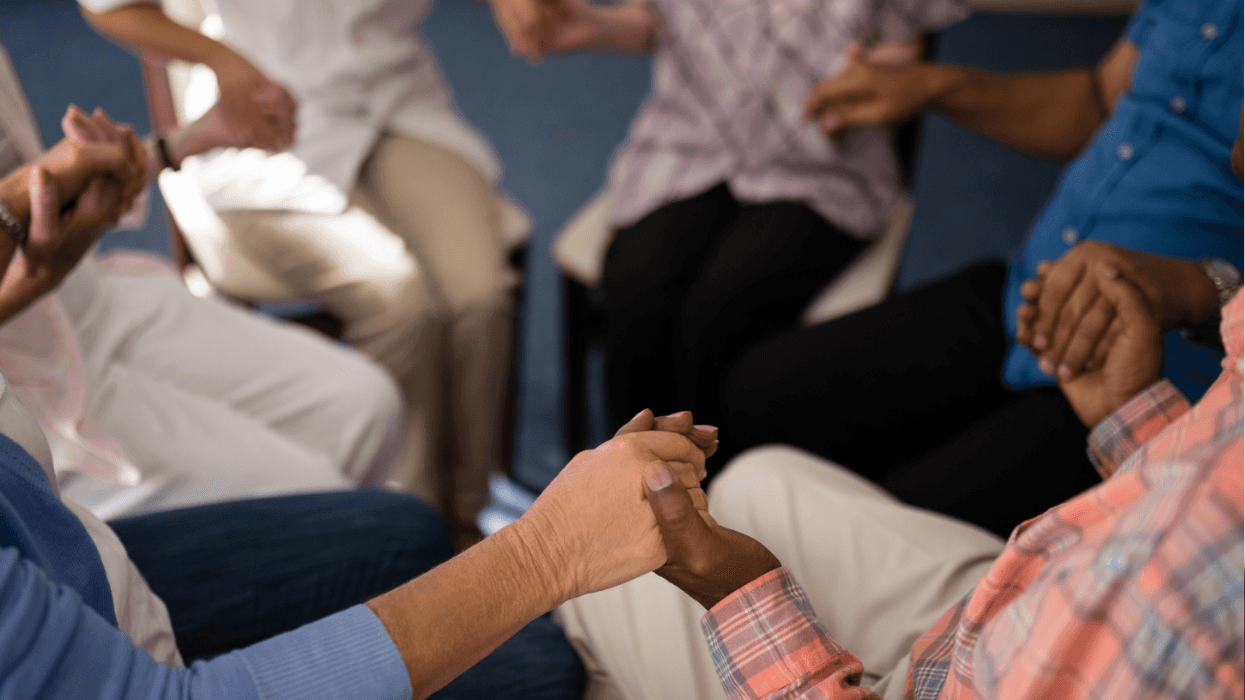
Why affirming faith communities belong in the fight to end HIV
August 30 2026 8:00 AM

Navigating a new HIV diagnosis? Advocates say community is key
August 25 2026 3:33 PM

Gay Wine Weekend toasts 15 years of raising funds for HIV
August 25 2026 11:00 AM



A new HIV diagnosis doesn't have to be nerve-wracking. Advocates share their advice
July 30 2026 12:01 PM

Zero HIV Stigma Day: The epidemic we still choose to ignore
July 21 2026 7:00 AM

National HIV Prevention Day: Awareness is my superpower
July 17 2026 8:00 AM

Federal court clarifies that people with HIV can join the military again
June 03 2026 5:36 PM
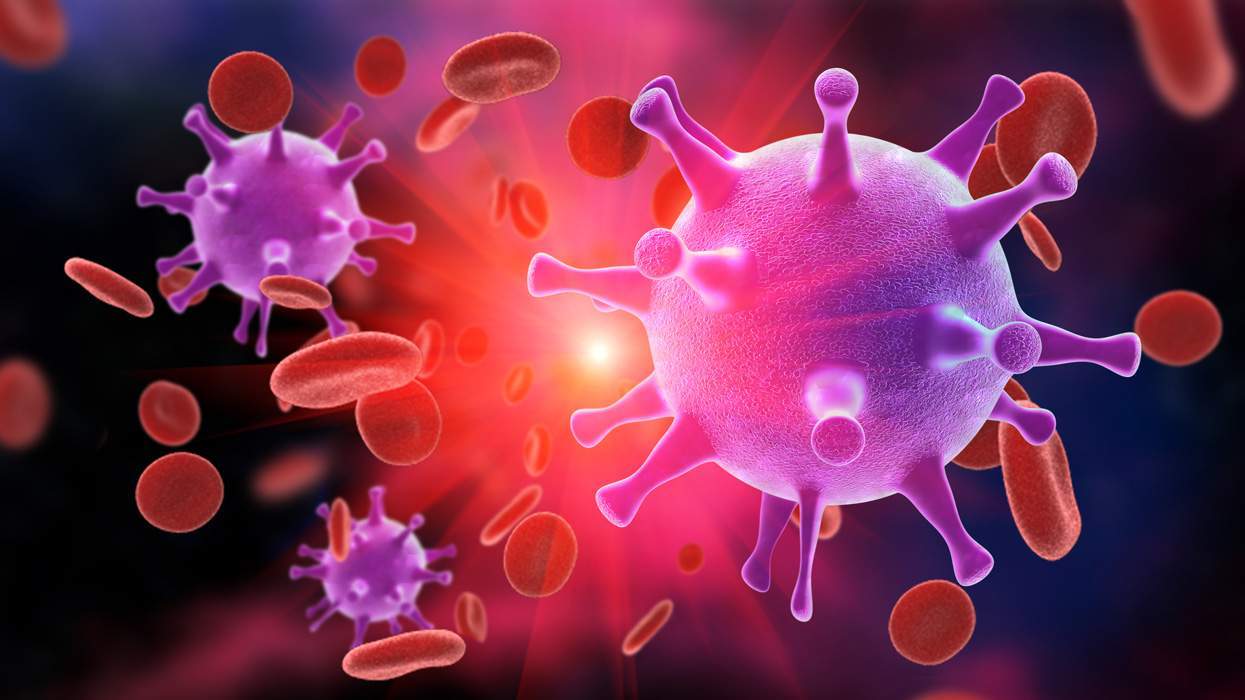
Can a single infusion of immune cells suppress HIV for years?
May 11 2026 11:39 AM


National HIV advocacy group's CEO rejects claims of crisis
April 21 2026 5:14 PM


Beyond awareness: How youth leadership is reshaping the HIV response
April 10 2026 9:12 AM

Saving public health? AIDS United's new CEO has a plan
March 23 2026 9:48 AM
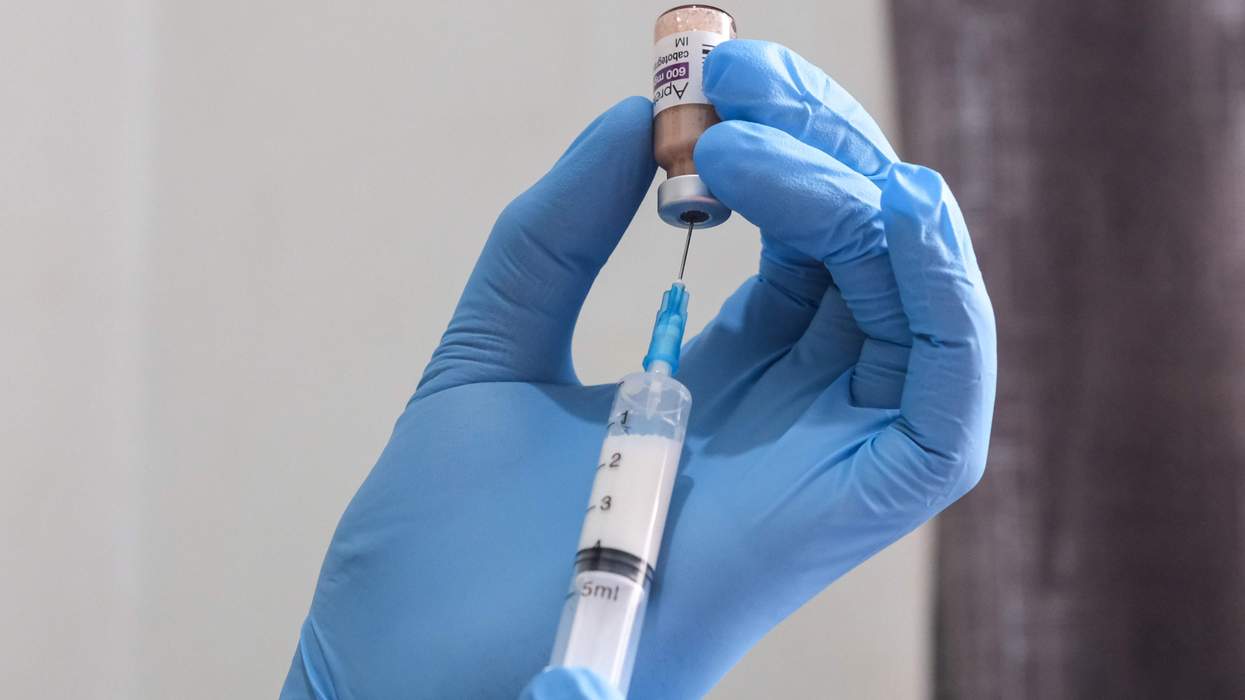
Struggling with daily HIV meds? Monthly shots may be the answer
March 20 2026 7:12 AM

Trending stories















Recommended Stories for You