Treatment GuideJust DiagnosedSex & DatingAfrican AmericanStigmaAsk the HIV DocPrEP En EspañolNewsVoicesPrint IssueVideoOut 100
CONTACTCAREER OPPORTUNITIESADVERTISE WITH USPRIVACY POLICYPRIVACY PREFERENCESTERMS OF USELEGAL NOTICE
© 2026 Pride Publishing Inc.
All Rights reserved
All Rights reserved

By continuing to use our site, you agree to our Privacy Policy and Terms of Use.

At age 17, Steave Nemande left his home country of Cameroon to study in Russia. Little did he know he would also discover he is gay. After eight years of study and obtaining his medical degree in Russia, Nemande found himself back in Cameroon, en route to a more bustling locale like Johannesburg for additional schooling. But something kept him in Cameroon ' he saw a need for advocacy and activism for the country's persecuted LGBT population. Eventually, Nemande became the head of Alternatives-Cameroun, a now four-year-old organization that provides services and help for gay people in the region. While he was quite aware of his sexual orientation when he took the post, his family did not know he was gay until rumors about his new job spread to his father. "Two gay men were arrested for being homosexual," he told HIV Plus on Tuesday, the day after he was presented with Human Rights Watch's Alison Des Forges Award for his work. "After they were released, it was unsafe for them to return home, so I invited them to Douala to relax. We housed them at my apartment, but because of the way they dressed, and the way they acted, people knew they were gay." Finally, Nemande's father approached him and asked about the situation. He describes his father as being generally reserved, and when he came out to his parents, they understood and accepted him. Still, they feared other people's reactions. "I'm very lucky for the support of my parents, but not everyone has that in Cameroon," he said, which is why the work of Alternatives-Cameroun is so significant. According to a recent report by Human Rights Watch, the Cameroon Penal Code, enacted in 1972, punishes "sexual relations with a person of the same sex" with a prison term of six months to five years and with a fine of up to 200,000 CFA (US$416). Furthermore, national and religious leaders openly talk about suppressing homosexuality to further "positive African cultural values." Newspapers have also flooded their pages with antigay editorials, and police often beat people they suspect of being gay. With the promotion of such attitudes comes isolation and stigma for gay people, especially those at risk of contracting HIV. But for gay Cameroonians, Nemande's organization provides some help when they cannot turn to their families and friends. Nemande was able to rattle off a short list of organizations with the same goals in the entire continent of Africa. While the group's funds are not plentiful, Alternatives-Cameroun activists provide legal aid, offer HIV outreach and education, and visit jails to hand out food, clothes, and cash to help people survive tough prison life, and the organization even pays rent for people who have become homeless. Nemande added that Alternatives-Cameroun helps people start small businesses, many making or selling clothes, tailoring, or running small food stands, in order for them to become financially independent. This is especially important as many parents cut off support for their gay children, who are then forced out of school and head toward a life of prostitution. "Studies in African countries -- like Senegal, Kenya, Botswana, Malawi -- show that gay men are 5-20 times more likely to contract HIV," he said. " Many young gay people turn to prostitution. Their parents refuse to pay school fees, so they end up being prostitutes. So if they have a client who wants to have sex without a condom for more money than with a condom, they agree to it." Alternatives-Cameroun is part of AMSHeR, a coalition of African resource groups in countries including Burundi, Uganda, and Nigeria, which have all made headlines for their ill-treatment of gay citizens. Nemande said he welcomes more involvement from the international community to help eradicate institutionalized and virulent homophobia in African nations. He urges those who are concerned to spread the word. "Telling people about this kind of work has value," he said. "If enough people really know and understand what's going on, we can change things."


From our Sponsors
Most Popular
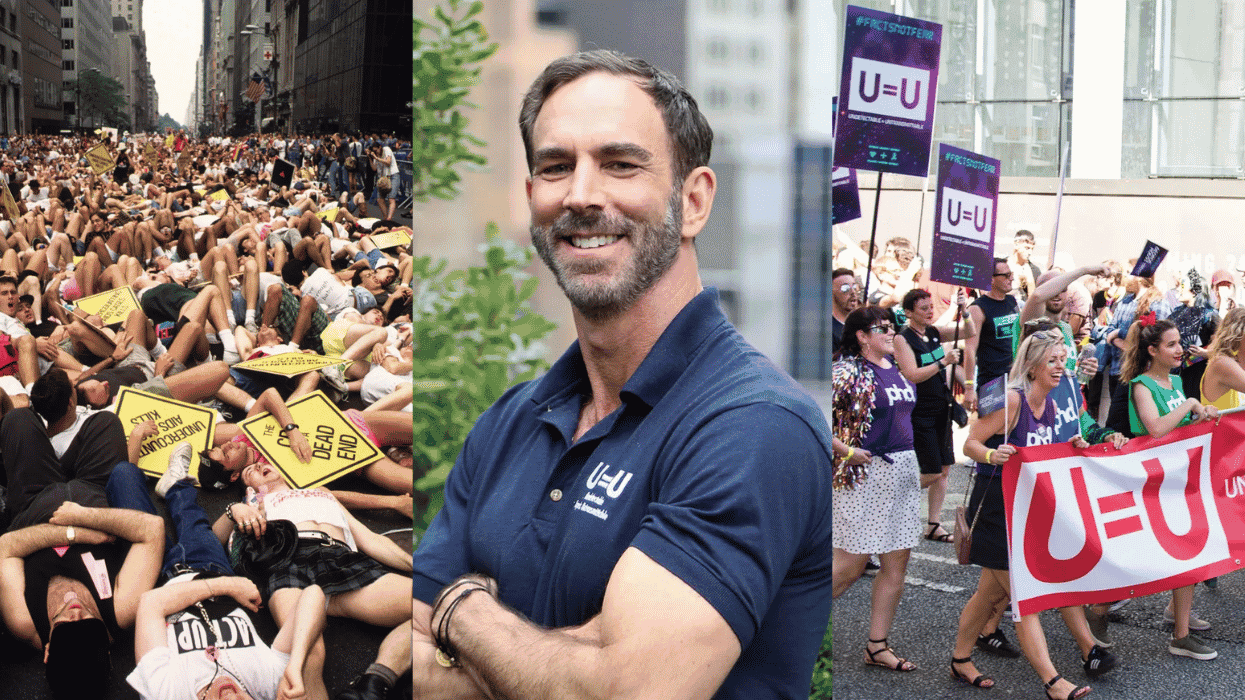
The road to U=U: How science has been liberating HIV+ people for a decade
July 01 2026 12:05 PM
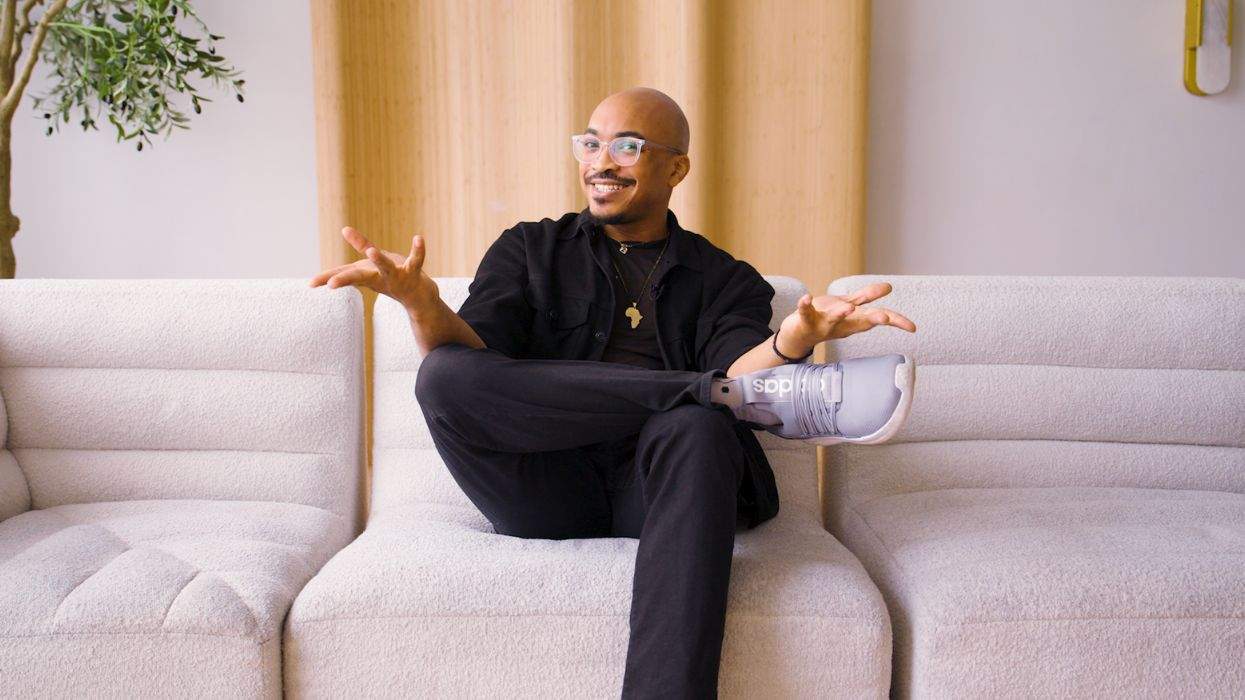
Newly diagnosed with HIV? Advocates share their best advice for seeking treatment
April 29 2026 3:32 PM
How to find an HIV-competent healthcare provider, according to advocates
May 19 2026 4:55 PM
Plus: Featured Video
Latest Stories
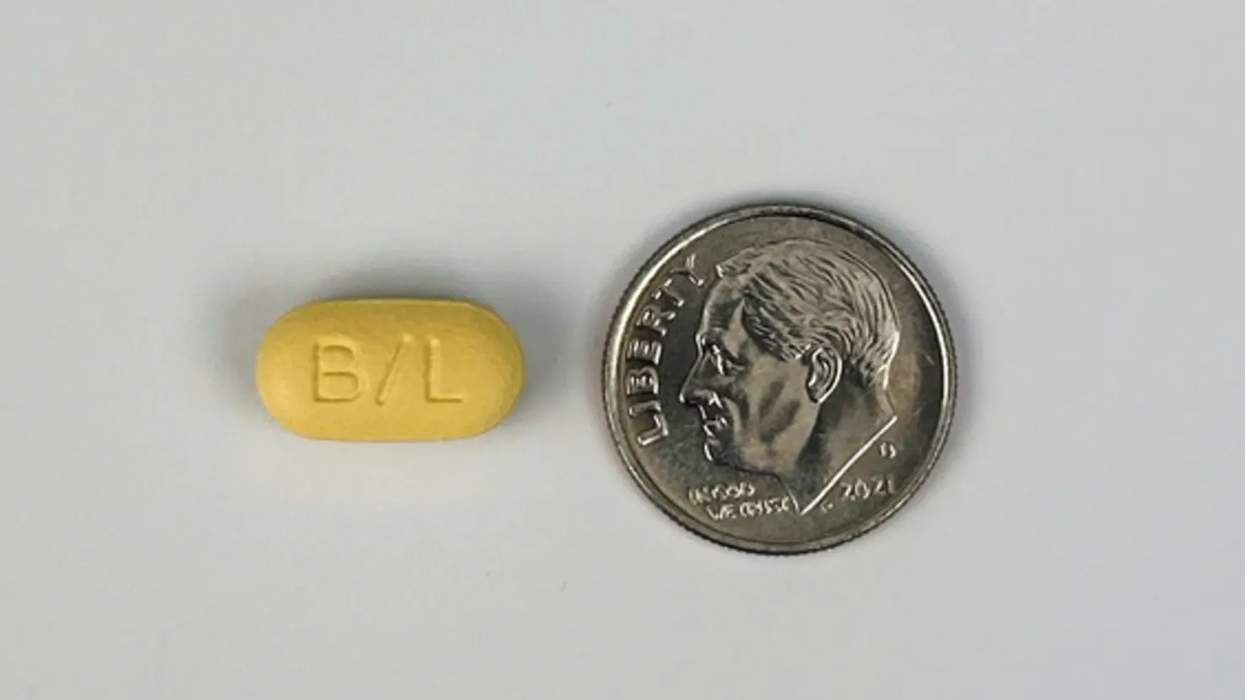
A New Once-Daily Pill to Treat HIV Just Got the FDA’s Green Light
August 31 2026 2:31 PM
Why affirming faith communities belong in the fight to end HIV
August 30 2026 8:00 AM

Navigating a new HIV diagnosis? Advocates say community is key
August 25 2026 3:33 PM

Gay Wine Weekend toasts 15 years of raising funds for HIV
August 25 2026 11:00 AM

A new HIV diagnosis doesn't have to be nerve-wracking. Advocates share their advice
July 30 2026 12:01 PM
Zero HIV Stigma Day: The epidemic we still choose to ignore
July 21 2026 7:00 AM

National HIV Prevention Day: Awareness is my superpower
July 17 2026 8:00 AM

Federal court clarifies that people with HIV can join the military again
June 03 2026 5:36 PM
Can a single infusion of immune cells suppress HIV for years?
May 11 2026 11:39 AM
National HIV advocacy group's CEO rejects claims of crisis
April 21 2026 5:14 PM


Beyond awareness: How youth leadership is reshaping the HIV response
April 10 2026 9:12 AM
Saving public health? AIDS United's new CEO has a plan
March 23 2026 9:48 AM
Struggling with daily HIV meds? Monthly shots may be the answer
March 20 2026 7:12 AM

Trending stories











Recommended Stories for You