Treatment GuideJust DiagnosedSex & DatingAfrican AmericanStigmaAsk the HIV DocPrEP En EspañolNewsVoicesPrint IssueVideoOut 100
CONTACTCAREER OPPORTUNITIESADVERTISE WITH USPRIVACY POLICYPRIVACY PREFERENCESTERMS OF USELEGAL NOTICE
© 2026 Pride Publishing Inc.
All Rights reserved
All Rights reserved

By continuing to use our site, you agree to our Privacy Policy and Terms of Use.

All too many people living with HIV disease have become familiar with lipodystrophy, the abnormal changes in body fat that many believe are caused by anti-HIV drugs as well as by HIV itself. Even though it is not known precisely what causes lipodystrophy to occur, researchers have been trying to find ways to prevent it. And two answers, a new study says, may be easy and close at hand: exercise and vitamin E. Christos Mantzoros, MD, an assistant professor at Harvard Medical School, and his research team evaluated 120 HIV-positive men and women to see if exercise or diet had an effect on fat redistribution. Their study, published in the June edition of the journal Clinical Infectious Diseases, found that women and men who regularly engaged in aerobic exercise or combined aerobic exercise with resistance training, such as weight lifting, had the lowest levels of triglycerides, which are a marker for lipodystrophy. It also appeared that those individuals who exercised were less likely to have insulin resistance, another marker of fat redistribution. On the dietary front, the study found that those individuals who took vitamin E supplements had lower diastolic blood pressure. (Blood pressure readings are given as two numbers, such as 110 over 70. The second number is the diastolic blood pressure; it represents the pressure in the arteries when the heart is at rest.) This is important because the metabolic changes that occur along with lipodystrophy increase the risk of developing high blood pressure. Based on these findings, the authors conclude that it would be important for researchers to conduct additional studies that can 'confirm these data and assess the potential therapeutic efficacy of exercise and diet in HIV-associated metabolic syndrome.' But check in with your regular physician to see if a bit of exercise and vitamin E in your life would be a good part of your care plan anyway.


From our Sponsors
Most Popular

The road to U=U: How science has been liberating HIV+ people for a decade
July 01 2026 12:05 PM

Newly diagnosed with HIV? Advocates share their best advice for seeking treatment
April 29 2026 3:32 PM

How to find an HIV-competent healthcare provider, according to advocates
May 19 2026 4:55 PM

Plus: Featured Video
Latest Stories
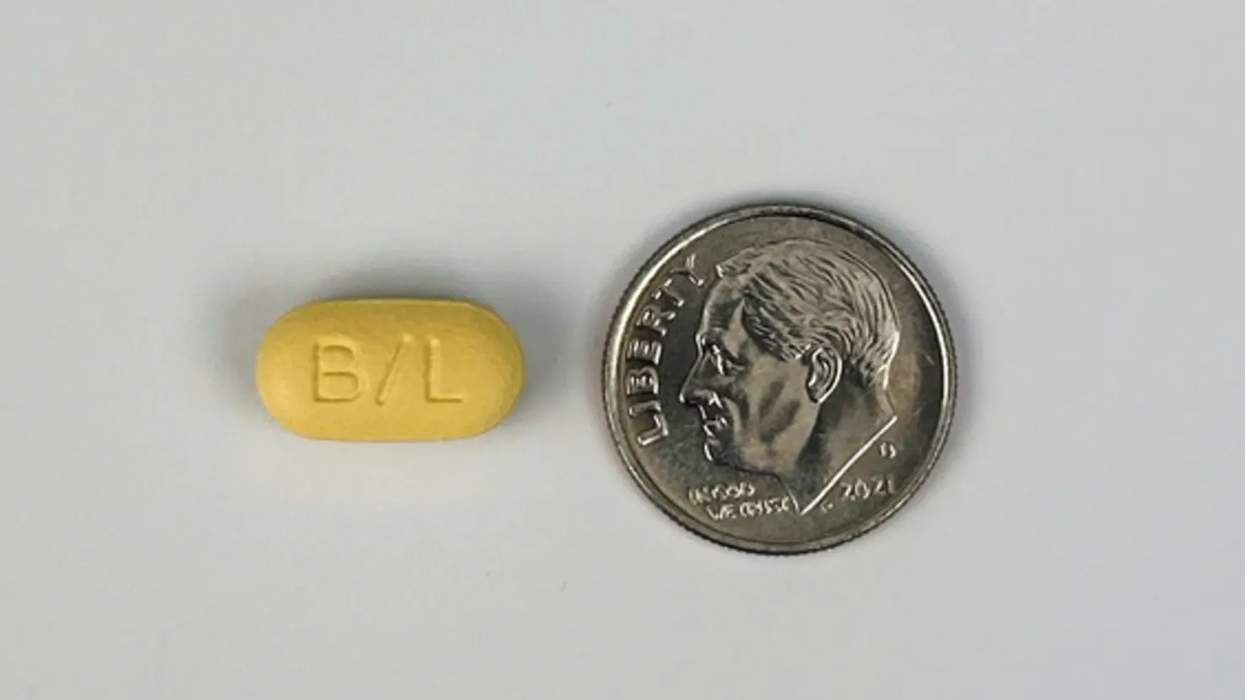
A New Once-Daily Pill to Treat HIV Just Got the FDA’s Green Light
August 31 2026 2:31 PM

Why affirming faith communities belong in the fight to end HIV
August 30 2026 8:00 AM

Navigating a new HIV diagnosis? Advocates say community is key
August 25 2026 3:33 PM

Gay Wine Weekend toasts 15 years of raising funds for HIV
August 25 2026 11:00 AM



A new HIV diagnosis doesn't have to be nerve-wracking. Advocates share their advice
July 30 2026 12:01 PM

Zero HIV Stigma Day: The epidemic we still choose to ignore
July 21 2026 7:00 AM

National HIV Prevention Day: Awareness is my superpower
July 17 2026 8:00 AM

Federal court clarifies that people with HIV can join the military again
June 03 2026 5:36 PM
Can a single infusion of immune cells suppress HIV for years?
May 11 2026 11:39 AM


National HIV advocacy group's CEO rejects claims of crisis
April 21 2026 5:14 PM
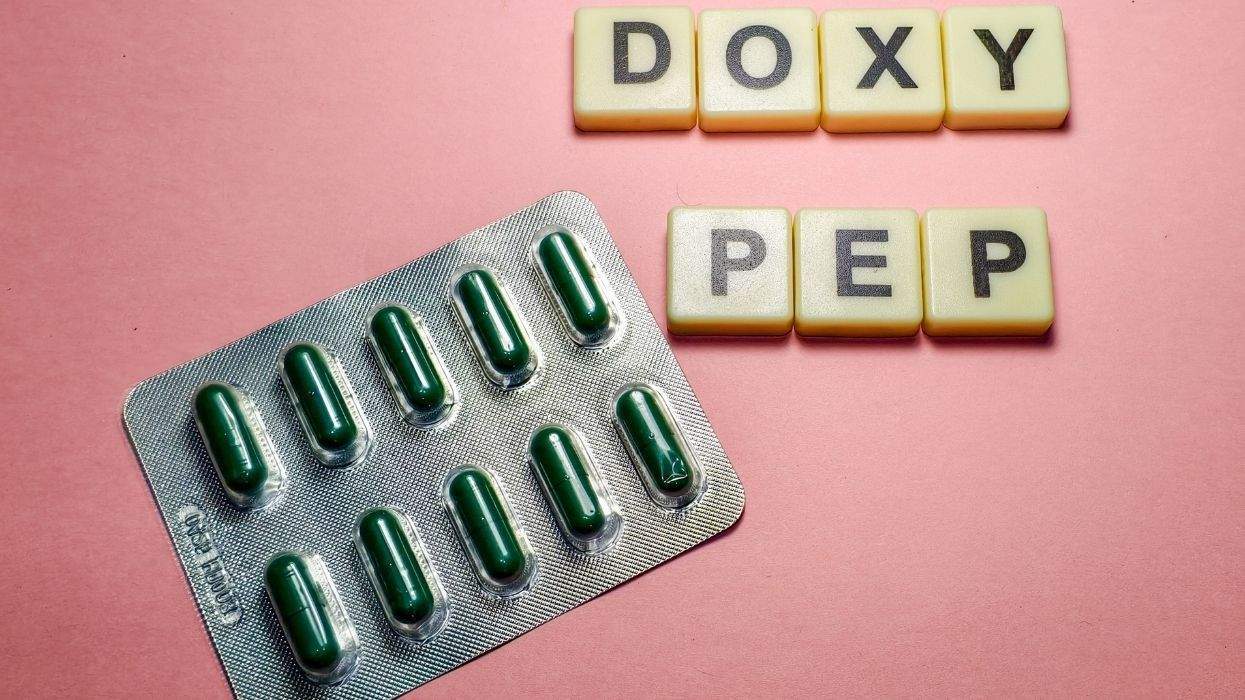

Beyond awareness: How youth leadership is reshaping the HIV response
April 10 2026 9:12 AM

Saving public health? AIDS United's new CEO has a plan
March 23 2026 9:48 AM
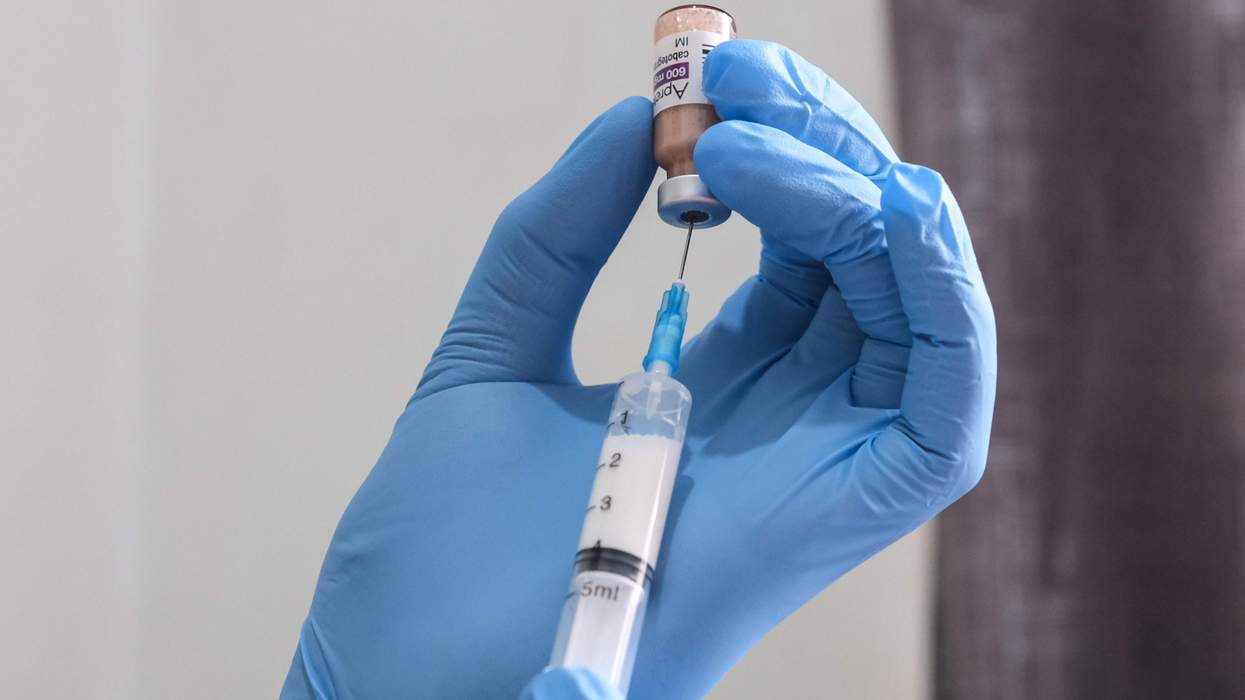
Struggling with daily HIV meds? Monthly shots may be the answer
March 20 2026 7:12 AM


After 40 Years living with HIV, this military veteran sees history repeating
February 27 2026 1:51 PM
Trending stories















Recommended Stories for You