Treatment GuideJust DiagnosedSex & DatingAfrican AmericanStigmaAsk the HIV DocPrEP En EspañolNewsVoicesPrint IssueVideoOut 100
CONTACTCAREER OPPORTUNITIESADVERTISE WITH USPRIVACY POLICYPRIVACY PREFERENCESTERMS OF USELEGAL NOTICE
© 2026 Pride Publishing Inc.
All Rights reserved
All Rights reserved
By continuing to use our site, you agree to our Privacy Policy and Terms of Use.
The recent outbreak in Indiana has sounded alarm bells across the country but coping with this latest trend in HIV infections may be especially hard for red states, argues a recent feature over at Politico by Adam Wren, an Indiana-based reporter, who documented the political history of the HIV/AIDS epidemic in the US with an eye towards the causes and effects of Republican resistance to public health initiatives like needle exchange programs.
The needle exchange programs are especially relevant, Wren points out, because HIV infections are increasingly among rural, poor whites who inject painkillers like Opana. In Indiana, needle exchanges are illegal, and were only allowed to help cope with the recent outbreak. Wren writes,
As the largest HIV/AIDS outbreak in Indiana’s history roils this Hoosier hamlet, it reflects the changing face of the epidemic in the U.S., as a disease that once primarily afflicted gays and minorities in deep-blue cities rises in rural red states. This new evolution of HIV is also forcing a new generation of Republican policymakers to confront its orthodox opposition to remedies such as government-funded needle-exchange programs.
Over the past decade, the virus cascaded from urban cities like San Francisco, New York and Washington, D.C., into poor, rural swaths of red states in middle America—opening a new front in the national fight against the spread of HIV. “It started in the coastal states among middle-class white gay men, and then the epidemic evolved into affecting more and more minorities in the South,” says Carlos del Rio, an AIDS researcher at Emory University in Atlanta. “Obviously, now the epidemic is changed. Now, what we're seeing is it impacting the rural communities.”
In this Indiana burg, the virus is not spreading among networks of gay men, but in rapid, cluster-like fashion within jobless white families who inject prescription painkillers with dirty needles.
The whole article is fantastic and you should go read it all here.


From our Sponsors
Most Popular

The road to U=U: How science has been liberating HIV+ people for a decade
July 01 2026 12:05 PM

Newly diagnosed with HIV? Advocates share their best advice for seeking treatment
April 29 2026 3:32 PM

How to find an HIV-competent healthcare provider, according to advocates
May 19 2026 4:55 PM

Plus: Featured Video
Latest Stories
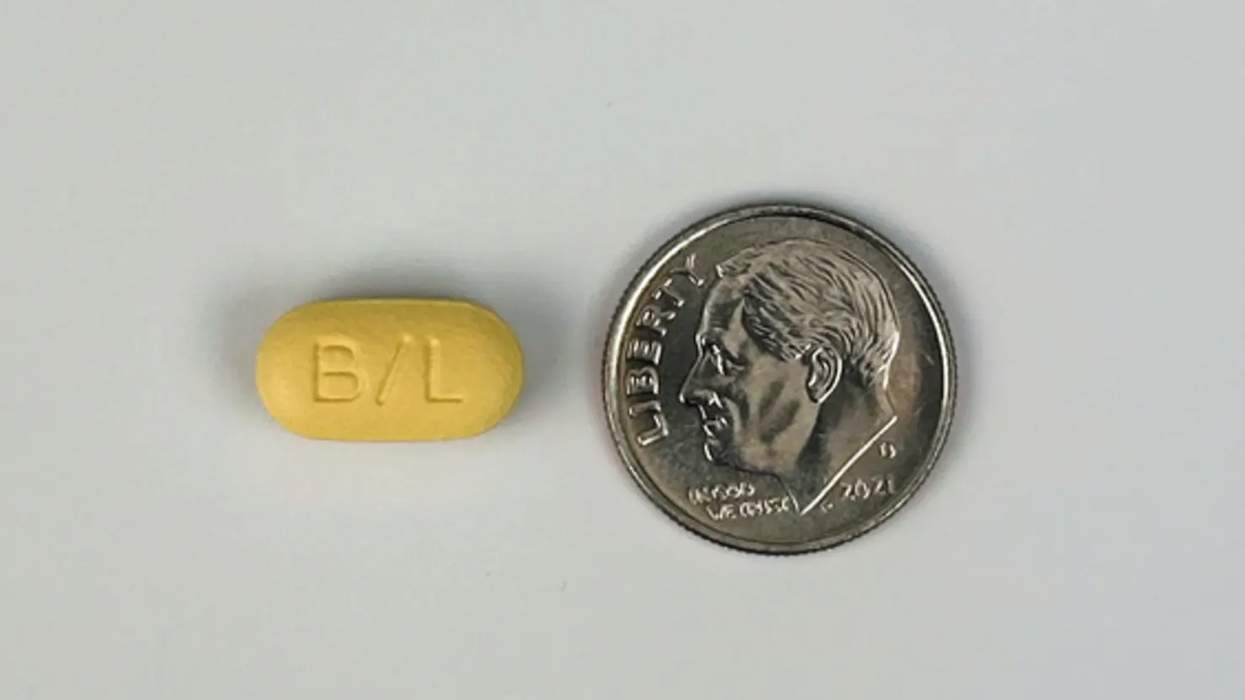
A New Once-Daily Pill to Treat HIV Just Got the FDA’s Green Light
August 31 2026 2:31 PM

Why affirming faith communities belong in the fight to end HIV
August 30 2026 8:00 AM

Navigating a new HIV diagnosis? Advocates say community is key
August 25 2026 3:33 PM

Gay Wine Weekend toasts 15 years of raising funds for HIV
August 25 2026 11:00 AM



A new HIV diagnosis doesn't have to be nerve-wracking. Advocates share their advice
July 30 2026 12:01 PM
Zero HIV Stigma Day: The epidemic we still choose to ignore
July 21 2026 7:00 AM

National HIV Prevention Day: Awareness is my superpower
July 17 2026 8:00 AM

Federal court clarifies that people with HIV can join the military again
June 03 2026 5:36 PM

Can a single infusion of immune cells suppress HIV for years?
May 11 2026 11:39 AM

National HIV advocacy group's CEO rejects claims of crisis
April 21 2026 5:14 PM


Beyond awareness: How youth leadership is reshaping the HIV response
April 10 2026 9:12 AM
Saving public health? AIDS United's new CEO has a plan
March 23 2026 9:48 AM
Struggling with daily HIV meds? Monthly shots may be the answer
March 20 2026 7:12 AM


After 40 Years living with HIV, this military veteran sees history repeating
February 27 2026 1:51 PM
Trending stories















Recommended Stories for You