Treatment GuideJust DiagnosedSex & DatingAfrican AmericanStigmaAsk the HIV DocPrEP En EspañolNewsVoicesPrint IssueVideoOut 100
CONTACTCAREER OPPORTUNITIESADVERTISE WITH USPRIVACY POLICYPRIVACY PREFERENCESTERMS OF USELEGAL NOTICE
© 2026 Pride Publishing Inc.
All Rights reserved
All Rights reserved

By continuing to use our site, you agree to our Privacy Policy and Terms of Use.

In the city that never sleeps you cannot afford to nap all day. But that is what I have been doing without fail at my Manhattan studio for the past six months. My friends think I am being elusive'but that is not the case. Some days I just cannot drag my butt out of bed, and honestly, I am rather embarrassed for them to see me in this pitiful state: lying here wishing that I had a plastic urinal because I am too tired to keep getting up to pee. Recently, debilitating fatigue, one of the most prevalent and distressful symptoms of HIV infection, has altered my strength. Lengthy trips to the local Starbucks have become increasingly difficult. But that might not be a bad thing, since all that a venti caramel macchiato with an extra shot of espresso buys me these days is over-the-top anxiety without an energy gain. Nights out for dinner and a movie are impossible. And in this city, where five-story walk-up buildings with steep stairs and no elevator are the norm, I am experiencing severe social paralysis. I asked my doctor about it. She told me that if I would stop being stubborn and take meds, I would experience a boost and feel much better. But no matter what I complain about'lack of sex, overdue rent, swollen joints, bunions, Michael Jackson'that seems to be her answer for everything. And that feels more like a measure of control than the honesty that I depend on her for. An unscientific poll of my med-taking comrades in ghettos across the nation says that although they take their cocktails religiously, their fatigue has stayed the same. So I made other inquiries. Research by Cornell's Stephen Ferrando, MD, and colleagues found that men with higher CD4 counts experience less fatigue. Yet researcher Julie Barroso, MD, of the University of North Carolina at Chapel Hill, reported just the opposite at the 13th National HIV/AIDS Update Conference: 'Patients with very good viral suppression actually had the highest levels of fatigue.' Similarly, the University of California, San Francisco's Lisa Capaldini, MD, has reported that some 10% to 15% of her patients who have had an excellent virologic response to combo therapy still experience tiredness. 'Simply controlling the virus does not necessarily fix fatigue,' she states. And as it stands, studies have so far not found a consistent correlation between surrogate markers and fatigue. Truth is, fatigue is one part of the AIDS-related complex that has not been extensively studied and is still not fully understood. So while some wisdom has been gleaned from clinical observations'people who feel fatigued in the morning, for example, rather than later in the day are likely to be suffering from depression'doctors and researchers note that that ailment can also be caused by anxiety, hormonal imbalances, medication side effects, dehydration, malnourishment, or, well, lack of good sleep. Go figure. With all of these gray areas it is tougher for me to know if I am wiped out because I skipped a meal or because I have worn myself thin trying to keep up with my numerous medical appointments. In other words, some days it is hard to separate the state of my fatigue from the wear and tear of everyday life. But when I found myself huffing and puffing down the aisles of my local supermarket, I knew something had to give. So I took matters into my own hands and took a trip to my local YMCA for some recuperative exercise: a walk on the treadmill and tai chi. My 70-year-old instructor, a wise-looking woman, told me that what I was experiencing was psychosomatic'and overcoming it depends on my state of mind. I am not certain about that. But as my strength is returning, at least I will not be too tired to mull that over. Whitfield is one of the nation's leading journalists reporting on AIDS among African-Americans. A frequent Vibe contributor, he is based in New York City. Write to Whitfield at leroy@hivplusmag.com.


From our Sponsors
Most Popular

Newly diagnosed with HIV? Advocates share their best advice for seeking treatment
April 29 2026 3:32 PM

How to find an HIV-competent healthcare provider, according to advocates
May 19 2026 4:55 PM
Plus: Featured Video
Latest Stories

Navigating a new HIV diagnosis? Advocates say community is key
August 25 2026 3:33 PM

A new HIV diagnosis doesn't have to be nerve-wracking. Advocates share their advice
July 30 2026 12:01 PM
Can a single infusion of immune cells suppress HIV for years?
May 11 2026 11:39 AM

National HIV advocacy group's CEO rejects claims of crisis
April 21 2026 5:14 PM


Beyond awareness: How youth leadership is reshaping the HIV response
April 10 2026 9:12 AM
Saving public health? AIDS United's new CEO has a plan
March 23 2026 9:48 AM
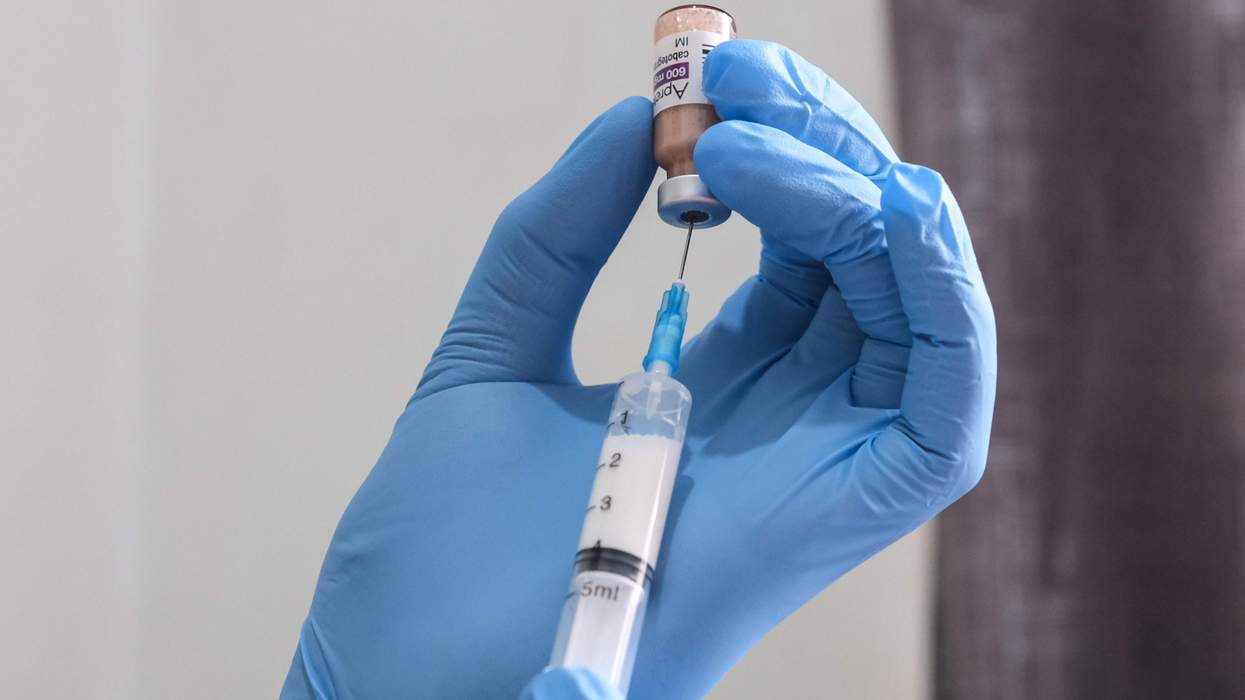
Struggling with daily HIV meds? Monthly shots may be the answer
March 20 2026 7:12 AM

Did you know over half of HIV-positive people in the world are female?
March 09 2026 6:47 PM
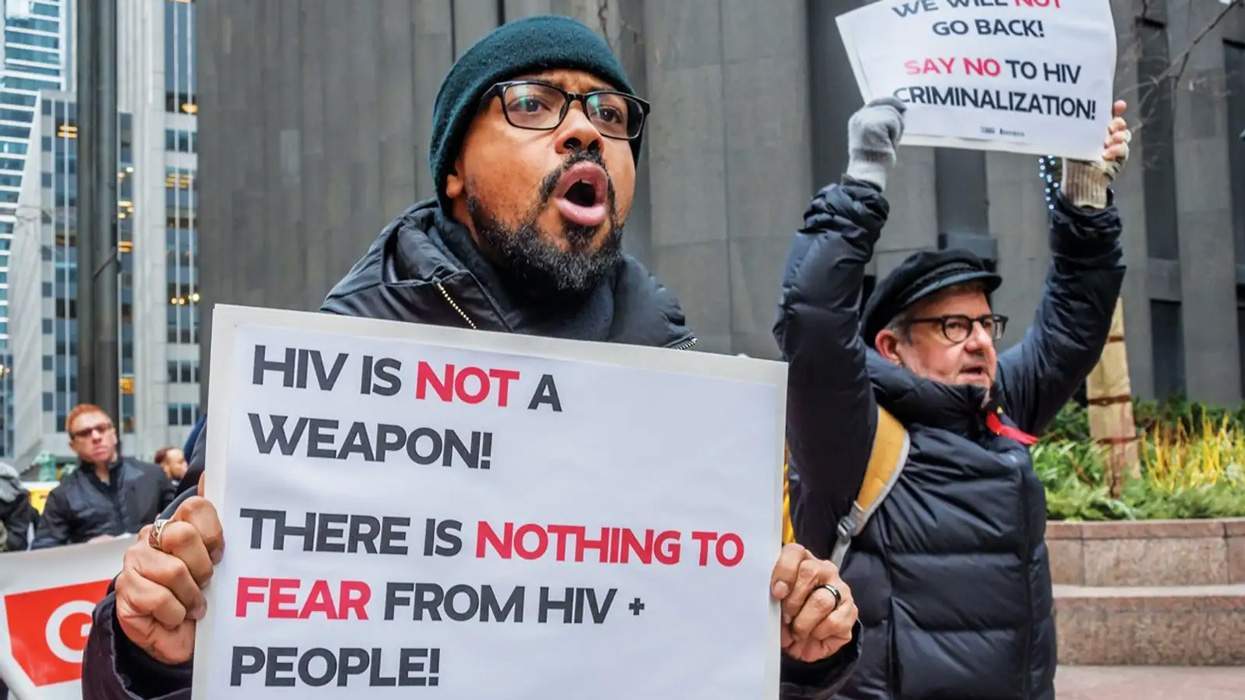
Why are Black people still the most affected by HIV criminalization?
February 27 2026 8:44 PM

What to know about HIV testing and treatment if you’re Black and LGBTQ+
February 24 2026 9:04 AM

6 Black activists who changed the HIV/AIDS response in America
February 09 2026 9:55 AM

National Black HIV/AIDS Awareness Day: a time for action on many fronts
February 07 2026 3:49 PM

Black Americans are disproportionately criminalized for living with HIV. Here's how
February 06 2026 4:26 PM
13 Black community organizations fighting HIV in the U.S. you should know
February 03 2026 10:45 AM

Meet the activist who wants people living with HIV to know they’re still sexy
January 28 2026 10:02 AM

An HIV breakthrough is here. Let's not let it go to waste
January 21 2026 12:40 PM


HIV-positive men stage 'Kiss-In' protest at U.S.-Mexico border
December 01 2025 12:56 PM
Trending stories














Recommended Stories for You