December 18 2009 12:00 AM EST
Treatment GuideJust DiagnosedSex & DatingAfrican AmericanStigmaAsk the HIV DocPrEP En EspañolNewsVoicesPrint IssueVideoOut 100
CONTACTCAREER OPPORTUNITIESADVERTISE WITH USPRIVACY POLICYPRIVACY PREFERENCESTERMS OF USELEGAL NOTICE
© 2026 Pride Publishing Inc.
All Rights reserved
All Rights reserved
By continuing to use our site, you agree to our Privacy Policy and Terms of Use.
The Canadian Blood Service in October began allowing men who have sex with men to join its pool of potential stem cell donors. Previously, gay and bisexual men would have been disqualified from the 250,000-person pool, just as they are from donating blood.
Advocates for gay blood donation say they hope the move will pave the way for changing how all blood and blood product donations are handled.
"We no longer have the justification to exclude an entire subset of the population based on the myth that by somehow excluding [gay men] we eliminate the chance of HIV transmission in the blood supply," says Lorne Neudorf, who has started the process of enrolling in the network of potential stem cell donors.
Neudorf, who filed a human rights complaint with the Canadian Blood Service after being rejected for blood donation in 2006, argues that lab screening is so advanced that sexual orientation should not automatically be a disqualifier for donating blood.
Jennifer Philippe, director of CBS's OneMatch Stem Cell and Marrow Network, says Health Canada updated the guidelines in 2008. Prior to that, the CBS's only option was to subject stem-cell donation to the same rules that govern blood donation. The new guidelines apply to cells, tissue, and organs, but not blood or blood products.
According to Philippe, about 100 gay or bisexual men who previously would have been rejected have now registered with the network.
"What other registries are doing -- by defaulting and not allowing these valuable donors to join -- is really limiting the options available to the patient," she says.
Though no screening offers 100% assurance of ruling out HIV or other infectious diseases, the CBS does "testing that is down to the RNA level, so detection of a virus is very, very good," says Philippe.


From our Sponsors
Most Popular
Newly diagnosed with HIV? Advocates share their best advice for seeking treatment
April 29 2026 3:32 PM
Plus: Featured Video
Latest Stories
A new HIV diagnosis doesn't have to be nerve-wracking. Advocates share their advice
July 30 2026 12:01 PM
How to find an HIV-competent healthcare provider, according to advocates
May 19 2026 4:55 PM
Can a single infusion of immune cells suppress HIV for years?
May 11 2026 11:39 AM

National HIV advocacy group's CEO rejects claims of crisis
April 21 2026 5:14 PM


Beyond awareness: How youth leadership is reshaping the HIV response
April 10 2026 9:12 AM
Saving public health? AIDS United's new CEO has a plan
March 23 2026 9:48 AM
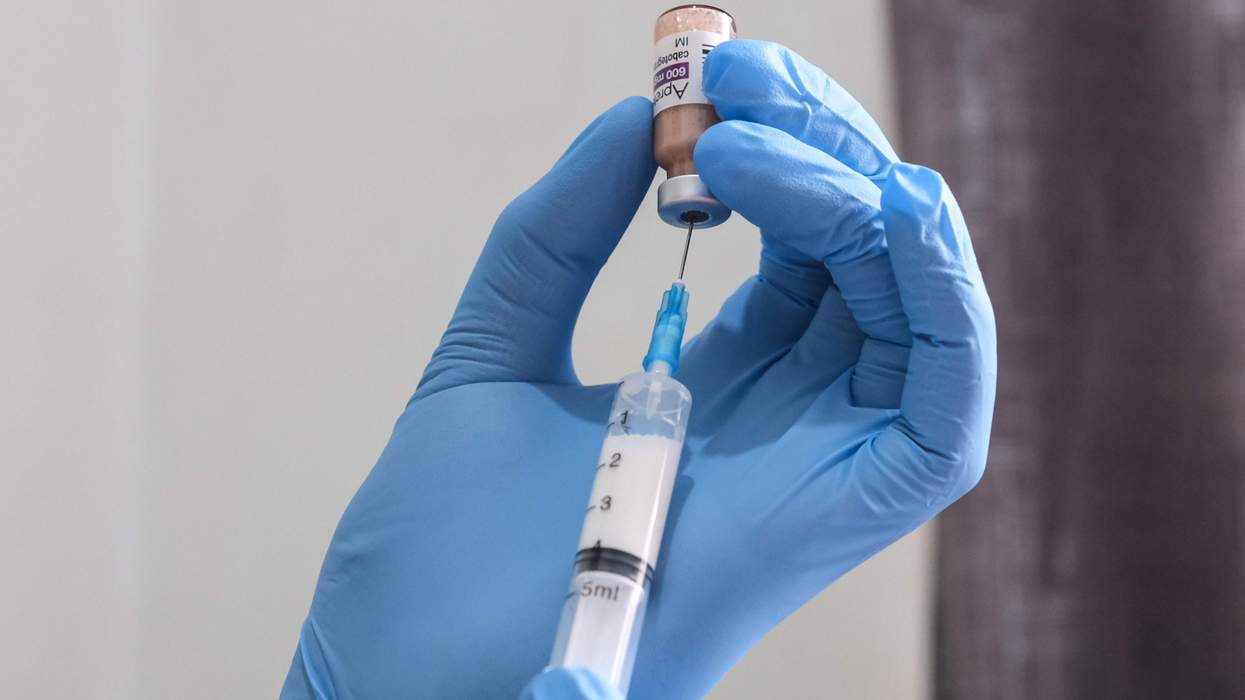
Struggling with daily HIV meds? Monthly shots may be the answer
March 20 2026 7:12 AM

Did you know over half of HIV-positive people in the world are female?
March 09 2026 6:47 PM
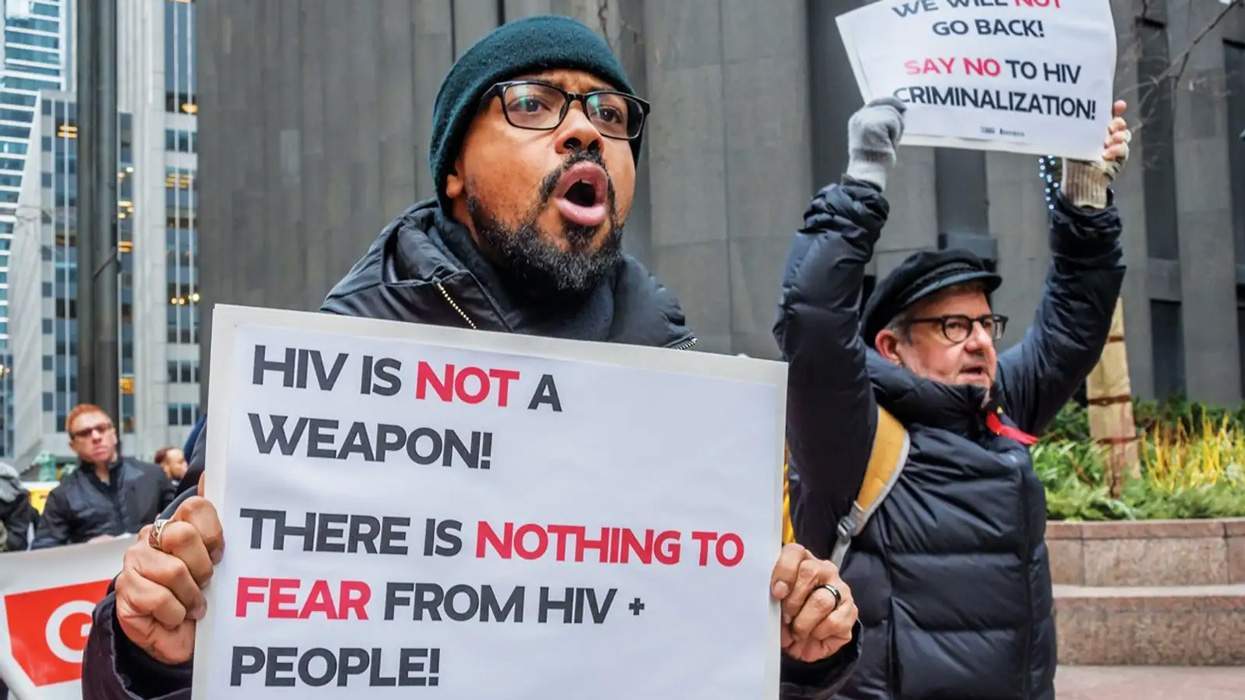
Why are Black people still the most affected by HIV criminalization?
February 27 2026 8:44 PM

What to know about HIV testing and treatment if you’re Black and LGBTQ+
February 24 2026 9:04 AM

6 Black activists who changed the HIV/AIDS response in America
February 09 2026 9:55 AM
National Black HIV/AIDS Awareness Day: a time for action on many fronts
February 07 2026 3:49 PM
Black Americans are disproportionately criminalized for living with HIV. Here's how
February 06 2026 4:26 PM
13 Black community organizations fighting HIV in the U.S. you should know
February 03 2026 10:45 AM

Meet the activist who wants people living with HIV to know they’re still sexy
January 28 2026 10:02 AM
An HIV breakthrough is here. Let's not let it go to waste
January 21 2026 12:40 PM

HIV-positive men stage 'Kiss-In' protest at U.S.-Mexico border
December 01 2025 12:56 PM
Trending stories














Recommended Stories for You