January 07 2010 12:34 PM EST
Treatment GuideJust DiagnosedSex & DatingAfrican AmericanStigmaAsk the HIV DocPrEP En EspañolNewsVoicesPrint IssueVideoOut 100
CONTACTCAREER OPPORTUNITIESADVERTISE WITH USPRIVACY POLICYPRIVACY PREFERENCESTERMS OF USELEGAL NOTICE
© 2026 Pride Publishing Inc.
All Rights reserved
All Rights reserved
By continuing to use our site, you agree to our Privacy Policy and Terms of Use.
A nationwide study found that suicide rates for HIV patients in Switzerland decreased by more than half after 1996, when highly active antiretroviral therapy was introduced. Despite the dramatic decrease, the suicide rate among HIV-infected individuals still significantly exceeded that of the general population.
The study also showed that the majority of HIV patients who died by suicide (62%) had a mental illness diagnosis.
The findings from this nationwide Swiss study by Olivia Keiser, Ph.D., and colleagues from the University of Bern released December 15 at AJP in Advance, the online advance of The American Journal of Psychiatry.
Keiser and a team found that the reduction in suicide risk after the introduction of antiretroviral therapy was associated with an increase in CD4 cells, indicating an improvement in HIV disease status. In the pre-HAART era high suicide rates were driven by disease progression, which at that time could not be prevented.
Although suicide rates have declined, there still remains a serious public-health concern that HIV patients are not receiving proper mental health treatment. Substantial proportions of HIV patients -- both before and after antiretroviral therapy was introduced -- had not been treated for their mental condition.
"HAART is not a cure," Keiser explains. "Even though the rates of suicide and untreated mental illness in HIV patients have declined, they're both still high and warrant increases in mental health screening and access to pharmacological and psychological treatment for these patients."
Data was provided by the Swiss National Cohort and the Swiss HIV Cohort Study, which are funded by the Swiss National Science Foundation. The Swiss HIV Cohort Study is one of the oldest HIV cohort studies worldwide and includes about 40% of all HIV-positive patients in Switzerland and about 70% of all patients with AIDS.


From our Sponsors
Most Popular

The road to U=U: How science has been liberating HIV+ people for a decade
July 01 2026 12:05 PM

Newly diagnosed with HIV? Advocates share their best advice for seeking treatment
April 29 2026 3:32 PM

How to find an HIV-competent healthcare provider, according to advocates
May 19 2026 4:55 PM
Plus: Featured Video
Latest Stories
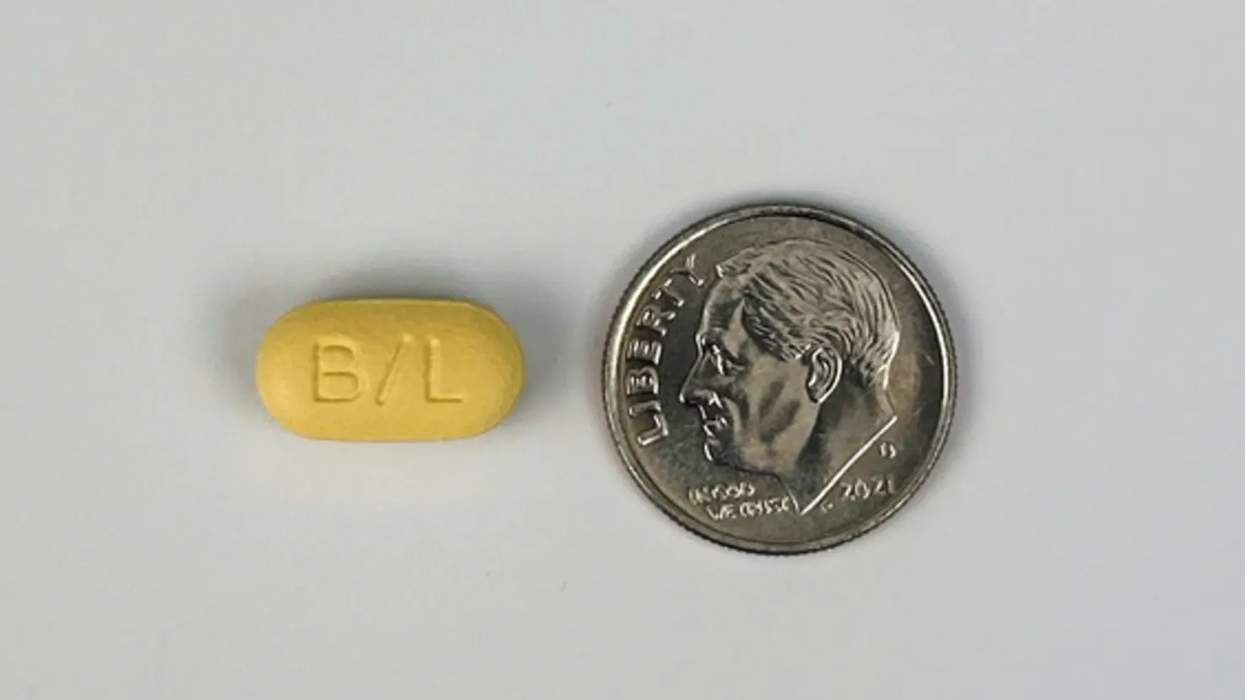
A New Once-Daily Pill to Treat HIV Just Got the FDA’s Green Light
August 31 2026 2:31 PM

Why affirming faith communities belong in the fight to end HIV
August 30 2026 8:00 AM

Navigating a new HIV diagnosis? Advocates say community is key
August 25 2026 3:33 PM

Gay Wine Weekend toasts 15 years of raising funds for HIV
August 25 2026 11:00 AM



A new HIV diagnosis doesn't have to be nerve-wracking. Advocates share their advice
July 30 2026 12:01 PM

Zero HIV Stigma Day: The epidemic we still choose to ignore
July 21 2026 7:00 AM

National HIV Prevention Day: Awareness is my superpower
July 17 2026 8:00 AM

Federal court clarifies that people with HIV can join the military again
June 03 2026 5:36 PM

Can a single infusion of immune cells suppress HIV for years?
May 11 2026 11:39 AM


National HIV advocacy group's CEO rejects claims of crisis
April 21 2026 5:14 PM



Beyond awareness: How youth leadership is reshaping the HIV response
April 10 2026 9:12 AM

Saving public health? AIDS United's new CEO has a plan
March 23 2026 9:48 AM
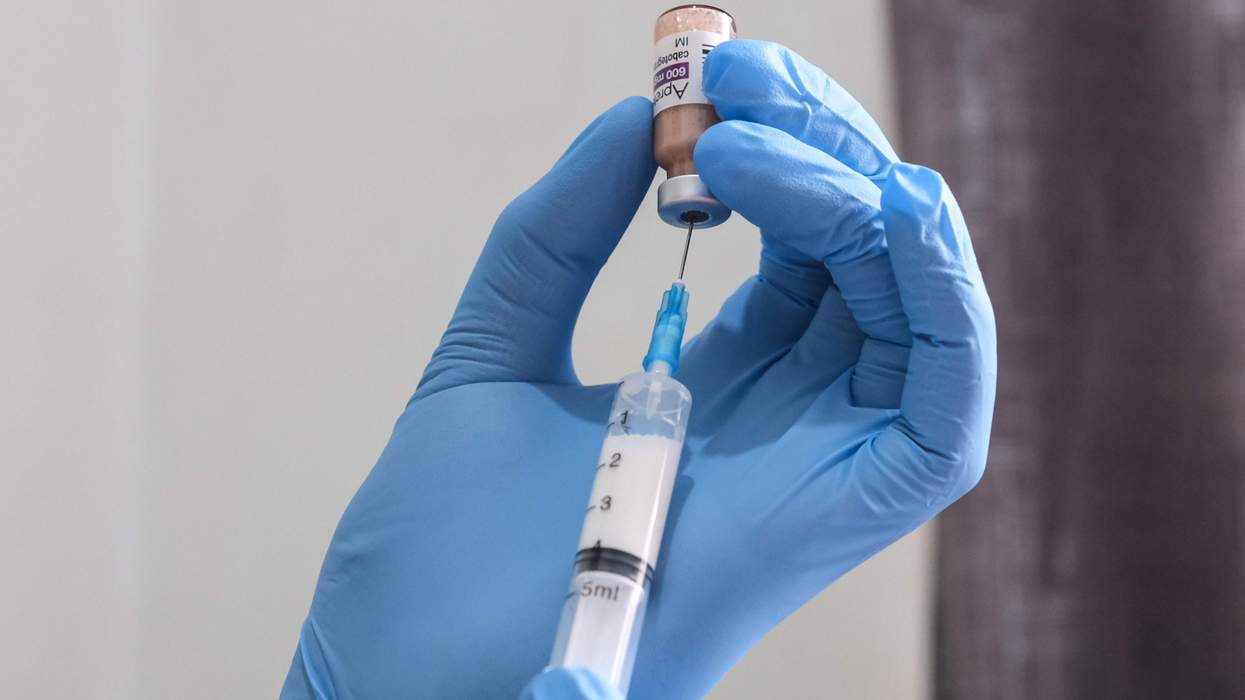
Struggling with daily HIV meds? Monthly shots may be the answer
March 20 2026 7:12 AM

Trending stories















Recommended Stories for You