March 03 2010 12:00 AM EST
Treatment GuideJust DiagnosedSex & DatingAfrican AmericanStigmaAsk the HIV DocPrEP En EspañolNewsVoicesPrint IssueVideoOut 100
CONTACTCAREER OPPORTUNITIESADVERTISE WITH USPRIVACY POLICYPRIVACY PREFERENCESTERMS OF USELEGAL NOTICE
© 2026 Pride Publishing Inc.
All Rights reserved
By continuing to use our site, you agree to our Privacy Policy and Terms of Use.
HIV prevention and treatment service coverage for injection-drug users is too low in many countries to prevent transmission, a discrepancy that affects infection rates at the local level, new research shows.
"Governments that have not made needle and syringe programs and opioid substitution available need to be convinced that these interventions are the most effective ways to stop HIV spreading among [IDUs], and to the wider community," said lead author Dr. Bradley Mathers of the University of New South Wales National Drug and Alcohol Research Center.
Australian health authorities distribute 213 clean needles per IDU each year, compared with 188 for the United Kingdom, 46 in Canada and 22 in the United States. In Russia, which has the second-largest IDU population after China, there is no methadone substitution. Other prevention measures among Russian IDUs are, similarly, virtually non-existent. HIV prevalence among Russian IDUs is 40 percent, versus just 1.5 percent among IDUs in Australia.
"Our high level of prevention in Australia has paid off with low levels of HIV infection among [IDUs] compared with countries with a similar level of injecting drug use," Mathers said.
Globally, just 8% of IDUs had access to a syringe exchange program last year, Mathers said. Coverage ranged from 100% in the Czech Republic and Ireland to less than 3% in China, Malaysia and Thailand. Opioid substitution therapy was available in only 70 of 151 countries with known IDU populations.
Only one of every 25 HIV-positive IDUs globally is receiving antiretroviral treatment. The worst treatment coverage was found in Kenya, Pakistan, and Russia.
The full report, "HIV Prevention, Treatment, and Care Services for People Who Inject Drugs: A Systematic Review of Global, Regional, and National Coverage," was published in The Lancet.


From our Sponsors
Most Popular

The road to U=U: How science has been liberating HIV+ people for a decade
July 01 2026 12:05 PM

Newly diagnosed with HIV? Advocates share their best advice for seeking treatment
April 29 2026 3:32 PM

How to find an HIV-competent healthcare provider, according to advocates
May 19 2026 4:55 PM
Plus: Featured Video
Latest Stories
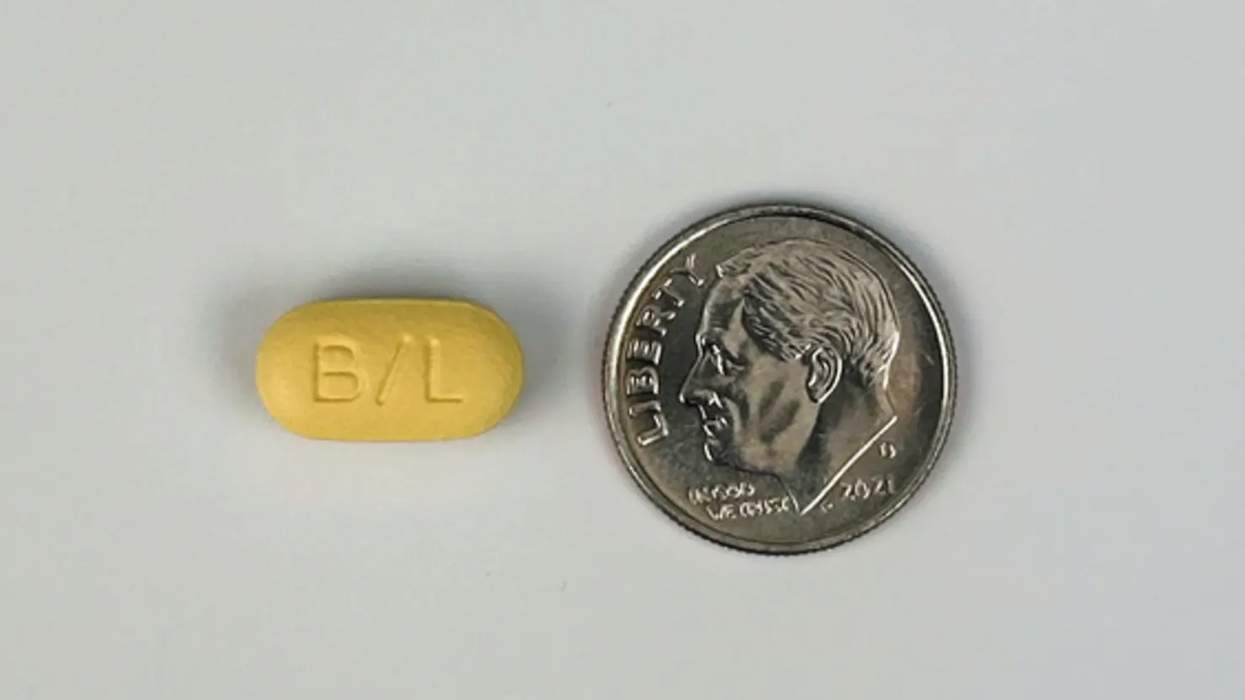
A New Once-Daily Pill to Treat HIV Just Got the FDA’s Green Light
August 31 2026 2:31 PM

Why affirming faith communities belong in the fight to end HIV
August 30 2026 8:00 AM

Navigating a new HIV diagnosis? Advocates say community is key
August 25 2026 3:33 PM

Gay Wine Weekend toasts 15 years of raising funds for HIV
August 25 2026 11:00 AM



A new HIV diagnosis doesn't have to be nerve-wracking. Advocates share their advice
July 30 2026 12:01 PM

Zero HIV Stigma Day: The epidemic we still choose to ignore
July 21 2026 7:00 AM

National HIV Prevention Day: Awareness is my superpower
July 17 2026 8:00 AM

Federal court clarifies that people with HIV can join the military again
June 03 2026 5:36 PM


Can a single infusion of immune cells suppress HIV for years?
May 11 2026 11:39 AM


National HIV advocacy group's CEO rejects claims of crisis
April 21 2026 5:14 PM



Beyond awareness: How youth leadership is reshaping the HIV response
April 10 2026 9:12 AM

Saving public health? AIDS United's new CEO has a plan
March 23 2026 9:48 AM
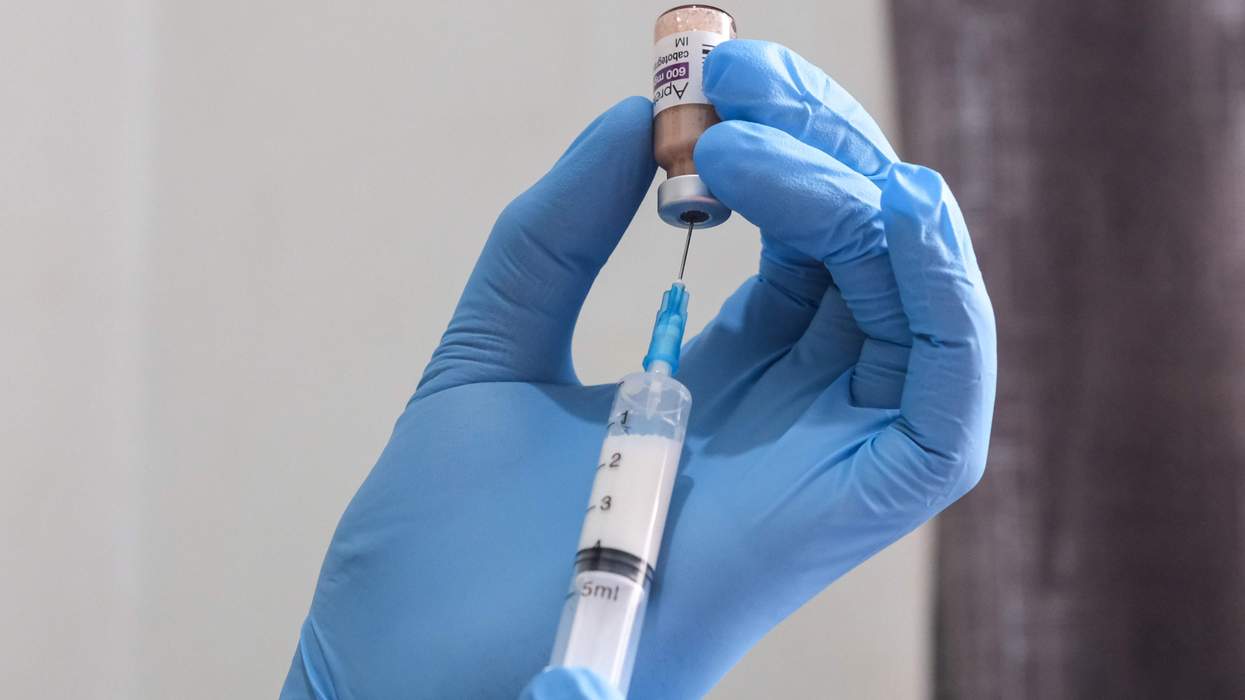
Struggling with daily HIV meds? Monthly shots may be the answer
March 20 2026 7:12 AM

Trending stories















Recommended Stories for You