May 06 2010 1:28 PM EST
Treatment GuideJust DiagnosedSex & DatingAfrican AmericanStigmaAsk the HIV DocPrEP En EspañolNewsVoicesPrint IssueVideoOut 100
CONTACTCAREER OPPORTUNITIESADVERTISE WITH USPRIVACY POLICYPRIVACY PREFERENCESTERMS OF USELEGAL NOTICE
© 2026 Pride Publishing Inc.
All Rights reserved
All Rights reserved
By continuing to use our site, you agree to our Privacy Policy and Terms of Use.
At the Royal College of Nursing's annual conference, on April 26 in Bournemouth, the head of Britain's largest nursing union said the National Health Service should consider prescribing heroin to drug addicts and open "consumption rooms" for users to inject drugs under medical supervision.
Speaking in a personal capacity following a debate on the issue, Peter Carter said, "I do believe in heroin prescribing. The fact is, heroin is very addictive." "If you are going to get people off heroin, then in the initial stages we have to have proper heroin prescribing services," he said.
Claire Topham Brown, a nurse from Cambridgeshire, said heroin prescriptions could help the NHS cut the transmission of blood-borne viruses like HIV and hepatitis and provide a "stepping stone" to wean users off heroin and on to methadone.
"Critics say you are encouraging drug addiction, but the reality is that these people are addicts and they are going to do it anyway," said Carter. "I think there should be research into drug consumption rooms -- they have them in Sydney and Amsterdam." In these two cities, he said, drug users have stopped injecting in public places like school playgrounds.
Pilot studies at King's College's national addiction center suggest medically supervised injection sites could cut local crime rates by two thirds over six months. Of 127 pilot participants, three quarters "substantially reduced" their use of street drugs. The number of crimes they committed declined from 1,731 in three months to 547 in six months.
The participants had access to a range of support services, including counseling, and typically attended the clinic up to two times a day, seven days a week. The annual cost per patient was roughly £15,000 (U.S. $22,965), compared with £40,000 (U.S. $61,240) for prison, the addiction researchers said.


From our Sponsors
Most Popular

The road to U=U: How science has been liberating HIV+ people for a decade
July 01 2026 12:05 PM

Newly diagnosed with HIV? Advocates share their best advice for seeking treatment
April 29 2026 3:32 PM

How to find an HIV-competent healthcare provider, according to advocates
May 19 2026 4:55 PM
Plus: Featured Video
Latest Stories
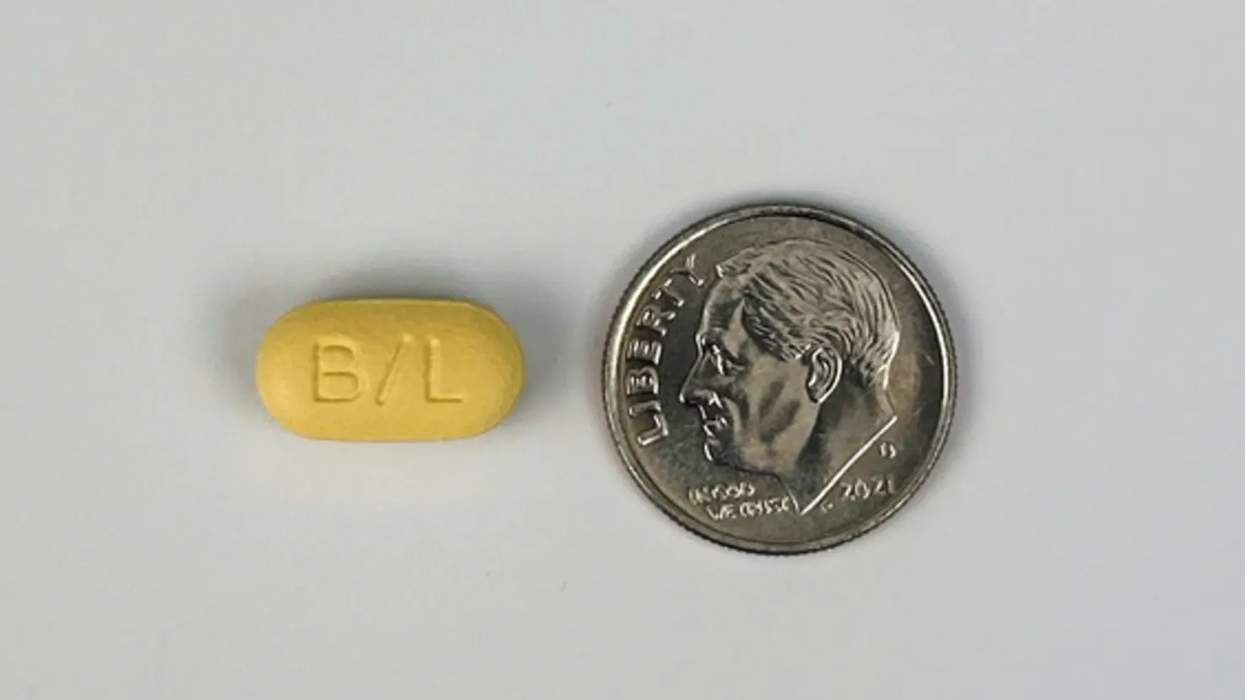
A New Once-Daily Pill to Treat HIV Just Got the FDA’s Green Light
August 31 2026 2:31 PM

Why affirming faith communities belong in the fight to end HIV
August 30 2026 8:00 AM

Navigating a new HIV diagnosis? Advocates say community is key
August 25 2026 3:33 PM

Gay Wine Weekend toasts 15 years of raising funds for HIV
August 25 2026 11:00 AM



A new HIV diagnosis doesn't have to be nerve-wracking. Advocates share their advice
July 30 2026 12:01 PM

Zero HIV Stigma Day: The epidemic we still choose to ignore
July 21 2026 7:00 AM

National HIV Prevention Day: Awareness is my superpower
July 17 2026 8:00 AM

Federal court clarifies that people with HIV can join the military again
June 03 2026 5:36 PM


Can a single infusion of immune cells suppress HIV for years?
May 11 2026 11:39 AM


National HIV advocacy group's CEO rejects claims of crisis
April 21 2026 5:14 PM



Beyond awareness: How youth leadership is reshaping the HIV response
April 10 2026 9:12 AM

Saving public health? AIDS United's new CEO has a plan
March 23 2026 9:48 AM
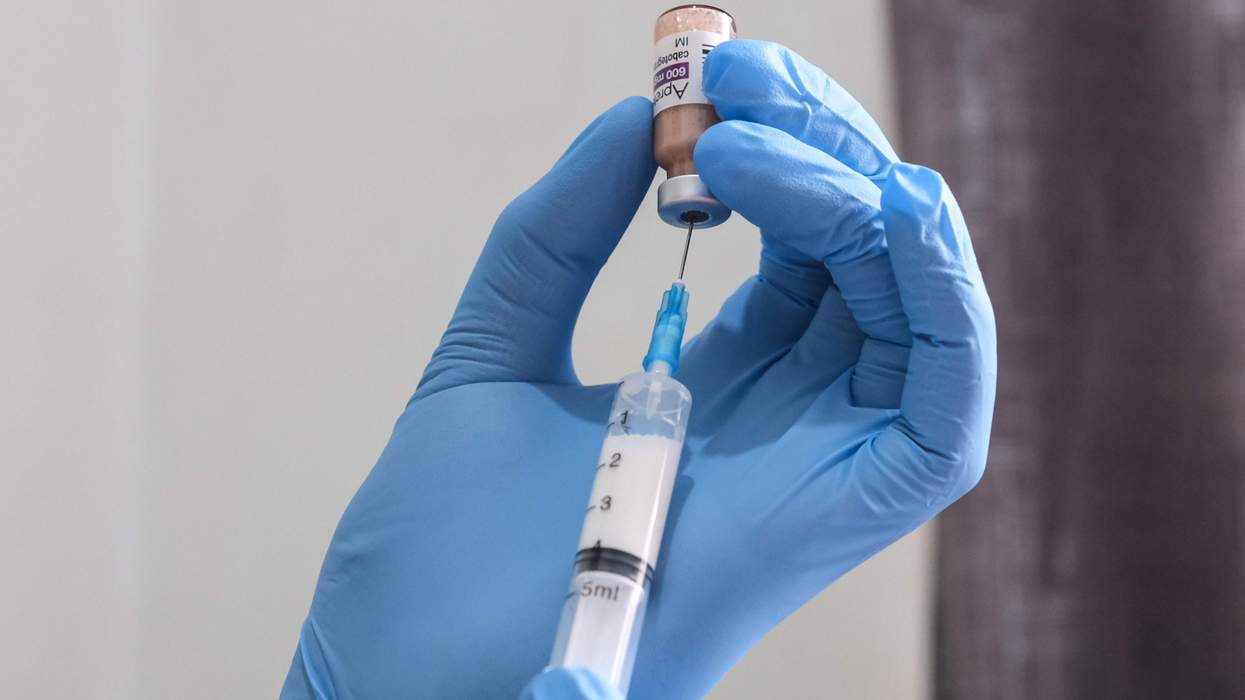
Struggling with daily HIV meds? Monthly shots may be the answer
March 20 2026 7:12 AM

Trending stories















Recommended Stories for You