September 29 2010 7:45 PM EST
Treatment GuideJust DiagnosedSex & DatingAfrican AmericanStigmaAsk the HIV DocPrEP En EspañolNewsVoicesPrint IssueVideoOut 100
CONTACTCAREER OPPORTUNITIESADVERTISE WITH USPRIVACY POLICYPRIVACY PREFERENCESTERMS OF USELEGAL NOTICE
© 2026 Pride Publishing Inc.
All Rights reserved
By continuing to use our site, you agree to our Privacy Policy and Terms of Use.
The world will not achieve universal access to HIV care, treatment, and prevention by the end of this year, though the goal is within "clear reach" in a number of countries, according to a new joint report by the World Health Organization, the Joint United Nations Programme on HIV/AIDS, and the United Nations Children’s Fund.
U.N. member states pledged four years ago to reach universal access targets of 80% coverage for the global HIV population, which in 2008 stood at more than 33 million people.
Worldwide, just one third of those in need of antiretroviral therapy have access to it, the report says. In low- and middle-income countries, 5.2 million people received antiretroviral treatment last year, 30% more than in 2008 and a 13-fold increase from six years ago. However, an estimated 10 million people still lack treatment access. Just eight low- and middle-income countries achieved universal access by 2009, including Cambodia, Cuba, and Rwanda.
The scale of prevention measures is still inadequate, the report noted. Population surveys in 10 low- and middle-income countries found that 60% of those infected did not know it, says Yves Souteyrand, WHO's HIV/AIDS coordinator. Stigma and discrimination against at-risk populations — sex workers, drug users, migrants, and men who have sex with men — add to their marginalization from treatment and care, the report states.
In 15 sub-Saharan countries, more than 80% of HIV-positive pregnant women received services and anti-HIV meds to prevent mother-to-child transmission, according to the report. Botswana and South Africa were among them. Fourteen low- and middle-income countries provide pediatric ARVs for children with HIV.
"At the same time, the financial crisis and resulting economic recession have prompted some countries to reassess their commitments to HIV programs," notes the report, which urges nations to come through with pledges and funding. Otherwise, the world "risks undoing the gains of the past years," agency heads say.


From our Sponsors
Most Popular

The road to U=U: How science has been liberating HIV+ people for a decade
July 01 2026 12:05 PM
Plus: Featured Video
Latest Stories
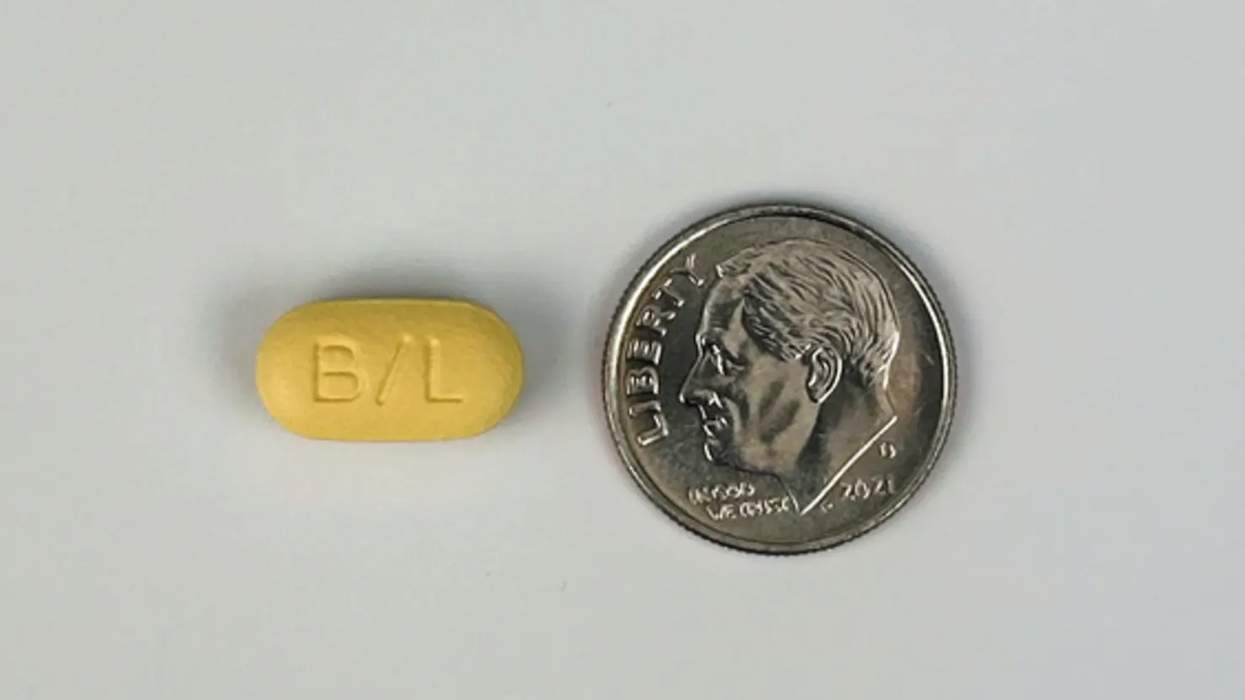
A New Once-Daily Pill to Treat HIV Just Got the FDA’s Green Light
August 31 2026 2:31 PM

Why affirming faith communities belong in the fight to end HIV
August 30 2026 8:00 AM

Navigating a new HIV diagnosis? Advocates say community is key
August 25 2026 3:33 PM

Gay Wine Weekend toasts 15 years of raising funds for HIV
August 25 2026 11:00 AM


Thanks to U=U, HIV-positive people are living long, happy, healthy lives.
August 11 2026 2:09 PM


A new HIV diagnosis doesn't have to be nerve-wracking. Advocates share their advice
July 30 2026 12:01 PM
Zero HIV Stigma Day: The epidemic we still choose to ignore
July 21 2026 7:00 AM

National HIV Prevention Day: Awareness is my superpower
July 17 2026 8:00 AM

Federal court clarifies that people with HIV can join the military again
June 03 2026 5:36 PM

How to find an HIV-competent healthcare provider, according to advocates
May 19 2026 4:55 PM

Can a single infusion of immune cells suppress HIV for years?
May 11 2026 11:39 AM


Newly diagnosed with HIV? Advocates share their best advice for seeking treatment
April 29 2026 3:32 PM

National HIV advocacy group's CEO rejects claims of crisis
April 21 2026 5:14 PM



Beyond awareness: How youth leadership is reshaping the HIV response
April 10 2026 9:12 AM
Trending stories















Recommended Stories for You