November 01 2010 7:49 PM EST
Treatment GuideJust DiagnosedSex & DatingAfrican AmericanStigmaAsk the HIV DocPrEP En EspañolNewsVoicesPrint IssueVideoOut 100
CONTACTCAREER OPPORTUNITIESADVERTISE WITH USPRIVACY POLICYPRIVACY PREFERENCESTERMS OF USELEGAL NOTICE
© 2026 Pride Publishing Inc.
All Rights reserved
All Rights reserved
By continuing to use our site, you agree to our Privacy Policy and Terms of Use.
Researchers at Oregon Health & Science University may have uncovered a new weapon for combating HIV as it is passed from mother to newborn child. The research, which was led by researchers at OHSU's Oregon National Primate Research Center, will be published in the October online edition of the journal Nature Medicine.
"Mother-to-infant transmission of HIV is a tremendous worldwide problem, especially in several African nations," says Nancy Haigwood, Ph.D., researcher and director of the Oregon National Primate Research Center at OHSU.
According to the latest data from the World Health Organization, 33.4 million people were infected by the virus in 2008. About 67% of the world's infections are in African countries. In addition, 91% of the world's childhood infections are in Africa.
Haigwood, her colleagues at OHSU, along with researchers at the University of Washington are investigating strategies for preventing or countering HIV infections in babies born to women with HIV. Their strategy: to educate part of the baby's immune system within the first few hours of birth to better fight off the disease.
"HIV attacks and kills T-cells, the white blood cells that play an important role in the immune system because they have the ability to identify and destroy disease invaders. By attacking the body's natural defenses, the disease progresses, causes AIDS and eventually death," explains Haigwood. "Therefore, many therapies focus on protecting T cells."
However, Haigwood and her colleagues took a different approach. They focused on another component of the immune system, which was initially thought to play a lesser role in the body's defense against HIV. Babies born to HIV-infected mothers have HIV-specific neutralizing antibodies at the time of birth that are "passively" acquired across the placenta. They wanted to determine whether boosted neutralizing antibody levels would weaken the disease's ability to overtake the body's defenses.
To investigate this possible treatment, the researchers studied three small groups of infant monkeys. The first group was given additional antibodies derived from healthy mothers. The second group was given antibodies matched to simian/human immunodeficiency virus. SHIV is a hybrid virus used in research to ensure that results translate between species. The third group of animals was provided with HIV antibodies similar to, but not exactly matching, the strain of infection they would receive. The three groups were then exposed to SHIV and their immune systems were subsequently monitored.
Unlike the other two groups, the "HIV-matched" animals were better protected from the virus. They developed higher levels of neutralizing antibodies and, had lower levels of SHIV in their blood plasma than the comparison groups six months post-infection. In addition they maintained their CD4+ T cells -- another component of the immune system.
The study also provided insights into the level of antibodies needed to impact disease progression. For this study, the antibody levels were relatively low dosed. Previously, antibodies were shown to block infection in animal models. This study demonstrated, for the first time, that very low levels of antibodies -- too low to block infection -- can influence disease progression in this setting and stimulate an immune response that contributes to viral control in the absence of drug treatment.
In future studies, the researchers hope to learn whether higher doses of antibodies translate into greater protection for the infants.
"This research demonstrates that boosting the body's HIV antibodies -- by a time-honored method of passive transfer that would use new HIV-specific human monoclonal antibodies -- may be a strategy for reducing infection levels and protecting CD4+ T cells in newborn children," says Haigwood. "While the treatment would not likely prevent infection, it could limit the levels of infection in children which would greatly reduce suffering and extend lives."


From our Sponsors
Most Popular

The road to U=U: How science has been liberating HIV+ people for a decade
July 01 2026 12:05 PM

Newly diagnosed with HIV? Advocates share their best advice for seeking treatment
April 29 2026 3:32 PM

How to find an HIV-competent healthcare provider, according to advocates
May 19 2026 4:55 PM
Plus: Featured Video
Latest Stories
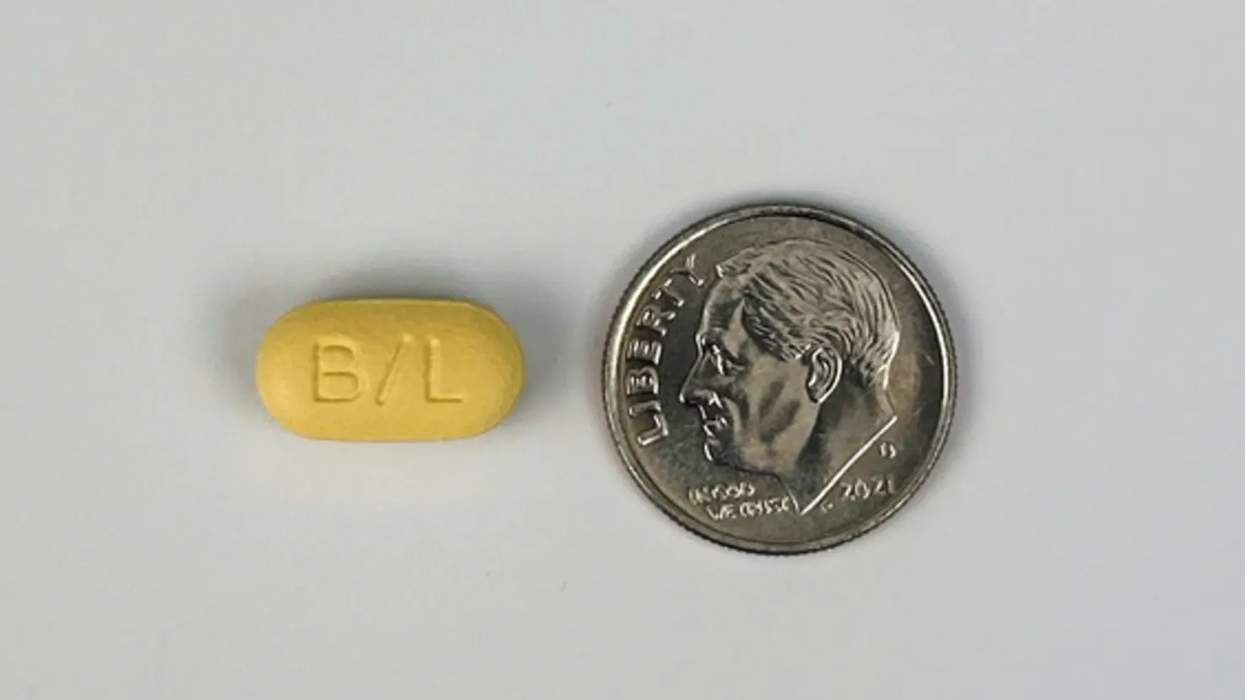
A New Once-Daily Pill to Treat HIV Just Got the FDA’s Green Light
August 31 2026 2:31 PM

Why affirming faith communities belong in the fight to end HIV
August 30 2026 8:00 AM

Navigating a new HIV diagnosis? Advocates say community is key
August 25 2026 3:33 PM

Gay Wine Weekend toasts 15 years of raising funds for HIV
August 25 2026 11:00 AM



A new HIV diagnosis doesn't have to be nerve-wracking. Advocates share their advice
July 30 2026 12:01 PM

Zero HIV Stigma Day: The epidemic we still choose to ignore
July 21 2026 7:00 AM

National HIV Prevention Day: Awareness is my superpower
July 17 2026 8:00 AM

Federal court clarifies that people with HIV can join the military again
June 03 2026 5:36 PM

Can a single infusion of immune cells suppress HIV for years?
May 11 2026 11:39 AM


National HIV advocacy group's CEO rejects claims of crisis
April 21 2026 5:14 PM


Beyond awareness: How youth leadership is reshaping the HIV response
April 10 2026 9:12 AM

Saving public health? AIDS United's new CEO has a plan
March 23 2026 9:48 AM
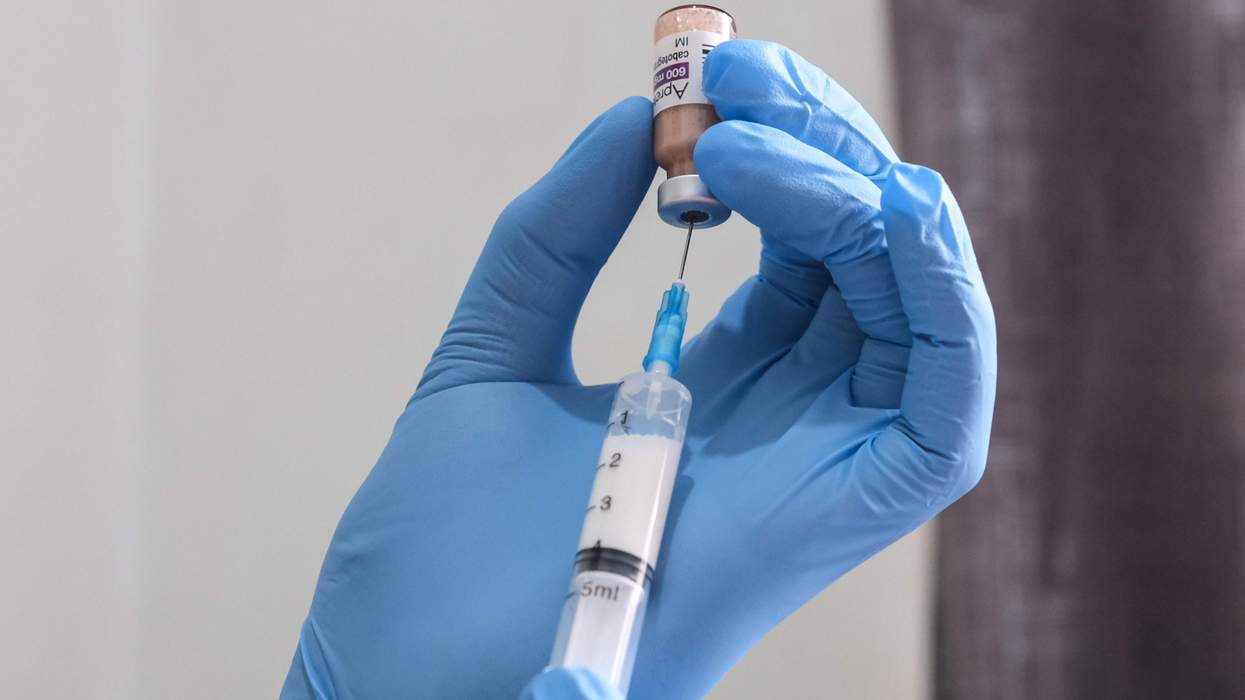
Struggling with daily HIV meds? Monthly shots may be the answer
March 20 2026 7:12 AM

Trending stories















Recommended Stories for You