Treatment GuideJust DiagnosedSex & DatingAfrican AmericanStigmaAsk the HIV DocPrEP En EspañolNewsVoicesPrint IssueVideoOut 100
CONTACTCAREER OPPORTUNITIESADVERTISE WITH USPRIVACY POLICYPRIVACY PREFERENCESTERMS OF USELEGAL NOTICE
© 2026 Pride Publishing Inc.
All Rights reserved
All Rights reserved

By continuing to use our site, you agree to our Privacy Policy and Terms of Use.

On average, people with untreated HIV progress to AIDS in about 10 years. However, a small group of HIV-positive people develop very few or no symptoms of AIDS, even without the use of antiretroviral drugs. Now researchers led by a Massachusetts General Hospital team have found that about one in 300 people with HIV never display symptoms of their infection because of the way their immune system reacts to the virus. These 'controllers''as the researchers classify the one in 300'have immune systems that, because of a genetic variation, alert the body's virus-killing T cells of HIV's presence, thereby preventing HIV from replicating and destroying immune cells. Mass General and other institutions recruited thousands of HIVers in North America, Europe, and Australia for the study, whose results were published in the journal Science in November. The researchers found that the controllers showed very little of the virus in their blood, and in some cases it was entirely undetectable. Still, the patients had tested positive for HIV antibodies, indicating that they had indeed contracted the virus. Bruce Walker, MD, a professor at Harvard Medical School and Mass General's director of AIDS research, first became involved with controllers when the Reverend Robert Massie, a young Episcopal minister, came to his office in 1994, a decade after learning he had HIV, but still showing no symptoms. He came to Walker to find out why he was still alive and well, and he thought his case might provide information that could help others. Walker at first was certain that Massie had received a false-positive HIV antibody test result. After Walker took his own tests and confirmed that Massie was truly HIV-positive, Massie became the first subject in a study that has grown to include 3,500 volunteers. Florencia Pereyra, MD, who worked on the research team, told HIV Plus that it is still unclear how the data from the study will aid in development of drug therapies, but she said the intense examination of the immune system will help scientists understand how to manipulate cell operations. For instance, researchers might be able to determine how to artificially replicate the controllers' natural response in others with HIV.


From our Sponsors
Most Popular
Plus: Featured Video
Latest Stories
How to find an HIV-competent healthcare provider, according to advocates
May 19 2026 4:55 PM
Can a single infusion of immune cells suppress HIV for years?
May 11 2026 11:39 AM


Newly diagnosed with HIV? Advocates share their best advice for seeking treatment
April 29 2026 3:32 PM
National HIV advocacy group's CEO rejects claims of crisis
April 21 2026 5:14 PM


Beyond awareness: How youth leadership is reshaping the HIV response
April 10 2026 9:12 AM
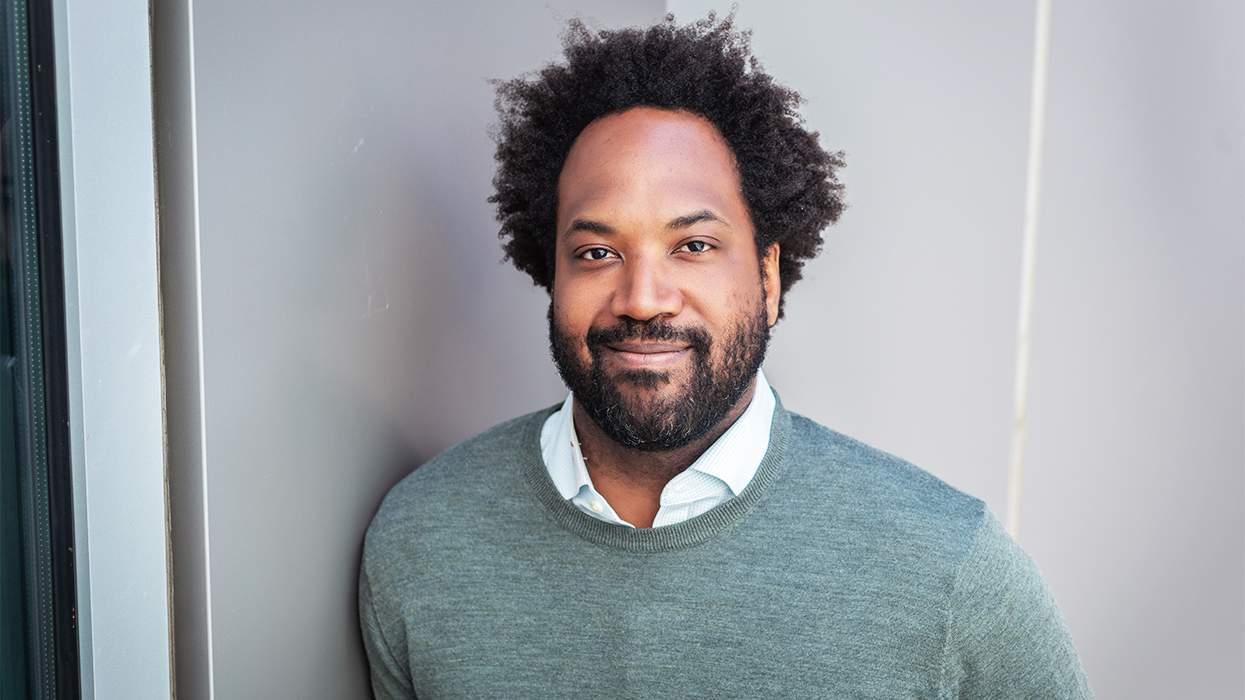
Saving public health? AIDS United's new CEO has a plan
March 23 2026 9:48 AM
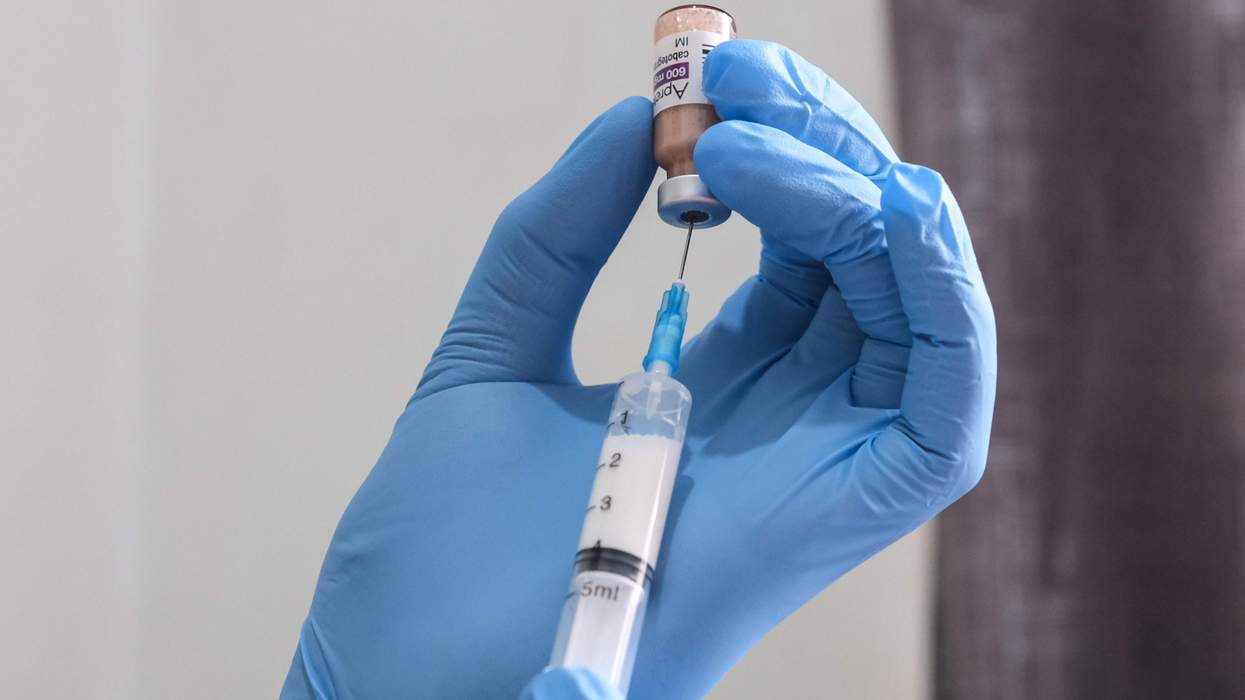
Struggling with daily HIV meds? Monthly shots may be the answer
March 20 2026 7:12 AM

Did you know over half of HIV-positive people in the world are female?
March 09 2026 6:47 PM
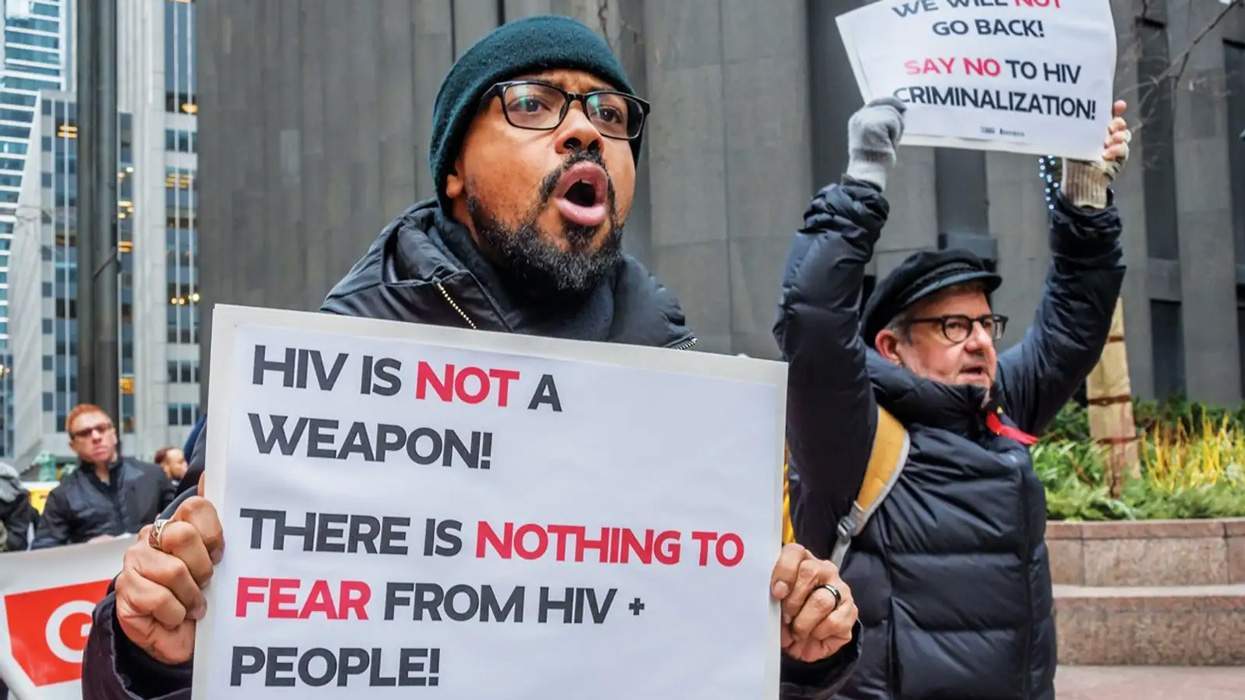
Why are Black people still the most affected by HIV criminalization?
February 27 2026 8:44 PM

What to know about HIV testing and treatment if you’re Black and LGBTQ+
February 24 2026 9:04 AM

6 Black activists who changed the HIV/AIDS response in America
February 09 2026 9:55 AM

National Black HIV/AIDS Awareness Day: a time for action on many fronts
February 07 2026 3:49 PM
Black Americans are disproportionately criminalized for living with HIV. Here's how
February 06 2026 4:26 PM
13 Black community organizations fighting HIV in the U.S. you should know
February 03 2026 10:45 AM

Meet the activist who wants people living with HIV to know they’re still sexy
January 28 2026 10:02 AM
An HIV breakthrough is here. Let's not let it go to waste
January 21 2026 12:40 PM


HIV-positive men stage 'Kiss-In' protest at U.S.-Mexico border
December 01 2025 12:56 PM
Trending stories














Recommended Stories for You