While recieving an HIV diagnosis can certainly be jarring and upsetting for a variety of reasons, the good news is that with today’s many highly effective treatment options, people living with HIV can now enjoy just as long, happy, and healthy lives as those living without the virus — including having a safe and fulfilling sex life!
Here are answers to six of the most commonly asked questions by people who've just found out they are HIV-positive:
What are the first symptoms of HIV?
Flu-like symptoms such as fatigue, fever, sore throat, body aches, headache, and swollen lymph nodes are common for many people shortly after they contract HIV. However, some people experience no symptoms at all. These intial symptons typically appear around 2 - 4 weeks after aquiring the virus, and can take anywhere from a few days to several weeks to subside. Fortunately, if you get (and stay) on treatment right away, you're not likely to experience any more HIV-related symptoms or health complications.
How did I get HIV?
You likely acquired the virus by coming into contact with the blood or sexual fluids of someone who is HIV-positive. The most common modes of transmission include unprotected anal or vaginal sex and sharing of IV drug needles.
Is there a cure for HIV?
Not yet, but the science and research community continues to work hard on finding one. A handful of people around the world in recent years have seemingly been "cured" of HIV after receiving stem-cell transplants -- however, due to the procedure's extreme health risks, stem-cell transplants are limited to people with certain cancers and not currently approved as a functional cure.
Do I have to take antiretroviral meds every day? Forever?
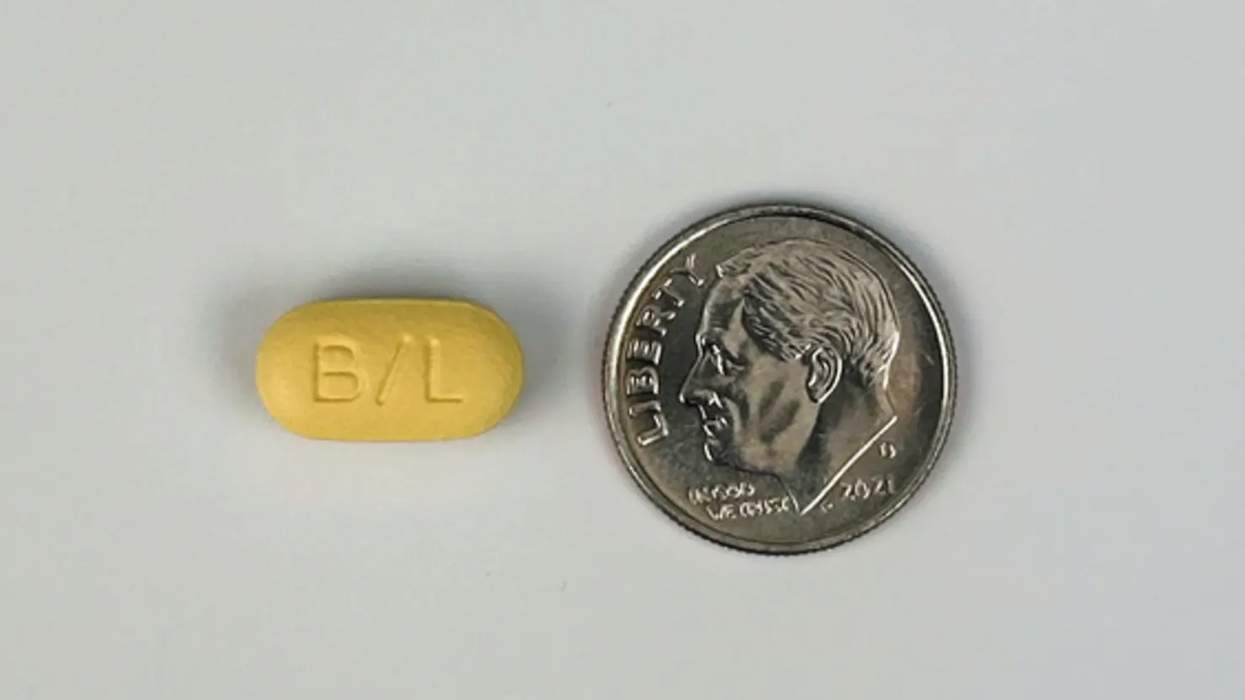
Yes and no. Staying on your meds is hugely important, and combining early treatment with continuous adherence is the best way to maintain your long-term health. But doctors and pharmaceutical companies alike realized that, for many, maintaining a daily pill regimen can be challenging, so there are now long-acting injectable options as well. Talk to your doctor about which regimen might be best for you, especially if you are having issues adhering to you current one or experiencing difficult side effects.
What is an "undetectable" viral load?
Typically, once a person livng with HIV is on proper treatment, their viral load (the amount of HIV detectable in a blood test) will reach undetectable levels. Also called viral suppression and defined as reducing the amount of HIV to less than 200 copies/ml, being undetectable has been proven to prevent HIV transmission between partners.
What is U=U? Good news!
"Undetectable equals untransmittable," or U=U, is a globally recognized scientific consensus that means people whose HIV has reached undetectable levels are no longer able to transmit HIV to a sexual partner. The CDC states that “across three different studies, including thousands of couples and many thousand acts of sex without a condom or pre-exposure prophylaxis (PrEP), no HIV transmissions to an HIV-negative partner were observed when the HIV-positive person was virally suppressed. This means that people who take [antiretroviral therapy] daily as prescribed and achieve and maintain an undetectable viral load have effectively no risk of transmitting the virus to an HIV-negative partner.”