January 04 2010 6:20 PM EST
Treatment GuideJust DiagnosedSex & DatingAfrican AmericanStigmaAsk the HIV DocPrEP En EspañolNewsVoicesPrint IssueVideoOut 100
CONTACTCAREER OPPORTUNITIESADVERTISE WITH USPRIVACY POLICYPRIVACY PREFERENCESTERMS OF USELEGAL NOTICE
© 2026 Pride Publishing Inc.
All Rights reserved
All Rights reserved
By continuing to use our site, you agree to our Privacy Policy and Terms of Use.
An estimated 25,000 Americans develop severe fungal infections each year, leading to 10,000 deaths despite the use of antifungal drugs. The associated cost to the U.S. health care system has been estimated at $1 billion a year.
[ WELLNESS WEDNESDAY ]
Now two Syracuse University scientists have developed new brominated furanones that exhibit powerful antifungal properties.
The most virulent fungus is Candida albicans, which is carried by about 75% of the public. Typically the fungus is harmless but in individuals with HIV or otherwise compromised immune systems it can cause candidiasis, which has a high mortality rate. The fungi can also form biofilms that attach to surfaces and are up to 1,000 times more resistant to antifungals.
"These new furanones have the potential to control such infections and save lives," says assistant professor Dacheng Ren of the department of biomedical and chemical engineering in SU's L.C. Smith College of Engineering and Computer Science. "In our tests, they reduced fungal growth by more than 80%, and we hope to improve on that going forward."
Ren and his collaborator, chemistry professor Yan-Yeung Luk of SU's College of Arts and Sciences, have filed a nonprovisional patent application. They have also published related results in the Journal of Applied Microbiology and Biotechnology.
Over the past 20 years pathogenic fungi have developed growing resistance to antifungal drugs. This stimulated a strong demand for more effective drugs and led to the successful research at Syracuse. The researchers' genomic study suggests that furanones have different genetic targets than current antifungal agents and thus may avoid drug resistance acquired in the past. The research team has also shown previously that these furanones inhibit bacterial biofilm formation; thus they may help control chronic infections where biofilms often appear, on surgical, dental, and other implants.
Ongoing furanones research at Syracuse University will investigate a broad spectrum of other potential capabilities, ranging from diverse medical uses, such as controlling bacterial and fungal biofilms, to anti-fungal wood preservatives for the building materials market.


From our Sponsors
Most Popular

The road to U=U: How science has been liberating HIV+ people for a decade
July 01 2026 12:05 PM

Newly diagnosed with HIV? Advocates share their best advice for seeking treatment
April 29 2026 3:32 PM

How to find an HIV-competent healthcare provider, according to advocates
May 19 2026 4:55 PM
Plus: Featured Video
Latest Stories
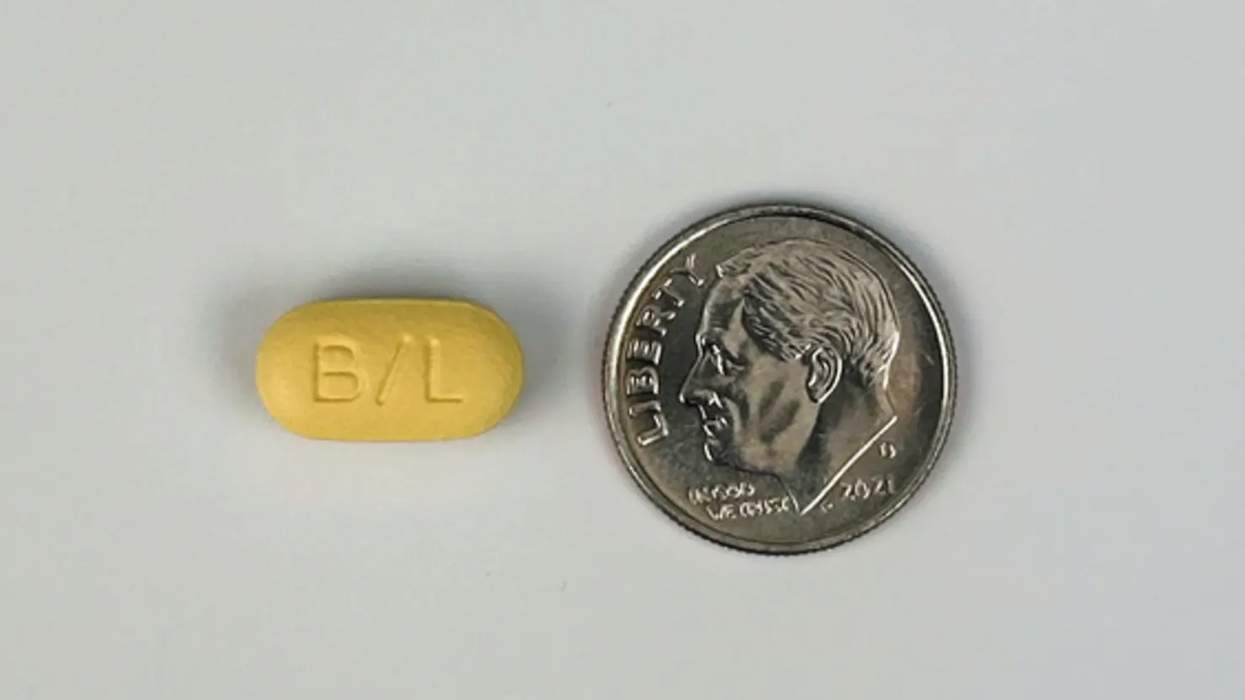
A New Once-Daily Pill to Treat HIV Just Got the FDA’s Green Light
August 31 2026 2:31 PM

Why affirming faith communities belong in the fight to end HIV
August 30 2026 8:00 AM

Navigating a new HIV diagnosis? Advocates say community is key
August 25 2026 3:33 PM

Gay Wine Weekend toasts 15 years of raising funds for HIV
August 25 2026 11:00 AM



A new HIV diagnosis doesn't have to be nerve-wracking. Advocates share their advice
July 30 2026 12:01 PM

Zero HIV Stigma Day: The epidemic we still choose to ignore
July 21 2026 7:00 AM

National HIV Prevention Day: Awareness is my superpower
July 17 2026 8:00 AM

Federal court clarifies that people with HIV can join the military again
June 03 2026 5:36 PM

Can a single infusion of immune cells suppress HIV for years?
May 11 2026 11:39 AM


National HIV advocacy group's CEO rejects claims of crisis
April 21 2026 5:14 PM


Beyond awareness: How youth leadership is reshaping the HIV response
April 10 2026 9:12 AM

Saving public health? AIDS United's new CEO has a plan
March 23 2026 9:48 AM
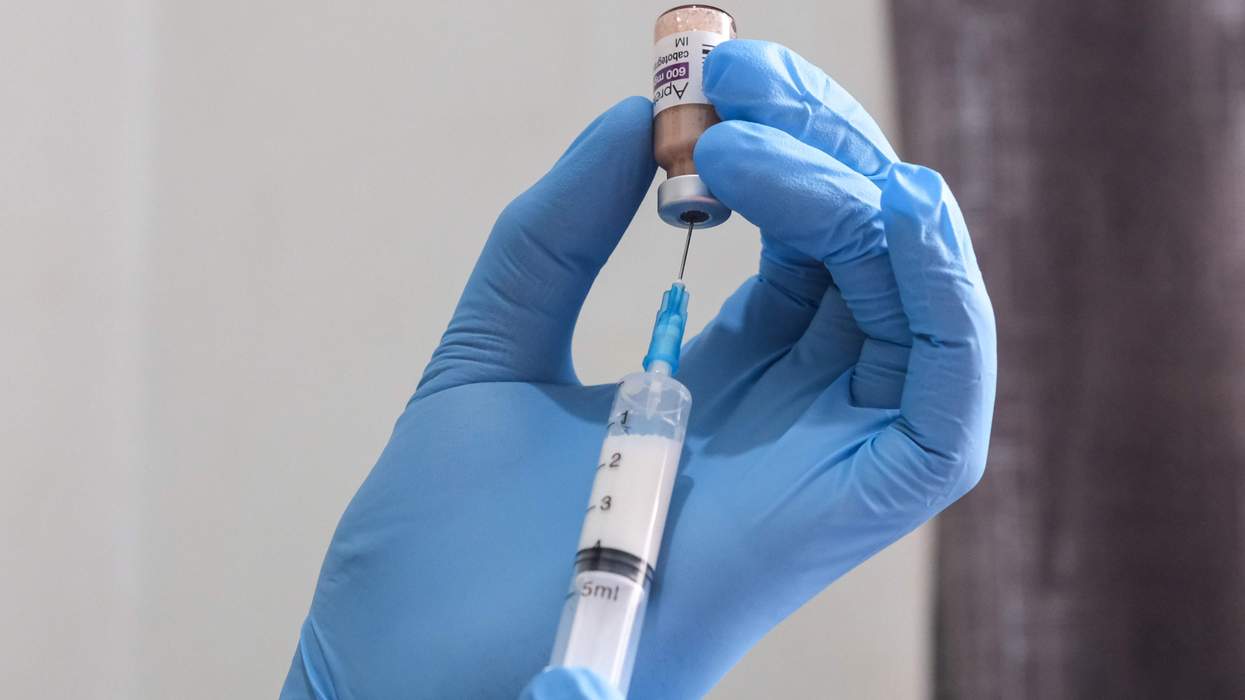
Struggling with daily HIV meds? Monthly shots may be the answer
March 20 2026 7:12 AM

Trending stories















Recommended Stories for You