All Rights reserved

By continuing to use our site, you agree to our Privacy Policy and Terms of Use.

DaBaby isn’t done making things right.
Following the harmful and controversial comments he made about HIV and AIDS at his performance at Miami's Rolling Loud music festival in late July, the 29-year-old rapper has lost out on many paid opportunities and performances, taking to social media to offer an apology. But many, especially in the community, don’t see it as enough.
With that in mind, 11 HIV organizations, including Arianna’s Center, the Black AIDS Institute, GLAAD, the Normal Anomaly Initiative, Prevention Access Campaign, Relationship Unleashed, and leaders from the Gilead COMPASS Initiative including Southern AIDS Coalition, Emory University, the University of Houston, and Wake Forest University, have signed and released an open letter to the rapper asking him to meet with them so he can learn more about the disease and help amplify correct information about living with it.
"We heard your inaccurate and harmful comments at Rolling Loud and have read your Instagram apology. However, at a time when HIV continues to disproportionately impact Black Americans and queer and transgender people of color, a dialogue is critical," the letter reads. "We must address the miseducation about HIV, expressed in your comments, and the impact it has on various communities."
The orgs also offer specific steps he can take to start making up for the comments. "We believe that you now have an opportunity to not just move past this unfortunate incident, but to use your platform and celebrity to heal not harm," it reads.
"We believe that anyone can be an HIV advocate by amplifying: how there is medication (PrEP) that can prevent people from getting HIV with one pill a day, how routine treatment stops the virus from being passed on by people living with the HIV, how people receiving HIV care can survive and thrive while living with it, and how open and empathetic conversations eliminate stigma."
"You can be a powerful and influential voice, especially across your home base in the South, where the Black community’s needs are notoriously under-represented across every public spectrum," the letter continues. "We encourage you to share this information with your fans and followers, and become an agent of truth and change."
Raniyah Copeland, the president and CEO of the Black AIDS Institute, said DaBaby’s comments specifically hit the Black community harder than others.
"DaBaby's words reflect the mindset of many Black folks," she said. "Whether it's stigmatizing people who are gay, trans, and/or living with HIV, or it's a deeply rooted misogynoir, we can end HIV within our lifetime only if we work past ignorance that holds up systems of anti-Blackness that hurt and divide us."
"It's why critical conversations about shaming and oppressing our own people must be had in the whole of Black communities," she continued. "Having Black-led HIV organizations, particularly from the South, join this effort underscores the need for widespread Black leadership in brokering conversations that turn the misinformed into messengers of truth. We must ensure we ourselves are creating a world where all Black lives are afforded the humanity we deserve."
To read the letter in its entirety, head over to GLAAD’s website.


From our Sponsors
Most Popular
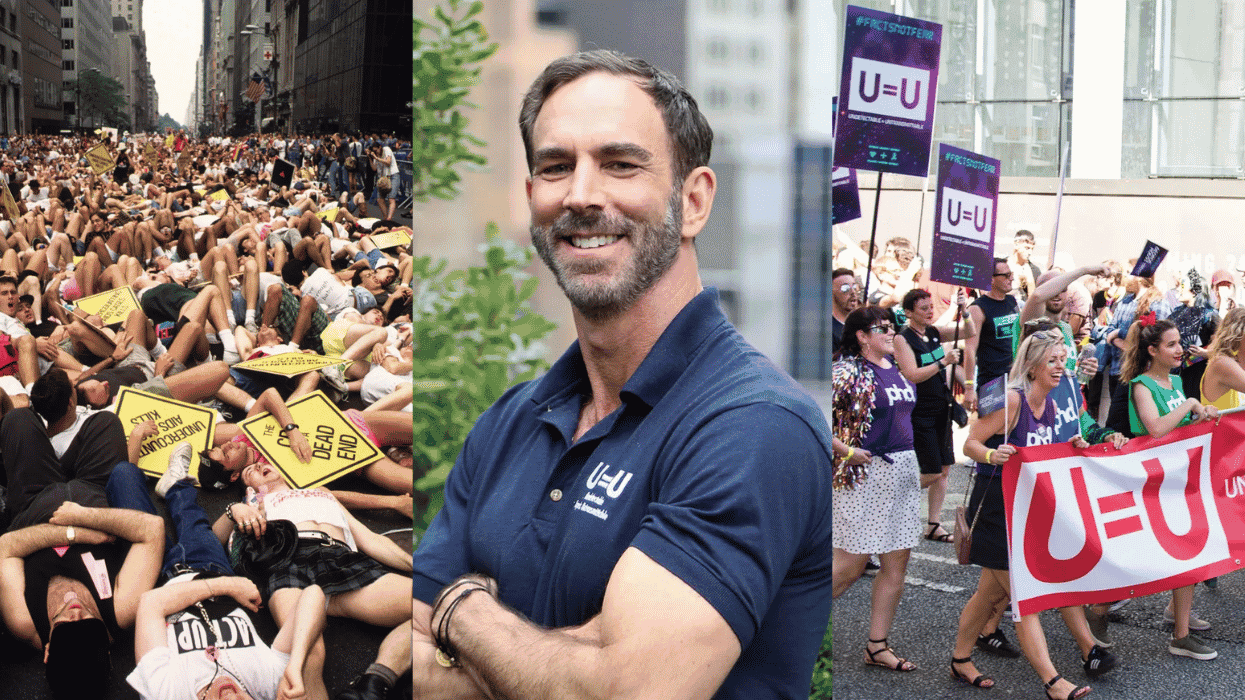
The road to U=U: How science has been liberating HIV+ people for a decade

Newly diagnosed with HIV? Advocates share their best advice for seeking treatment
How to find an HIV-competent healthcare provider, according to advocates
Latest Stories
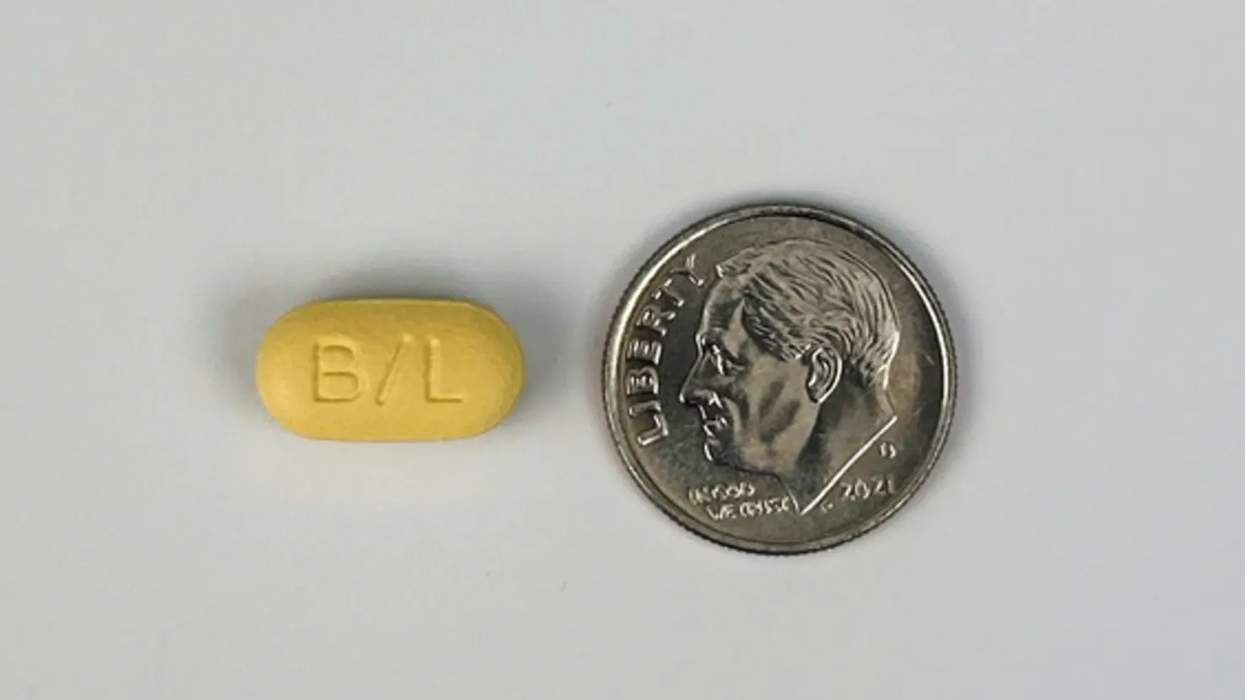
A New Once-Daily Pill to Treat HIV Just Got the FDA’s Green Light

Why affirming faith communities belong in the fight to end HIV

Navigating a new HIV diagnosis? Advocates say community is key

Gay Wine Weekend toasts 15 years of raising funds for HIV


A new HIV diagnosis doesn't have to be nerve-wracking. Advocates share their advice
Zero HIV Stigma Day: The epidemic we still choose to ignore

National HIV Prevention Day: Awareness is my superpower

Federal court clarifies that people with HIV can join the military again

Can a single infusion of immune cells suppress HIV for years?

National HIV advocacy group's CEO rejects claims of crisis


Beyond awareness: How youth leadership is reshaping the HIV response
Saving public health? AIDS United's new CEO has a plan
Struggling with daily HIV meds? Monthly shots may be the answer
Trending stories















Recommended Stories for You