Treatment GuideJust DiagnosedSex & DatingAfrican AmericanStigmaAsk the HIV DocPrEP En EspañolNewsVoicesPrint IssueVideoOut 100
CONTACTCAREER OPPORTUNITIESADVERTISE WITH USPRIVACY POLICYPRIVACY PREFERENCESTERMS OF USELEGAL NOTICE
© 2026 Pride Publishing Inc.
All Rights reserved
All Rights reserved
By continuing to use our site, you agree to our Privacy Policy and Terms of Use.
The reelection of President Barack Obama means the ambitious National HIV/AIDS Strategy, which he released in 2010, will continue to be implemented by him and his Administration. We in the domestic HIV/AIDS community have been pleased that President Obama has placed a priority in reducing the number of infections, increasing access to care and treatment, and reducing health disparities. Since HIV/AIDS issues did not receive attention during the campaign, it is questionable if domestic AIDS would be a priority if the election had gone the other way.
President Obama and his Administration have begun to make progress in decreasing the number of new HIV infections by focusing resources on the areas and communities most impacted by HIV, including gay men of all races and ethnicities, and African-American men and women. It is also gratifying that the Administration will be able to continue its policy of relying on science to inform and guide the policies and programs they pursue. If the election had gone in former Gov. Mitt Romney's favor, ideology might have prevailed over science.
Implementing the Affordable Care Act is perhaps the best way to meet many of the goals of the strategy, particularly increasing access to care and optimizing health outcomes for people with HIV/AIDS. Gov. Romney and almost every Republican campaigned against the health care law. Now that the American people have spoken with their votes, President Obama was reelected, and Democrats retained the majority in the Senate, repeal of the law will be impossible. Republicans, who maintain control of the House of Representatives, know they can’t outright repeal the law but will continue to try to chip away at certain parts, and may have some success in attracting enough votes in the Senate to make some changes.
Many state governors were waiting to see who won on Nov. 6 to decide if they were going to proceed with Medicaid expansion in their state. Now that they know the law will not be repealed, we hope more states will now agree that the Medicaid expansion is a good deal for them. We know it is key for low income people with HIV, who have had difficulty in qualifying without advancing to AIDS.
Some difficult decisions must be made in Washington in the coming weeks. As the President works with the Congress on averting the ‘fiscal cliff,’ we hope they will reach an agreement that will prevent the devastating sequestration cuts to domestic HIV/AIDS programs that total more than $500 million. A balanced solution must be found that will address the federal deficit and does not cut critical programs such as Medicaid and Medicare on which so many people with HIV/AIDS depend. With President Obama in the White House, we are hoping that he will not turn his back on the most vulnerable.
In addition to implementing health reform, ensuring continuation and full funding of the Ryan White HIV/AIDS Program, including the AIDS Drug Assistance Program, will be at the top of The AIDS Institute’s agenda in 2013. Currently, 37% of people with HIV are retained in care and only 25% have a suppressed viral load. With health reform and the Ryan White Program these numbers can be greatly improved. Fortunately, the Ryan White Program has historically enjoyed bi-partisan support. We hope, despite the partisan acrimony seen in Washington and during the campaign season, Republicans and Democrats can again unite to ensure the Ryan White Program continues to meet the substantial unmet needs of people with HIV/AIDS in the US.
With the correct policies, programs and leadership, together with the necessary funding, we can begin to end AIDS in the U.S. The AIDS Institute looks forward to President Obama’s second term, to working with members of the 113th Congress, and continued progress toward attaining that goal.
CARL SCHMID is the deputy executive director of The AIDS Institute in Washington, D.C.


From our Sponsors
Most Popular

Newly diagnosed with HIV? Advocates share their best advice for seeking treatment
April 29 2026 3:32 PM

How to find an HIV-competent healthcare provider, according to advocates
May 19 2026 4:55 PM
Plus: Featured Video
Latest Stories

Navigating a new HIV diagnosis? Advocates say community is key
August 25 2026 3:33 PM

A new HIV diagnosis doesn't have to be nerve-wracking. Advocates share their advice
July 30 2026 12:01 PM

Can a single infusion of immune cells suppress HIV for years?
May 11 2026 11:39 AM


National HIV advocacy group's CEO rejects claims of crisis
April 21 2026 5:14 PM



Beyond awareness: How youth leadership is reshaping the HIV response
April 10 2026 9:12 AM

Saving public health? AIDS United's new CEO has a plan
March 23 2026 9:48 AM
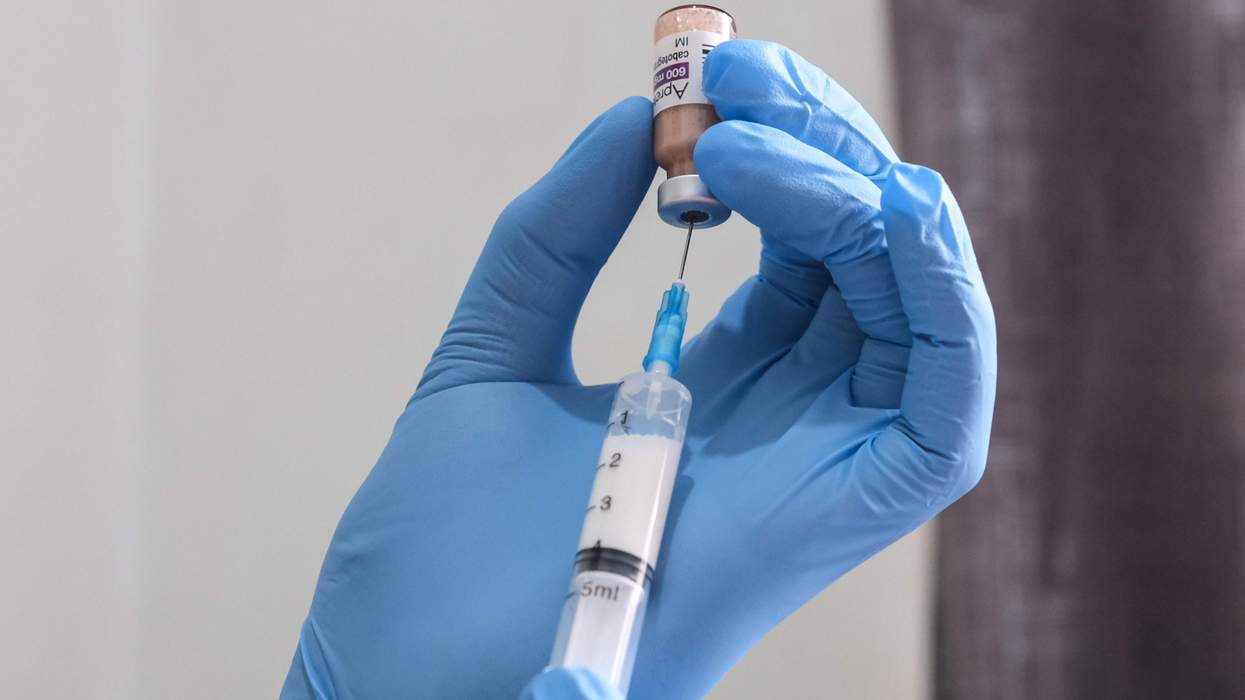
Struggling with daily HIV meds? Monthly shots may be the answer
March 20 2026 7:12 AM

Did you know over half of HIV-positive people in the world are female?
March 09 2026 6:47 PM
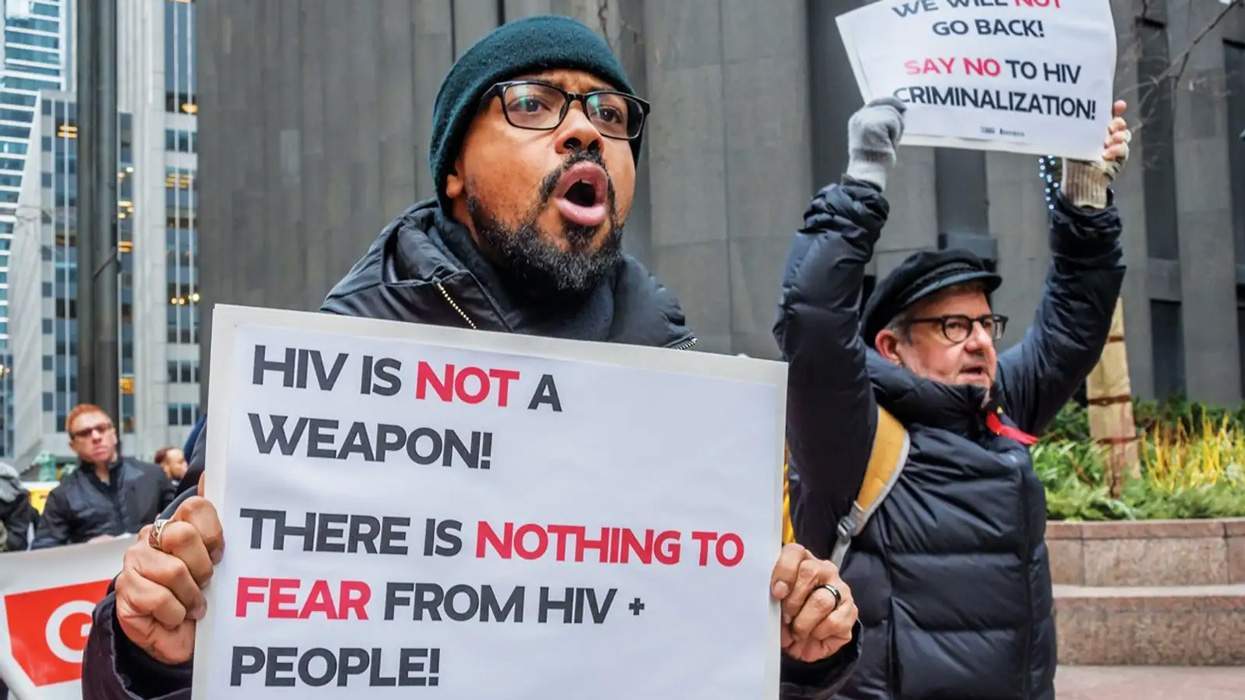
Why are Black people still the most affected by HIV criminalization?
February 27 2026 8:44 PM

What to know about HIV testing and treatment if you’re Black and LGBTQ+
February 24 2026 9:04 AM

6 Black activists who changed the HIV/AIDS response in America
February 09 2026 9:55 AM

National Black HIV/AIDS Awareness Day: a time for action on many fronts
February 07 2026 3:49 PM

Black Americans are disproportionately criminalized for living with HIV. Here's how
February 06 2026 4:26 PM

13 Black community organizations fighting HIV in the U.S. you should know
February 03 2026 10:45 AM

Meet the activist who wants people living with HIV to know they’re still sexy
January 28 2026 10:02 AM

An HIV breakthrough is here. Let's not let it go to waste
January 21 2026 12:40 PM


HIV-positive men stage 'Kiss-In' protest at U.S.-Mexico border
December 01 2025 12:56 PM
Trending stories















Recommended Stories for You