January 08 2010 12:12 PM EST
Treatment GuideJust DiagnosedSex & DatingAfrican AmericanStigmaAsk the HIV DocPrEP En EspañolNewsVoicesPrint IssueVideoOut 100
CONTACTCAREER OPPORTUNITIESADVERTISE WITH USPRIVACY POLICYPRIVACY PREFERENCESTERMS OF USELEGAL NOTICE
© 2026 Pride Publishing Inc.
All Rights reserved
All Rights reserved
By continuing to use our site, you agree to our Privacy Policy and Terms of Use.
Ten years ago drug-resistant HIV affected 1% to 5% of HIV patients worldwide. In sub-Saharan Africa, where few patients had access to antiretrovirals a decade ago, resistance rates have climbed to about 5% in the past few years. Since many physicians and clinics do not track resistance, the proportion could be even higher.
The U.N. estimate of $25 billion needed to fight AIDS in 2010 does not account for treating resistant strains, which could push the sum up to $44 billion. Donors will probably come up with only half of the lower sum, nevertheless.
"For the first two or three years I was not seeing it. It was rare," says Dr. Theresa Rossouw of the Tshwane District Hospital's HIV clinic, which treats 5,000 patients. "Now it is really daily. I think in the next five years, we are going to have such a need."
In Rossouw's black binder is a list of 200 patients failing at least one round of therapy. The early generation AIDS drugs distributed in Africa are very unforgiving of nonadherence, systemic interruptions or incorrect prescription. Some of the drugs can be toxic to certain patients. Only a handful of ARVs are available, and once those fail most patients have no other options.
Some of the worst cases of resistance are seen in the hospital's pediatric unit. Rossouw and colleagues explain that they must rely on others to make sure kids take their medicines. Sometimes, AIDS orphans the children, who then wind up juggled among relatives. Young siblings might have oversight of their care or be responsible for diluting the ARVs to pediatric dosages.
"What if they start spreading that resistance in the community?" asks Rossouw, who blames private practices for some of the resistant cases she sees. Many fail to monitor viral loads or treatment adherence, she said. "They just start them on treatment and hope it's going to solve all of their problems."


From our Sponsors
Most Popular

The road to U=U: How science has been liberating HIV+ people for a decade
July 01 2026 12:05 PM

Newly diagnosed with HIV? Advocates share their best advice for seeking treatment
April 29 2026 3:32 PM

How to find an HIV-competent healthcare provider, according to advocates
May 19 2026 4:55 PM
Plus: Featured Video
Latest Stories
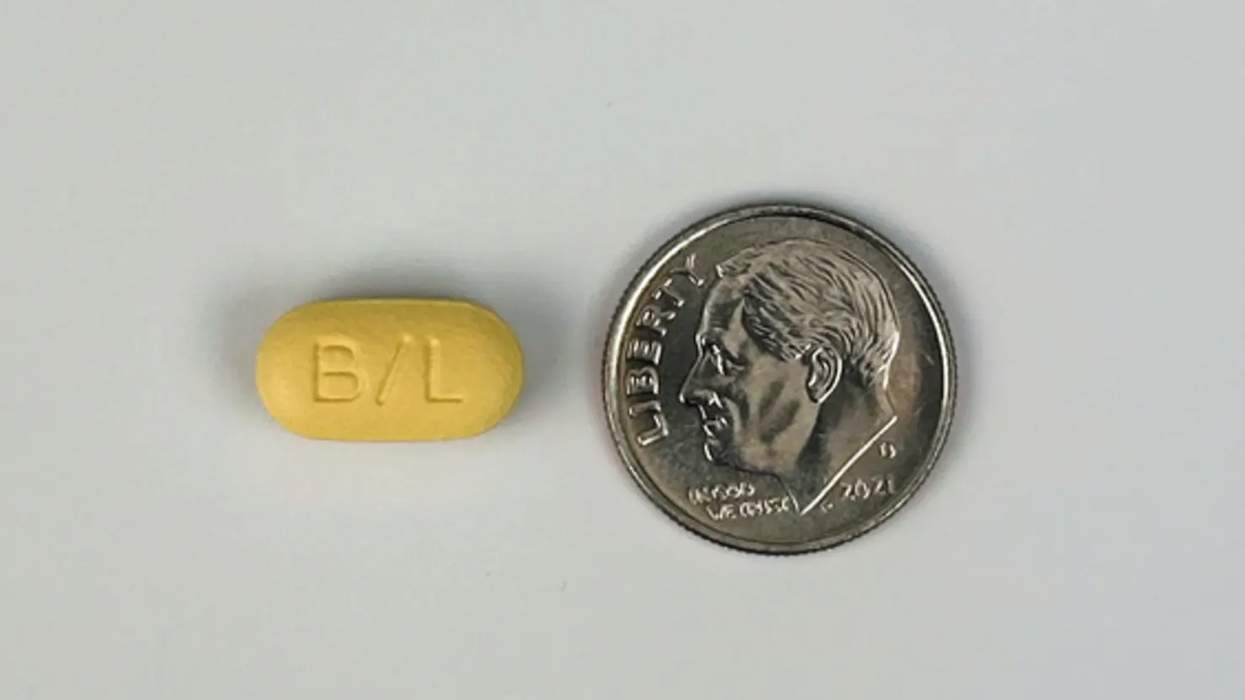
A New Once-Daily Pill to Treat HIV Just Got the FDA’s Green Light
August 31 2026 2:31 PM

Why affirming faith communities belong in the fight to end HIV
August 30 2026 8:00 AM

Navigating a new HIV diagnosis? Advocates say community is key
August 25 2026 3:33 PM

Gay Wine Weekend toasts 15 years of raising funds for HIV
August 25 2026 11:00 AM


A new HIV diagnosis doesn't have to be nerve-wracking. Advocates share their advice
July 30 2026 12:01 PM
Zero HIV Stigma Day: The epidemic we still choose to ignore
July 21 2026 7:00 AM

National HIV Prevention Day: Awareness is my superpower
July 17 2026 8:00 AM

Federal court clarifies that people with HIV can join the military again
June 03 2026 5:36 PM
Can a single infusion of immune cells suppress HIV for years?
May 11 2026 11:39 AM
National HIV advocacy group's CEO rejects claims of crisis
April 21 2026 5:14 PM


Beyond awareness: How youth leadership is reshaping the HIV response
April 10 2026 9:12 AM
Saving public health? AIDS United's new CEO has a plan
March 23 2026 9:48 AM
Struggling with daily HIV meds? Monthly shots may be the answer
March 20 2026 7:12 AM

Trending stories














Recommended Stories for You