Treatment GuideJust DiagnosedSex & DatingAfrican AmericanStigmaAsk the HIV DocPrEP En EspañolNewsVoicesPrint IssueVideoOut 100
CONTACTCAREER OPPORTUNITIESADVERTISE WITH USPRIVACY POLICYPRIVACY PREFERENCESTERMS OF USELEGAL NOTICE
© 2026 Pride Publishing Inc.
All Rights reserved
All Rights reserved
By continuing to use our site, you agree to our Privacy Policy and Terms of Use.
Hepatitis C infection rates have increased in the Appalachia region, and acute hepatitis C is especially high in Kentucky, causing concern among public health officials over how to afford treatment. Between 2013 and 2014, hep C rates among Kentucky Medicaid recipients doubled from 8,000 to 16,000, according to The New York Times, though the newspaper notes that the numbers are likely due to an increase in enrollment through Obamacare.
In Kentucky, particularly in rural parts, there has been a surge of both hepatitis C and opiate abuse, not too dissimilar from the case of southern Indiana where currently 175 people have been diagnosed with HIV, 85 percent of whom were also diagnosed with hepatitis C.
Typically, the most effected age demographic are babyboomers who caught hepatitis C via blood transfusions before 1992. However, young people are the fastest growing group of those affected, and they may not be able to afford treatment.
The Times reported: "Mr. Wayman, a warehouse worker, said his doctor was trying to persuade his insurer to pay for one of the new drugs, which were not yet available the first time he sought treatment. He hope to qualify for the new treatment before December, when he will turn 26 and no longer be covered by his parents' health insurance. It's in my past and I don't want my past to haunt me,' he said. 'I'm just waiting on that phone call.'"
The Times article raises several important and interconnected issues when it comes to hepatitis C and HIV outbreaks in rural areas, highlighing a pattern of poverty, drug use, and limited health care. For example, the Times notes that Kentucky offers HIV testing in all its public health facilities but not hepatitis C, which a patient can have for years before ever showing symptoms of illness.
New drugs that offer better treatment to hepatitis C patients are extremely expensive. One drug costs $84,000 for a 12-week course of treatment, while another costs closer to $100,000; both are made by Gilead Sciences, the pharmaceutical company who makes Truvada and other HIV medications.
These hep C drugs may not be covered by private insurance or provided through state Medicaid to younger people, according to the Times, which reports, "Kentucky is not alone in rationing the drugs. A new study by researchers at Harvard found that about three-quarters of state Medicaid programs allow sofosbuvir, the main ingredient in Sovaldi, to be used only when hepatitis C has caused State 3 or 4 fibrosis. The study pointed out that such restrictions are at odds with the position of medical groups like the Infectious Disease Society of America, which recommend the new treatments for all diagnosed cases.
In addition, the study's authors wrote, "Current restrictions may violate federal Medicaid law, which requires states to cover drugs consistent with their FDA labels."
In addition, heroin treatment programs are more expensive than heroin itself. Regional officials in Indiana, Ohio, West Virginia, and Kentucky have also started tackling the problem from a different angle: they've approved needle exchange programs or plan to start them. Lynne Saddler, head of the Northern Kentucky Health Department hopes to rally support from locals in order to set up the exchanges and combat the spread of hepatitis C. The challenge will be convincing residents who believe needle exchanges encourage drug abuse.
"This is really our window of opportunity," she told the Times. "When you lay that out for people — look, we have a statuatory responsibility to prevent the spread of diseases like this and here is a very effective tool — they start to get it."


From our Sponsors
Most Popular
Plus: Featured Video
Latest Stories

How to find an HIV-competent healthcare provider, according to advocates
May 19 2026 4:55 PM

Can a single infusion of immune cells suppress HIV for years?
May 11 2026 11:39 AM


Newly diagnosed with HIV? Advocates share their best advice for seeking treatment
April 29 2026 3:32 PM

National HIV advocacy group's CEO rejects claims of crisis
April 21 2026 5:14 PM



Beyond awareness: How youth leadership is reshaping the HIV response
April 10 2026 9:12 AM

Saving public health? AIDS United's new CEO has a plan
March 23 2026 9:48 AM
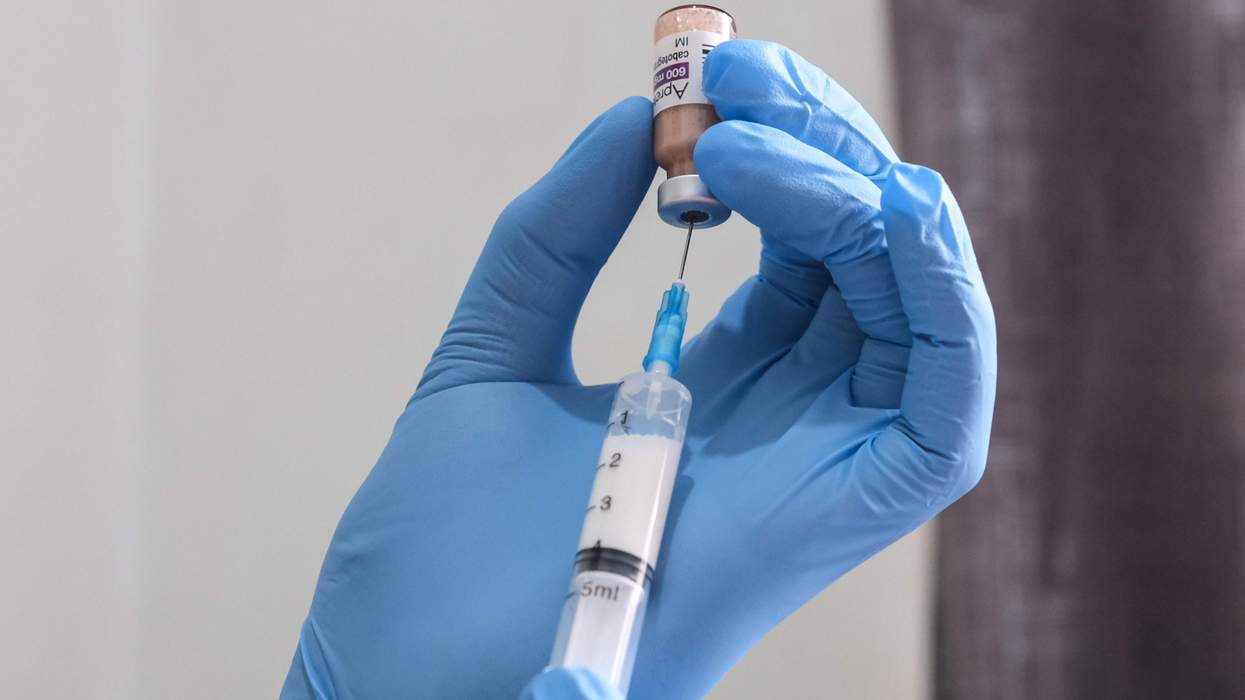
Struggling with daily HIV meds? Monthly shots may be the answer
March 20 2026 7:12 AM

Did you know over half of HIV-positive people in the world are female?
March 09 2026 6:47 PM
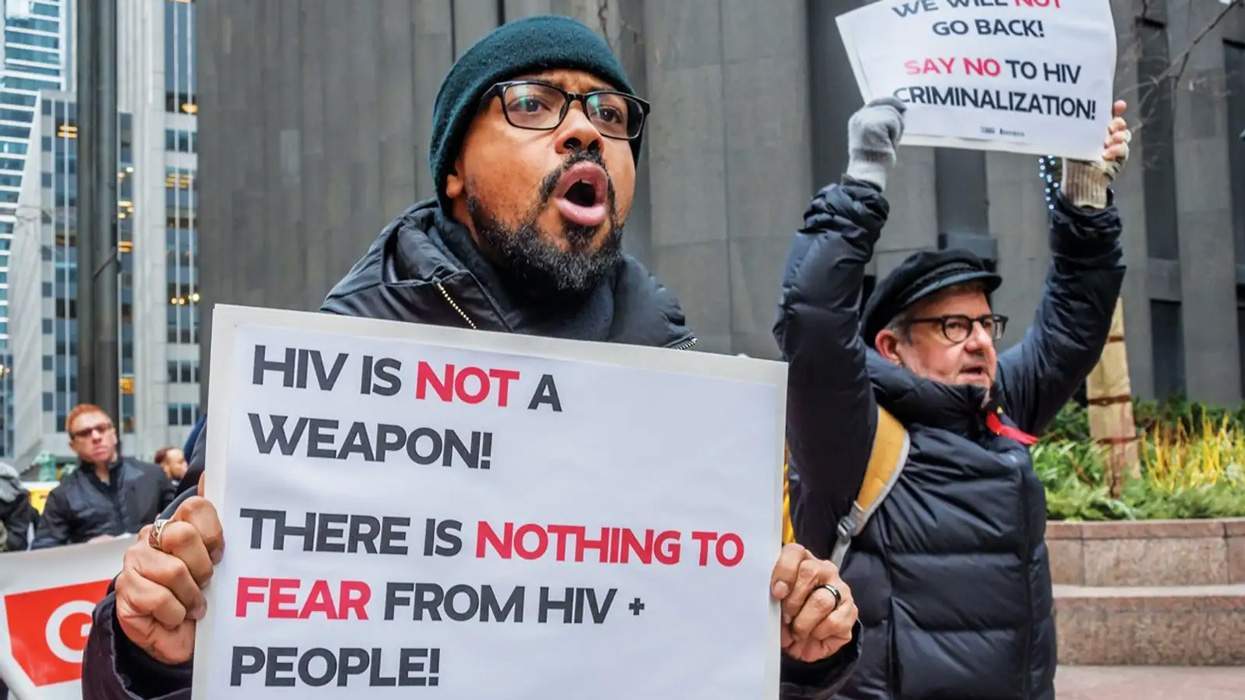
Why are Black people still the most affected by HIV criminalization?
February 27 2026 8:44 PM

What to know about HIV testing and treatment if you’re Black and LGBTQ+
February 24 2026 9:04 AM

6 Black activists who changed the HIV/AIDS response in America
February 09 2026 9:55 AM

National Black HIV/AIDS Awareness Day: a time for action on many fronts
February 07 2026 3:49 PM

Black Americans are disproportionately criminalized for living with HIV. Here's how
February 06 2026 4:26 PM

13 Black community organizations fighting HIV in the U.S. you should know
February 03 2026 10:45 AM

Meet the activist who wants people living with HIV to know they’re still sexy
January 28 2026 10:02 AM

An HIV breakthrough is here. Let's not let it go to waste
January 21 2026 12:40 PM


HIV-positive men stage 'Kiss-In' protest at U.S.-Mexico border
December 01 2025 12:56 PM
Trending stories















Recommended Stories for You