April 23 2010 12:00 AM EST
Treatment GuideJust DiagnosedSex & DatingAfrican AmericanStigmaAsk the HIV DocPrEP En EspañolNewsVoicesPrint IssueVideoOut 100
CONTACTCAREER OPPORTUNITIESADVERTISE WITH USPRIVACY POLICYPRIVACY PREFERENCESTERMS OF USELEGAL NOTICE
© 2026 Pride Publishing Inc.
All Rights reserved
All Rights reserved
By continuing to use our site, you agree to our Privacy Policy and Terms of Use.
Results from the second National Youth Risk Behavior Survey released April 21 raise questions about the efficacy of government programs aimed at reducing risky behaviors among South African youth.
The survey included self-reported behavior of 10,270 students in grades 8 to 11 from 23 schools in each of the nine South African provinces in 2008. It found slightly fewer children were sexually active (38%) than in 2002 (41%). Among those who were sexually active, there was a significant drop in the proportion who reported more than one partner in the previous three months -- 52% in 2008 versus 70% in 2002. However, the proportion who became pregnant or got someone pregnant during that period increased from 16% in 2002 to 19% in 2008. Condom use increased from 29% to 31% between 2002 and 2008, though researchers noted this change was not statistically significant.
"Part of the problem is that while there has been a lot of money put into promoting safer sex, people on the ground have not been trained to keep up with changes in health education," said Professor Priscilla Reddy, head of the Medical Research Council's Health Promotion Research and Development Unit and the study's principal investigator.
Reddy noted that many intervention programs are not based on sound science. More research is needed to understand what drives risky behavior among youths, and this should then be used to develop more effective prevention programs, she said.
The survey also found nearly a third (29%) of students reported binge drinking in the past month, while 15% said they carried weapons and 19% said they had belonged to gangs during the past six months.


From our Sponsors
Most Popular

The road to U=U: How science has been liberating HIV+ people for a decade
July 01 2026 12:05 PM

Newly diagnosed with HIV? Advocates share their best advice for seeking treatment
April 29 2026 3:32 PM

How to find an HIV-competent healthcare provider, according to advocates
May 19 2026 4:55 PM
Plus: Featured Video
Latest Stories
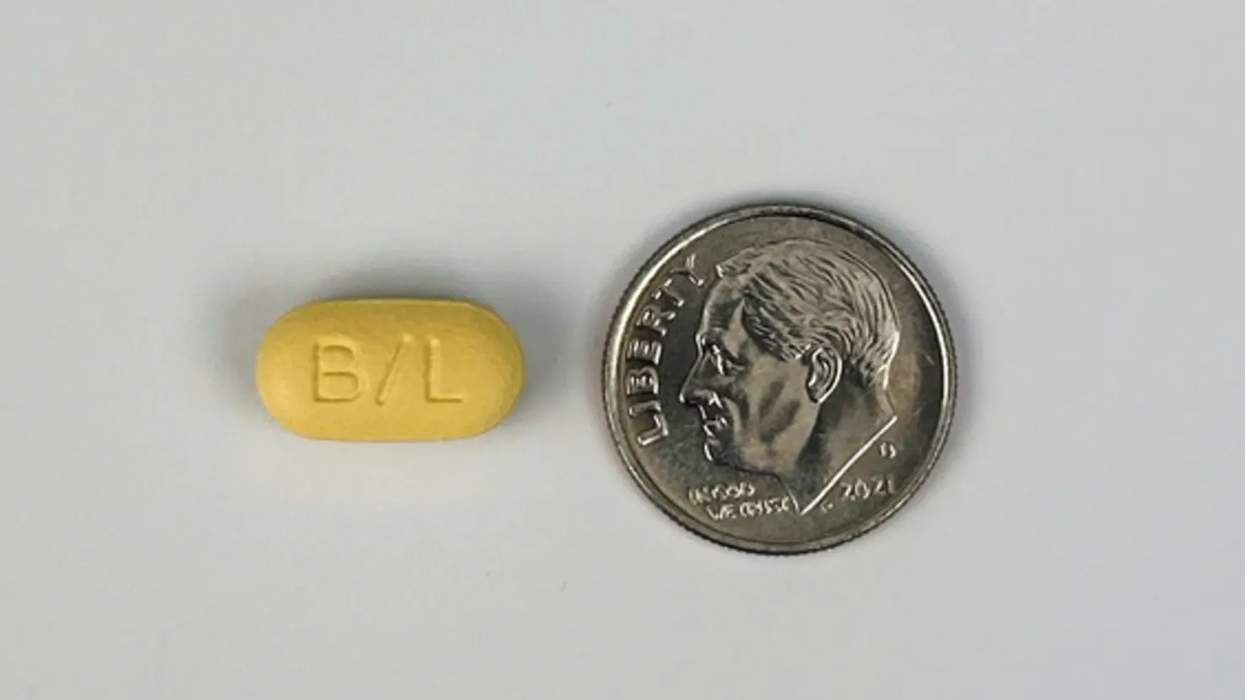
A New Once-Daily Pill to Treat HIV Just Got the FDA’s Green Light
August 31 2026 2:31 PM

Why affirming faith communities belong in the fight to end HIV
August 30 2026 8:00 AM

Navigating a new HIV diagnosis? Advocates say community is key
August 25 2026 3:33 PM

Gay Wine Weekend toasts 15 years of raising funds for HIV
August 25 2026 11:00 AM



A new HIV diagnosis doesn't have to be nerve-wracking. Advocates share their advice
July 30 2026 12:01 PM
Zero HIV Stigma Day: The epidemic we still choose to ignore
July 21 2026 7:00 AM

National HIV Prevention Day: Awareness is my superpower
July 17 2026 8:00 AM

Federal court clarifies that people with HIV can join the military again
June 03 2026 5:36 PM

Can a single infusion of immune cells suppress HIV for years?
May 11 2026 11:39 AM


National HIV advocacy group's CEO rejects claims of crisis
April 21 2026 5:14 PM


Beyond awareness: How youth leadership is reshaping the HIV response
April 10 2026 9:12 AM
Saving public health? AIDS United's new CEO has a plan
March 23 2026 9:48 AM
Struggling with daily HIV meds? Monthly shots may be the answer
March 20 2026 7:12 AM

Trending stories














Recommended Stories for You